/ After Hair Transplant in Turkey

After Hair Transplant in Turkey

Table of Contents

Table of Contents

%100

GUARANTEE

40

COUNTRIES OF PATIENTS

99%

SUCCESS RATE

4.9/5

PATIENT SATISFACTION

4 Dots
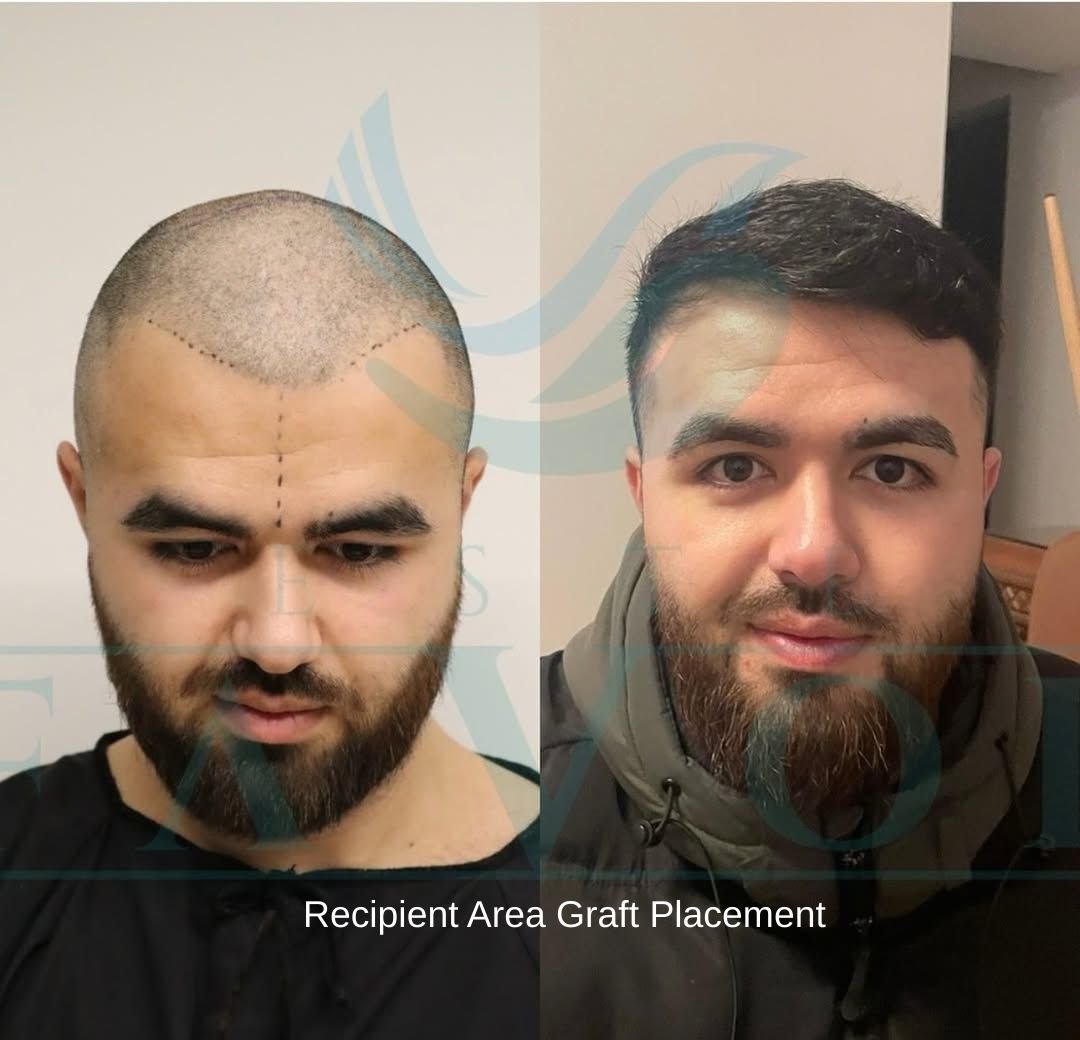
Recipient Area Graft Placement

Quick Overview: Why Hair Transplant Aftercare Matters

Most successful outcomes share one thing in common: consistent and careful hair transplant aftercare during the early recovery period. The first two weeks are especially important because this is when grafts stabilize, scabs form and shed naturally, and the scalp transitions from fragile healing to a cleaner, calmer appearance. Good hair transplant aftercare helps reduce irritation, lowers the risk of complications, and makes the recovery timeline easier to manage. It also prevents the most common mistakes patients mention in post-op hair transplant care, such as rubbing the graft area too early, washing too aggressively, or returning to intense activity before the scalp is ready.

Another reason hair transplant aftercare matters is expectation management. Many patients feel anxious during the early healing stage because the scalp looks red, feels tight, or seems slower to improve than expected. A structured hair transplant aftercare plan helps you understand what is normal in each phase, including temporary shedding such as shock loss after hair transplant, which often appears a few weeks after surgery and can be mistaken for failure when it is actually part of the normal cycle.

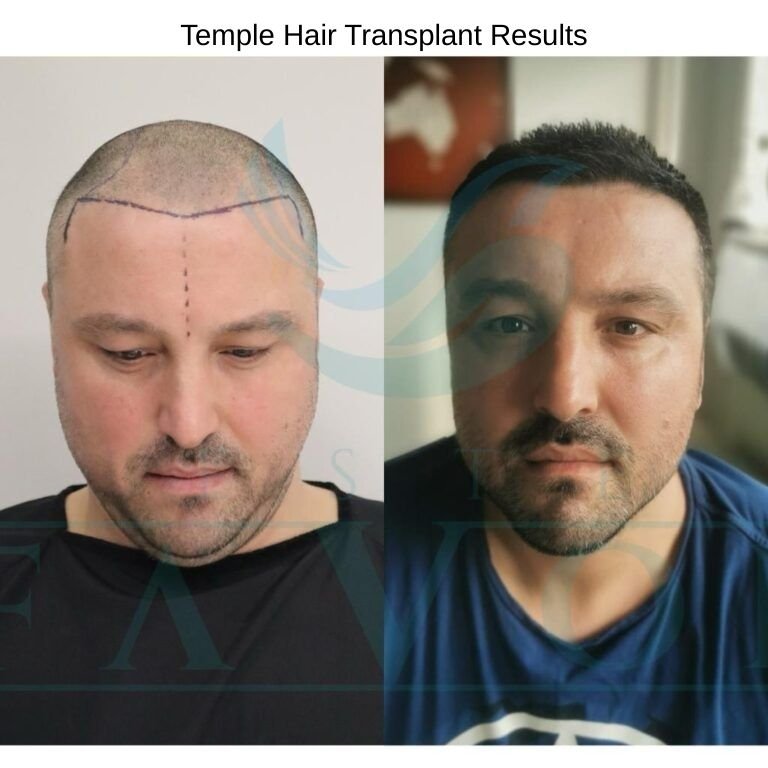
Temple Hair Transplant Results

Key Rules of Hair Transplant Aftercare (Before the Timeline Starts)

Before we break down each stage of the hair transplant recovery timeline, it helps to understand the core principles that guide safe and effective hair transplant aftercare. In the early days, your main goal is to protect the grafts from friction, pressure, and unnecessary contact. Even if the scalp looks fine from the outside, the internal healing process is still active, and this is exactly why hair transplant aftercare requires discipline during the first 7 to 14 days.

The safest hair transplant aftercare routine focuses on gentle handling of the scalp, clean habits, and avoiding anything that increases swelling, sweating, or trauma to the grafted area. If you build good habits early, the rest of your post-op hair transplant care becomes much easier, and you are far less likely to panic when you reach natural milestones like scab shedding or early shedding.

What to Avoid During Hair Transplant Aftercare in the First Days

During the most sensitive phase of hair transplant aftercare, avoid touching, scratching, or rubbing the transplanted area, even if itching appears. Avoid placing direct pressure on the grafts while sleeping, and avoid sudden head movements or bending forward excessively, especially in the first 48 hours. Tight hats, helmets, and anything that causes friction can interfere with hair transplant aftercare, because grafts are still anchoring and need a calm healing environment.

You should also avoid intense physical activity early on. Heavy sweating can irritate healing skin, increase discomfort, and make post-op hair transplant care more difficult to manage. Even if you feel “fine,” it does not mean the scalp is ready for gym workouts, running, or high-heat environments. A careful start is one of the best decisions you can make during hair transplant aftercare.

What to Focus On Instead for Safe Hair Transplant Aftercare

The best approach to hair transplant aftercare is to keep everything clean, stable, and low-impact. Prioritize rest, drink enough water, and focus on minimizing swelling and friction. Sleep with your head elevated, use clean pillowcases, and wear comfortable clothing that won’t accidentally touch the graft area when you change or remove it. Once washing begins, follow a gentle routine exactly as instructed, because washing is one of the most important steps in successful hair transplant aftercare and supports the overall hair transplant healing process.

Most importantly, remember that hair transplant aftercare is a timeline, not a single day. The scalp changes quickly during the first two weeks, then slowly transitions into visible growth over the next months. When you follow a clear post-op hair transplant care plan from the beginning, you protect your grafts in the fragile phase and set the foundation for stronger results throughout the entire hair transplant recovery timeline.

Day 0–2: Immediate Hair Transplant Aftercare (First 48 Hours)

The first 48 hours are the most delicate stage of hair transplant aftercare because the grafts are freshly implanted and not yet fully secured beneath the skin. During this period, even small mistakes—like rubbing the scalp, sleeping in the wrong position, or creating friction against the recipient area—can negatively affect graft stability. For that reason, your Day 0–2 routine should be simple and protective. The goal of hair transplant aftercare at this stage is not to “speed up recovery,” but to keep the grafts safe, keep the scalp clean, and reduce swelling while the healing process begins.

What to Expect During Day 0–2

Most patients experience mild tenderness and a tight sensation across the scalp right after surgery. In many cases, redness is visible in both the donor and recipient zones, and swelling can begin around Day 1 and peak around Day 2 or Day 3. Some people also notice minor fluid leakage, pinpoint bleeding, or a slightly itchy feeling as the skin starts to heal. These symptoms are common and usually temporary, but they make careful hair transplant aftercare especially important in the first two days.

Because sleep can feel uncomfortable at this point, many patients worry they will accidentally damage grafts overnight. This concern is valid, and it’s exactly why safe sleeping habits are one of the most important parts of hair transplant aftercare during the first 48 hours.

Hair Transplant Aftercare Tips for Day 0–2

The most important rule in hair transplant aftercare during this phase is to avoid touching the graft area. Even light scratching, tapping, or checking the grafts repeatedly can create unnecessary trauma. If you feel itching, resist the urge to scratch and focus on keeping the area protected and clean.

Movement matters as well. Bending forward suddenly, straining, or making abrupt head movements can increase pressure in the scalp. A calm routine supports more stable healing and reduces swelling, which improves comfort and supports a smoother hair transplant recovery timeline overall.

Sleeping Position: The Most Important Detail in Early Hair Transplant Aftercare

Sleep is often the hardest part of Day 0–2. A safe sleeping position is a key pillar of hair transplant aftercare, because the recipient area must stay protected from friction and pressure while grafts are still settling. You should sleep with your head elevated—around a 45-degree angle is commonly recommended—to help reduce swelling and prevent fluid from accumulating in the forehead area.

Many patients find that a travel or neck pillow makes hair transplant aftercare easier at night, because it stabilizes the head and reduces the risk of rolling onto the transplanted zone while sleeping. Clean bedding is also important. Use a fresh pillowcase and avoid anything that may press against the grafts.

Cold Compress for Swelling (Safe Use)

Swelling can be uncomfortable during Day 1–2, but it should be managed carefully. If a cold compress is recommended, it should be applied only to the forehead area—not directly on the grafts—to avoid disturbing the transplanted follicles. This small detail is often overlooked, but it is an important part of safe hair transplant aftercare in the first two days.

Washing During Day 0–2: What Not to Do Yet

During the first 48 hours, hair transplant aftercare does not include washing the transplanted area unless your clinic specifically instructs otherwise. Grafts are still in the earliest anchoring stage, and the safest approach is to avoid any rubbing, pressure, or water flow on the recipient zone. Focus on rest, protection, and proper sleep posture. When washing begins in the next stage of the hair transplant recovery timeline, it should be done gently and step-by-step to support healing without disturbing the grafts.

Estefavor Hair Transplant Clinic Logo Amblem

Apply now for a
Free Hair Analysis

Verified patient transformations - 12-month results

What Our Patients Say

Verified reviews from real patients

Google'da yayınlandı Google
Farhan Allawala profile picture
Farhan Allawala
Google star 1Google star 2Google star 3Google star 4Google star 5Trustindex, incelemenin orijinal kaynağının Google olduğunu doğrular.
It has been a decent experience so far. The staff was very accommodating. I had second thoughts about the transplant until the last minute, but everything was handled well by the friendly team. The only area that could be improved is the hotel accommodation they provide.
Google'da yayınlandı Google
Erdi Durmaz profile picture
Erdi Durmaz
Google star 1Google star 2Google star 3Google star 4Google star 5Trustindex, incelemenin orijinal kaynağının Google olduğunu doğrular.
Saç ekim yapmayı düşünen ve kararsız kalan varsa doğru adres kesinlikle este Favor sürecin en başından en sonuna kadar ilgileniyorlar özellikle Neva hanım benim çok ilgilendi Ekim günü geldiğinde kliniğin kapısında Neva hanım ve zeycan hanım beni güler güzlü ve samimi şekilde karşıladı kliniğe girdiğimde ne kadar kaliteli ve temiz bir yere geldiğimi anladım bütün personel benimle samimi şekilde ilgilendi Ekim başladığında biraz heyecan olsa da ağrısız ve acısız bir şekilde ekimim tamamlandı bütün personele çok teşekkür ediyorum kesinlikle saç ekimi düşünen herkese tavsiye ediyorum
Google'da yayınlandı Google
Enea Keçi profile picture
Enea Keçi
Google star 1Google star 2Google star 3Google star 4Google star 5Trustindex, incelemenin orijinal kaynağının Google olduğunu doğrular.
Fantastic clinic, with excellent and professional service. I came in with arranged transportation, continuos check-up, professional and precise staff, and an excellent and impeccable procedure! My hair transplant procedure couldnt have gone better! The doctors were communicative and very professional! 10/10 experience!
Google'da yayınlandı Google
Rob Hutchins profile picture
Rob Hutchins
Google star 1Google star 2Google star 3Google star 4Google star 5Trustindex, incelemenin orijinal kaynağının Google olduğunu doğrular.
5 star experience from start to finish. Very well looked after and fully informed throughout. Made to feel very comfortable by the staff.
Google'da yayınlandı Google
Batuhan Sağdıç profile picture
Batuhan Sağdıç
Google star 1Google star 2Google star 3Google star 4Google star 5Trustindex, incelemenin orijinal kaynağının Google olduğunu doğrular.
Her şey için çok teşekkür ederim. Neva Hanım ve Zeycan Hanım’a süreç boyunca gösterdikleri ilgi ve sabır için ayrıca minnettarım. İşlem sırasında ve sonrasında çok açıklayıcı ve rahatlatıcıydılar. Umarım güzel sonuçlar alacağım. Emeği geçen herkese teşekkürler.
Google'da yayınlandı Google
Matthew Gent profile picture
Matthew Gent
Google star 1Google star 2Google star 3Google star 4Google star 5Trustindex, incelemenin orijinal kaynağının Google olduğunu doğrular.
I flew in from the the United States as I was traveling from Tennessee and like many people, I was understandably uncertain about traveling to a foreign country for a hair transplant procedure. However, from the moment we arrived at the Istanbul airport, every concern quickly disappeared. We were promptly greeted by a driver and comfortably transported to our hotel, and everything that was promised was delivered exactly as described. The next morning, we arrived at the clinic and the procedure began smoothly. After about two and a half hours, we were given a short break for lunch, followed by approximately three more hours to complete the procedure. Transportation back to the hotel was provided, making the entire process seamless and stress-free. While there, we also had a teeth whitening procedure done, which was quick, painless, and very well handled. On the third day, we returned for our head wash and follow-up appointment, and once again the level of care and professionalism was outstanding. Overall, the company exceeded my expectations and truly delivered on every promise. I would rate this entire experience a 10/10 and highly recommend them to anyone considering a hair transplant abroad.
Google'da yayınlandı Google
ANDREI TUMACHEV profile picture
ANDREI TUMACHEV
Google star 1Google star 2Google star 3Google star 4Google star 5Trustindex, incelemenin orijinal kaynağının Google olduğunu doğrular.
Самая лучшая клиника по пересадке волос. Всем рекомендую, сервис на высшем уровне, врачи супер. Организуют полностью весь процесс, встреча, размещение, операция, трансфер в аэропорт
Google'da yayınlandı Google
Seyhan Işık profile picture
Seyhan Işık
Google star 1Google star 2Google star 3Google star 4Google star 5Trustindex, incelemenin orijinal kaynağının Google olduğunu doğrular.
Birkaç ay sonra saç ektirmeyi düşünüyorum bir kaç firma araştırmak istedim ve zeyşan ve neva hanım hakkında o kadar güzel yorumlar duydumki ve este favor saç ekim merkezine karar verdim inş en kısa zamanda bende böyle güzel yorumlar yazmak isterim saçlarım mükemmel oldu diye
Google'da yayınlandı Google
Bedir Fırıncı profile picture
Bedir Fırıncı
Google star 1Google star 2Google star 3Google star 4Google star 5Trustindex, incelemenin orijinal kaynağının Google olduğunu doğrular.
Saç ekimi için Este Favor’u gördüyseniz çok araştırıp kafanızı bulandırmadan direkt buraya gelin. Ben dahil 4 arkadaşım buraya ektirdik. Hepimiz çok memnunuz. Ekim öncesi ve sonrası üzerinden zaman geçse bile ilgili alaka hep aynı. Tüm ekibe tekrardan teşekkür ederim.
Google'da yayınlandı Google
Gina Orozco profile picture
Gina Orozco
Google star 1Google star 2Google star 3Google star 4Google star 5Trustindex, incelemenin orijinal kaynağının Google olduğunu doğrular.
Very kind and professional staff. There’s an english translator included, who makes things smoother in case of questions or doubts. As a woman, you have to note that they cannot extend your hairline past the muscle area, just where there was already hair and very close to it. Still I hope to notice the changes. I just got the op done two days ago and I’m excited about the results. Blessings to everyone ✨

Frequently Asked Questions

Hair Transplant Aftercare: Frequently Asked Questions (FAQ)

  • When can I start washing my hair after a hair transplant?

    Most clinics recommend the first wash around Day 3, using a very gentle method. The key in hair transplant aftercare is to avoid rubbing or scratching the graft area during the first wash.

Free Hair Analysis Form

Let us create a personalized hair transplant plan for you

form line

Free Hair Analysis Form

Please fill in the information below for a detailed analysis

WhatsApp Image 2026 02 08 at 12.05.26

Day 3–7: First Wash and Scab Management in Hair Transplant Aftercare

Day 3 to Day 7 is the stage where hair transplant aftercare becomes more active. By this point, swelling and tenderness often begin to settle, but the grafts are still in a sensitive phase and need gentle handling. This is usually when most patients begin their first wash, and it’s also when scabs start forming more visibly. Proper washing and careful scab management are two of the most important elements of hair transplant aftercare in the first week, because they support a cleaner healing environment while protecting the grafts as they stabilize.

During this part of the hair transplant recovery timeline, many patients worry that washing will dislodge grafts. That concern is normal, but the right technique makes washing safe. In fact, gentle washing is a key part of post-op hair transplant care, because it helps soften dried fluids, keeps the scalp clean, and supports smoother healing as the days progress.

Hair Washing After Hair Transplant: How to Do the First Wash Safely

Most clinics recommend starting hair washing after hair transplant around Day 3, although the exact timing may vary slightly depending on your case. The most important rule of hair transplant aftercare here is simple: wash gently and never rub the transplanted area. Instead of using pressure, the washing routine should focus on soft contact and controlled rinsing.

A common approach during hair transplant aftercare is using lukewarm water and a gentle shampoo, applied in a way that avoids friction. Many patients use a pouring method so water flows over the scalp without strong pressure. Rinsing should also be done gently, and drying should be handled with extreme care. Rather than rubbing with a towel, it’s safer to lightly pat the area dry using a soft material, allowing the grafts to remain undisturbed.

Consistency matters more than intensity. The goal of hair transplant aftercare during Day 3–7 is not to scrub the scalp clean, but to keep it calm, hygienic, and protected while scabs form and naturally begin to loosen.

Scab Formation: What’s Normal During the First Week

Scabs are a normal part of the hair transplant healing process, and nearly every patient will notice them during this stage of hair transplant aftercare. They develop as the scalp heals and should be treated as a protective layer rather than a problem. While scabs can look concerning, they are expected—and they are not a sign that something is wrong.

What matters during hair transplant aftercare is avoiding the instinct to pick or scratch. Picking scabs can cause localized trauma, increase irritation, and in some cases affect how evenly the area heals. The safest approach is to let scabs loosen naturally through daily washing and normal healing.

Scab Management in Hair Transplant Aftercare: What to Do (and Not to Do)

The most important rule of scab management during hair transplant aftercare is to never force removal. Even if scabs feel itchy or look ready to come off, manual removal can disrupt the graft area. In most cases, scabs begin falling off naturally between Day 7 and Day 10 as long as washing is done correctly and consistently.

Some patients find that keeping the scalp hydrated helps soften scabs so they loosen more comfortably over time. Hydration during hair transplant aftercare should always be gentle and non-irritating, supporting comfort without introducing friction or pressure. The key is patience: Day 3–7 is still early, and the safest results come from allowing the scalp to follow its natural healing rhythm.

What You Should Avoid in Day 3–7 Hair Transplant Aftercare

Even though discomfort often decreases during the first week, this is not the time to return to normal routines too quickly. Strong water pressure, aggressive shampooing, rubbing with towels, and any scratching can interfere with hair transplant aftercare progress. Tight hats, helmets, or anything that presses on the grafts should still be avoided. The grafts may look stable, but they continue anchoring under the skin, and Day 3–7 is still a fragile part of the hair transplant recovery timeline.

By the end of the first week, many patients notice that the scalp looks cleaner, irritation reduces, and the transplanted area begins to feel more settled. When washing is done properly and scab management is patient and gentle, hair transplant aftercare during this stage sets up a smoother transition into Week 2—when daily life starts to feel more normal, but caution is still necessary.

WhatsApp Image 2026 02 08 at 12.05.27 (1)

Week 2 to Month 12: Hair Transplant Aftercare, Healing Milestones, and What to Expect

From Week 2 onward, the most fragile stage of hair transplant aftercare is usually behind you, but recovery is not finished. Many patients feel “back to normal” once scabs clear and discomfort fades, yet the grafts and scalp continue healing beneath the surface for weeks. This is why long-term hair transplant aftercare is still important—even when the transplanted area looks calm on the outside. The goal in this phase is to protect the healing scalp, avoid setbacks, and follow a realistic timeline so you don’t panic during normal stages like temporary shedding or slow early regrowth.

Week 2–4: Returning to Daily Life Without Rushing Recovery

By Week 2, most visible scabs are gone, and redness is usually reduced. At this stage of hair transplant aftercare, many patients can return to desk work and normal daily routines, especially if their job doesn’t involve physical effort, heat exposure, or heavy sweating. Even though the scalp looks cleaner, it’s still important to avoid unnecessary trauma. Strong rubbing during washing, aggressive scratching, or tight headwear can still irritate the area, so gentle handling remains part of smart post-op hair transplant care.

Exercise is one of the most common questions in this period. While light walking and low-impact movement are usually fine, intense training can still be risky. Heavy lifting, cardio that causes strong sweating, and activities that raise scalp temperature should generally be avoided until the scalp is truly stable. A cautious approach during hair transplant aftercare in Week 2–4 helps prevent irritation and reduces the chance of complications linked to sweat and friction.

Sun exposure also becomes more relevant here because many people feel comfortable going outside again. However, direct sunlight can irritate healing skin and increase sensitivity, especially if redness is still present. During this part of hair transplant aftercare, it’s best to avoid prolonged direct sun exposure and prioritize shade whenever possible. If you need to cover your head, make sure the protection is loose and breathable, with no rubbing against the grafted area.

Week 4–8: Shock Loss and the “It Looks Worse Before It Looks Better” Phase

One of the most misunderstood stages in hair transplant aftercare happens between Week 4 and Week 8, when many patients experience shock loss after hair transplant. Shock loss is temporary shedding that can affect transplanted hairs and sometimes even nearby native hair. Seeing hair fall out after surgery can be stressful, but this phase is usually part of the normal cycle and not a sign of failure.

The best way to handle this stage is consistency and patience. Hair transplant aftercare here is mainly about continuing gentle washing, avoiding scalp irritation, and staying calm while the follicles transition into the next growth stage. Trying to “force results” with aggressive routines is one of the biggest mistakes people make during this period. A steady, protective routine is far more effective than overdoing it.

Month 2–3: Early Growth Begins (But Results Still Look Uneven)

By Month 2 to Month 3, many patients begin to notice the earliest signs of new growth. During this stage of hair transplant aftercare, hair may appear thin, soft, and uneven. This is normal because follicles don’t grow in perfect synchronization. Some areas may show early density while others still look quiet, which can make patients worry that the transplant is not working. In reality, uneven early growth is a common part of the hair transplant recovery timeline.

This is also a period where gentle scalp habits matter. While the grafts are now more secure, the scalp may still be sensitive, and excessive friction can cause irritation. Good post-op hair transplant care at this stage means keeping routines simple, consistent, and non-aggressive, while allowing biology to do its job.

Month 4–6: Visible Improvement and Stronger Hair Texture

Between Month 4 and Month 6, most patients see clearer progress. Hair becomes more noticeable, density begins to build, and the transplanted area often looks more natural in everyday lighting. This is a rewarding stage of hair transplant aftercare, because the recovery process starts turning into visible results. However, growth can still be inconsistent across zones, and hair texture may feel different at first. Some patients notice that new hair starts slightly wiry, thin, or irregular, then gradually becomes stronger over the following months.

During Month 4–6, long-term hair transplant aftercare still includes basic protection habits. Avoid harsh scalp treatment, manage sun exposure carefully, and keep washing routines healthy and consistent. Many patients also benefit from tracking progress with monthly photos, because day-to-day changes are subtle but month-to-month improvements can be significant.

Month 6–12: Maturation, Density Build-Up, and Final Results

From Month 6 to Month 12, the focus of hair transplant aftercare shifts from healing to maturation. Hair continues thickening, density improves, and the final shape of the result becomes clearer. This is when many patients feel the most confident about their transformation, especially as hair begins to blend naturally with surrounding areas. While some people see strong results earlier, it’s important to remember that full outcomes often take time. Final density and natural texture typically continue improving until Month 12, and in some cases, even beyond.

The best mindset during this stage of hair transplant aftercare is patience combined with consistency. Your routine doesn’t need to be strict forever, but maintaining gentle scalp care, avoiding unnecessary trauma, and keeping realistic expectations will help you get the best long-term outcome. When you understand the full hair transplant recovery timeline, you’re far less likely to panic during early shedding or slow initial growth—and much more likely to stay confident while your result develops month by month.

bottom two line

Why Choose EsteFavor in Hair Transplant Turkey?

Discover the advantages that set us apart

Licensed Medical Provider in Turkey

Operating in accordance with medical regulations.

Global Press Recognition

Featured in Reuters, USA Today, Independent

8 Branded Technologies™

Exclusive proprietary medical technologies

Natural Hairline Philosophy™

Golden ratio + micro-irregularity

VIP Medical 
Tourism

Airport pickup, luxury hotels, Translator in 20 languages

AI + Algorithm

Smart density calculation

Medical Sterility

Live view of sterilization protocols

Guarantee

Complimentary revision if needed

form line

Free Hair Analysis Form

Please fill in the information below for a detailed analysis