
Hair loss is one of the most common concerns for both men and women, but for women in particular, hormonal imbalances often play a central role. In recent years, spironolactone hair loss treatment has gained attention—not only because spironolactone is widely prescribed for high blood pressure and acne, but also because it is increasingly used off-label as a solution for female pattern hair loss.

Yet, many people are left wondering: Can spironolactone actually cause hair loss instead of preventing it? This question has sparked confusion, especially among patients who notice shedding when they first start the medication.
In this article, we’ll explore everything you need to know about spironolactone hair loss—from how the drug works, why shedding occurs, what to expect during treatment, and the best complementary therapies to protect and regrow your hair.
Understanding Spironolactone: More Than Just a Blood Pressure Medication
Before diving into its connection with hair, it’s important to understand what spironolactone is and how it functions in the body.
- Drug class: Spironolactone is a potassium-sparing diuretic. It helps the body remove excess salt and water without losing potassium.
- Primary uses: Traditionally prescribed for high blood pressure, heart failure, and fluid retention.
- Off-label uses: Increasingly prescribed for hormonal acne, polycystic ovary syndrome (PCOS), and androgen-related hair disorders.
- Anti-androgen properties: The medication blocks the effects of male hormones (androgens) like dihydrotestosterone (DHT), which are strongly linked to hair thinning in women.
This unique dual role—both as a diuretic and as an anti-androgen—helps explain why spironolactone can influence hair health in multiple ways, sometimes positive and sometimes negative. On one hand, its ability to block androgen activity, particularly the effects of dihydrotestosterone (DHT), can slow down the miniaturization of hair follicles and encourage thicker, stronger strands to grow.
On the other hand, because the body needs time to adapt to these hormonal changes, many patients experience a temporary increase in hair shedding when they first start the medication. This shedding is not usually a sign of damage, but rather part of the natural cycle in which older, weaker hairs are replaced with new, healthier ones. In other words, spironolactone’s dual mechanism creates a transitional phase where shedding may occur before the long-term benefits of reduced thinning and improved hair density become visible.
Can Spironolactone Cause Hair Loss? The Shedding Myth Explained
One of the most frequently asked questions is whether spironolactone itself causes hair loss. The short answer: spironolactone does not cause permanent hair loss. However, it can trigger a temporary shedding phase in the early months of treatment.
Here’s why:
- Adjustment period: When the body begins adjusting to lower androgen activity, hair follicles undergo a “reset.” Old, weaker hairs fall out, making way for stronger growth.
- Shedding duration: This usually lasts 2–4 months before stabilizing.
- Not true baldness: Unlike male pattern baldness, this shedding is not permanent—it’s a sign that the treatment is starting to work.
Think of it as cleaning out a garden: old, unhealthy plants are removed so healthier ones can thrive. For readers comparing options, this section clarifies what spironolactone hair loss really means: usually a temporary shedding phase, not permanent thinning.
The Science Behind Spironolactone and Hair Growth
Understanding the biology behind spironolactone hair loss helps set realistic timelines and expectations. To understand why spironolactone is prescribed for female pattern hair loss, it’s essential to explore how the medication interacts with the natural hair growth cycle. Every hair follicle goes through phases of growth (anagen), rest (telogen), and shedding (catagen). Hormonal imbalances—particularly elevated levels of androgens like dihydrotestosterone (DHT)—can disrupt this cycle by shortening the growth phase and causing follicles to shrink over time.
This process leads to thinner, weaker hair that sheds more easily. Spironolactone helps counteract this effect by blocking androgen receptors and reducing DHT activity in the scalp, which allows follicles to remain in the growth phase longer. As a result, many women experience less shedding, stronger strands, and improved overall hair density with consistent use.
- DHT reduction: Spironolactone lowers dihydrotestosterone, the hormone responsible for shrinking hair follicles.
- Androgen receptor blockade: Prevents hormones from binding to hair follicle receptors, slowing down thinning.
- Follicle preservation: By reducing miniaturization, hair strands remain thicker and grow longer.
- Stimulation of regrowth: Over time, many women report not just a stop in shedding, but visible regrowth.
Research suggests that up to 75% of women with androgenetic alopecia see improvement in hair density after consistent use of spironolactone for 12 months.
Shedding vs. True Hair Loss: How to Tell the Difference
When starting spironolactone, it’s normal to feel anxious if you notice more hair in your brush or shower drain. This phenomenon, often referred to as spironolactone shedding, can be alarming at first glance. However, it’s important to remember that this stage is usually part of the body’s natural adjustment to hormonal changes. Shedding in the early months doesn’t necessarily mean the medication is harming your hair—in fact, it can be a sign that your follicles are transitioning into a healthier growth cycle.
That said, not all hair loss is created equal. While temporary shedding is expected during the adjustment phase, progressive or ongoing hair loss may indicate an underlying problem. Conditions like thyroid disorders, iron deficiency, or genetic female pattern hair loss can overlap with spironolactone use, making it harder to determine the exact cause. Recognizing the differences between short-term shedding and true long-term hair thinning can help you take the right steps toward protecting your hair health.
Signs of Temporary Shedding
- Begins within 6–12 weeks of starting the drug
- Peaks around the 3-month mark
- Gradually improves by month 6
- New baby hairs become visible along the hairline and part line
Signs of Ongoing Hair Loss
- Shedding persists beyond 6–8 months
- Noticeable widening of the part line or thinning at the crown
- Family history of aggressive hair loss
- Accompanied by other health issues (thyroid imbalance, nutritional deficiencies, etc.)
If your shedding continues longer than expected, it’s essential not to dismiss it as “just a phase.” A professional evaluation by a dermatologist or trichologist can help determine whether spironolactone remains the right treatment for you or if additional therapies are needed. Early diagnosis of underlying issues can make a significant difference in slowing hair loss and restoring confidence in your hair’s appearance.
What Happens When You Stop Taking Spironolactone?
For many women, spironolactone becomes a trusted ally in managing hair thinning and hormonal imbalances. But what happens if you stop taking it—either because your doctor recommends tapering off, or you decide the side effects aren’t worth it? This is a common concern, and it’s important to understand that while spironolactone can successfully control hormone-driven hair loss, it does not cure the underlying condition. Once the medication is removed, your body’s natural hormone activity resumes, which can trigger changes in your hair cycle.

The effects of discontinuation can vary from person to person, but here are the most common outcomes:
Androgen rebound
Without spironolactone suppressing androgen activity, DHT levels rise again. This often restarts the miniaturization of follicles, leading to renewed thinning.
Withdrawal shedding
Some women experience a period of increased hair shedding for several months after stopping the drug. This is usually temporary as the body recalibrates.
Return of underlying conditions
If hair loss was linked to PCOS, menopause, or genetic androgenetic alopecia, those issues may resurface, causing a gradual return of symptoms.
Because of these factors, spironolactone is generally considered a long-term management therapy for hormonal hair loss—similar to how patients with high blood pressure often need ongoing treatment to keep their condition under control. For women with chronic androgen-related hair thinning, discontinuing the medication without an alternative plan can mean losing much of the progress that’s been made.
Managing Spironolactone Hair Shedding: Practical Tips
Experiencing extra hair shedding after starting spironolactone can feel unsettling, but it’s a well-documented part of the adjustment phase for many women. The key is to remember that this shedding is usually temporary and does not signal permanent hair loss. Instead, it often reflects the follicles resetting in response to hormonal changes. While the process can be frustrating, there are several simple yet effective ways to support your hair during this period and set the stage for long-term regrowth. These habits cushion the spironolactone hair loss adjustment so you can preserve density.
Here are some strategies to help you manage spironolactone-related shedding:
- Stay consistent – Abruptly stopping the medication may worsen shedding. Stick with your doctor’s guidance.
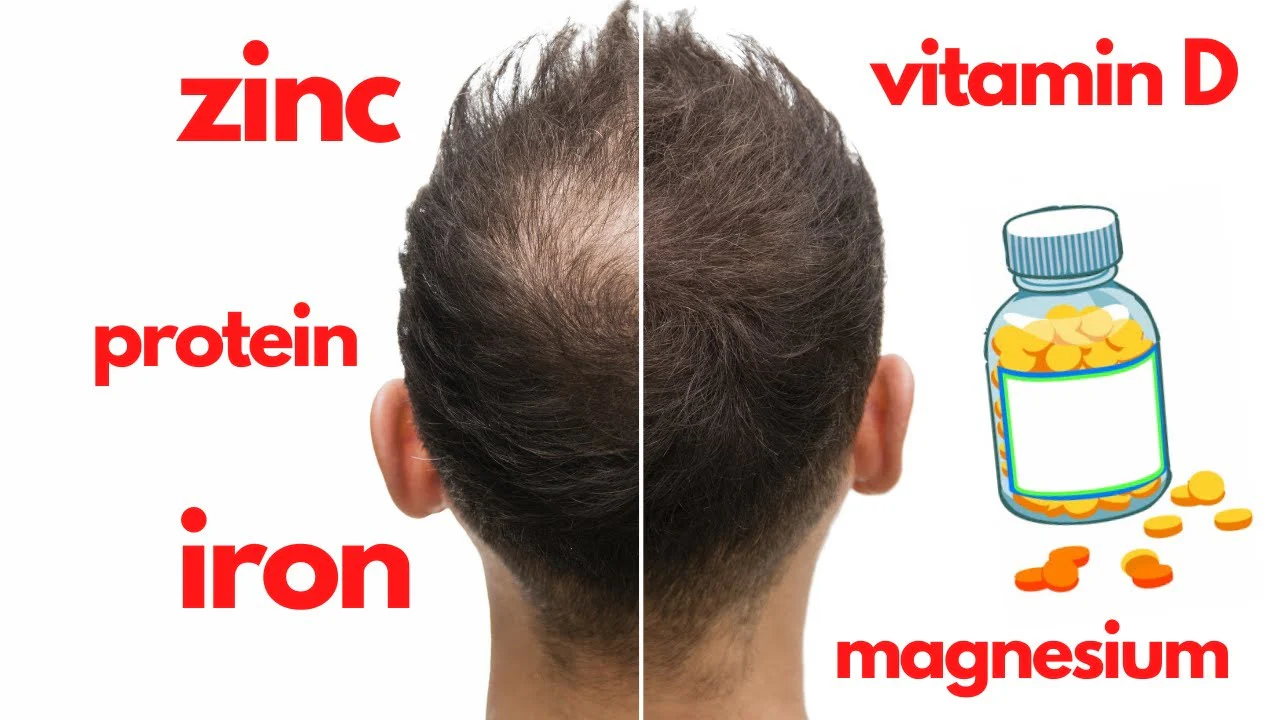
- Strengthen from within – Ensure adequate levels of iron, vitamin D, zinc, and biotin for healthy follicles.
- Use gentle hair care – Avoid harsh chemical treatments, tight hairstyles, and excessive heat styling.
- Topical boosters – Products like minoxidil can accelerate new growth.
- Lifestyle adjustments – Managing stress, improving sleep, and eating a balanced diet all support hair recovery.
By combining these approaches, you can help reduce unnecessary breakage and give your hair the best possible chance to recover. If shedding continues beyond the expected adjustment phase, consulting a dermatologist or trichologist can provide clarity and additional treatment options. With patience, consistency, and the right support, most women see their hair stabilize and gradually regain volume.
Spironolactone for Hair Loss: Who Benefits Most?
Spironolactone can be a highly effective treatment for women struggling with hormonal hair loss, but it isn’t a one-size-fits-all solution. Because the medication works by reducing the effects of androgens, it provides the most benefit to individuals whose hair thinning is directly tied to hormonal imbalances. Understanding who is most likely to see results—and who should avoid the drug—is essential before starting treatment.
Best Candidates for Spironolactone
- Women with androgenetic alopecia (female pattern baldness)
- Women with PCOS-related hair loss
- Women with postpartum or menopause-related shedding
- Patients with acne or hirsutism alongside hair loss
Who Should Avoid It?
- Men, since spironolactone can alter testosterone balance and cause feminizing effects
- Pregnant or breastfeeding women, due to risks for the baby
- Individuals with kidney disease or high potassium levels, as spironolactone can further raise potassium and cause complications
While spironolactone offers hope to many women, it is not suitable for everyone. Consulting a dermatologist or endocrinologist before starting ensures the treatment aligns with your specific health needs and hair goals. By identifying whether you’re a good candidate, you’ll maximize your chances of success and avoid unnecessary risks.
Enhancing Results: Best Treatments to Combine with Spironolactone
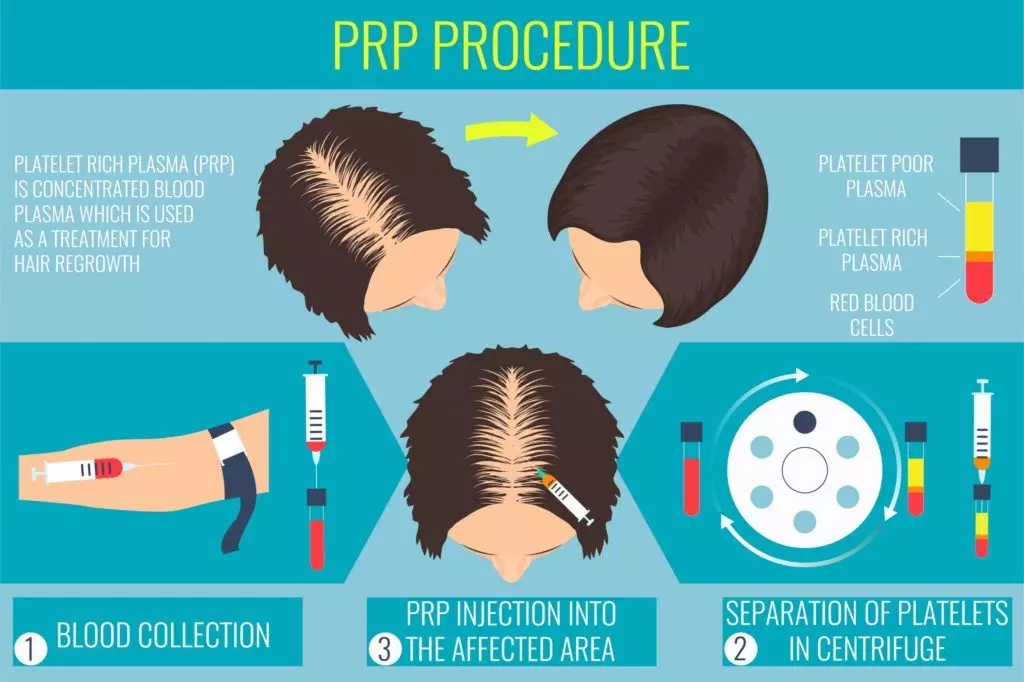
For maximum benefits, spironolactone is often combined with other clinically proven hair regrowth therapies:
- Minoxidil (Rogaine): Increases follicle size and prolongs growth phase.
- Low-Level Laser Therapy (LLLT): Light-based technology that boosts circulation and follicle activity.
- DHT-blocking shampoos: Provide additional support in reducing scalp-level DHT.
These complementary approaches can transform spironolactone from a good option into a highly effective treatment plan.
FAQs About Spironolactone and Hair Loss
How long before spironolactone shows results for hair loss?
Most women notice reduced shedding by 3–6 months, with visible thickening after 9–12 months.
Is spironolactone safe for long-term use?
Yes, under medical supervision. Regular blood tests are needed to monitor potassium levels.
Can spironolactone regrow hairline recession?
It is more effective on thinning at the crown and part line than on receding hairlines, which are harder to reverse.
Can men use spironolactone for hair loss?
It’s generally not recommended, as it can cause hormonal side effects such as breast enlargement and decreased libido.
Where can I get spironolactone for hair loss?
You’ll need a prescription from a dermatologist, endocrinologist, or via a licensed telehealth platform.
Final Thoughts: Is Spironolactone the Right Choice for Your Hair?
Spironolactone is one of the most effective treatments for hormonal hair loss in women. While the initial shedding phase can be alarming, it’s typically a sign that the medication is working to reset your hair cycle. With patience, consistency, and complementary therapies, many women see thicker, healthier hair within a year.
Key Takeaways
- Spironolactone hair loss is usually temporary shedding, not permanent baldness.
- Results take 6–12 months to become noticeable.
- Stopping the drug may trigger a return of hair loss.
- Always consult a specialist to determine if spironolactone is right for your unique condition.
If you’re struggling with thinning hair, spironolactone could be a game-changing solution—provided it’s used correctly and under medical supervision.
Conclusion: Finding Balance with Spironolactone for Hair Health
For most women, spironolactone hair loss refers not to permanent thinning but to a short adjustment period marked by temporary shedding. Once this phase passes, the medication often delivers meaningful improvements—reducing hormonal damage to follicles, slowing progressive thinning, and encouraging stronger regrowth over time. With realistic expectations and medical supervision, spironolactone can be a highly effective ally in managing hormone-driven hair loss.
