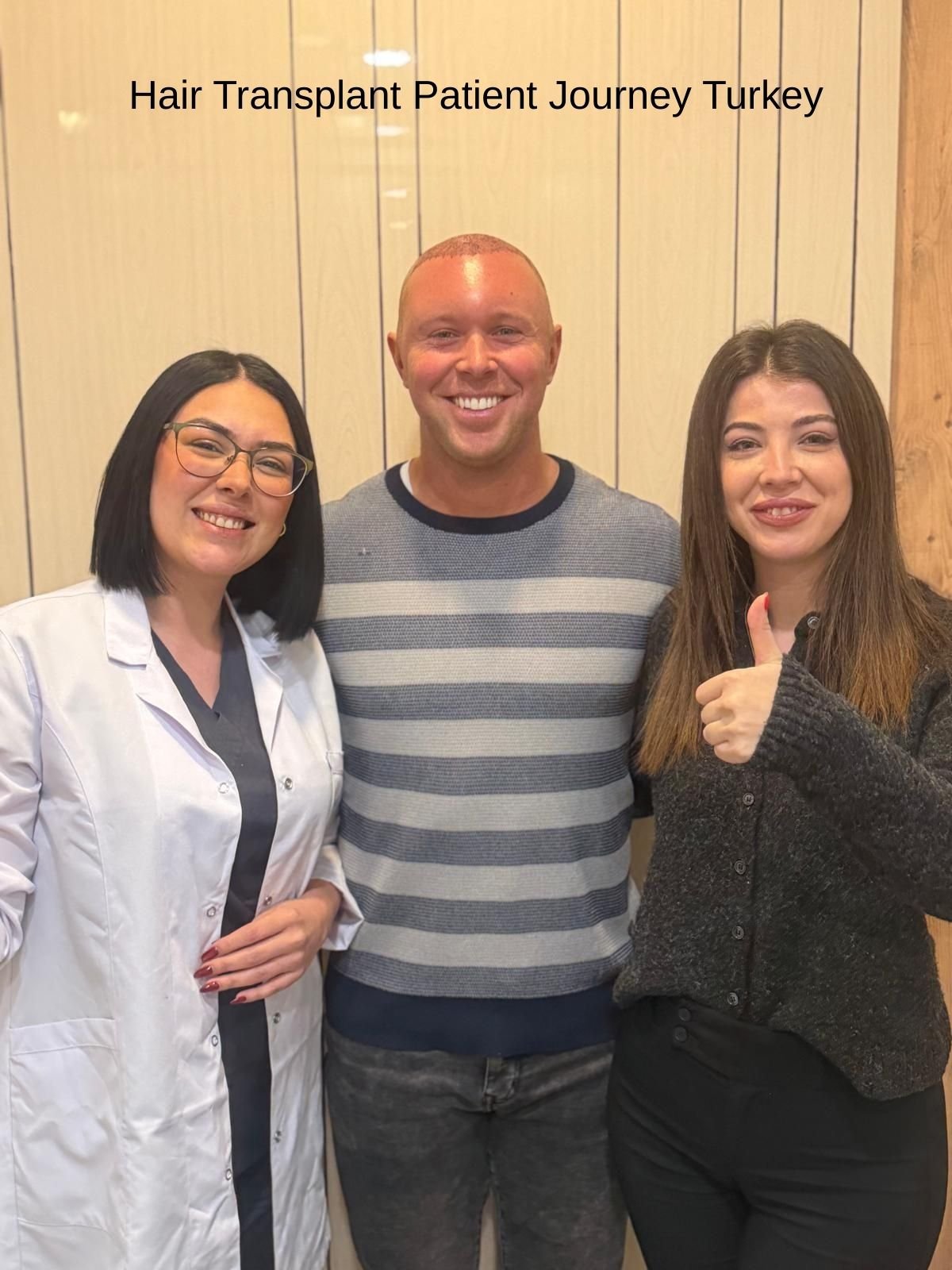
Le prime 72 ore sono la parte più sensibile del recupero dopo il trapianto di capelli perché è in questo momento che il cuoio capelluto si sta adattando alla procedura e i follicoli trapiantati sono nella loro primissima fase di stabilizzazione. Dal Giorno 1 al Giorno 3, è normale sentirsi più consapevoli del proprio cuoio capelluto rispetto al solito, e molti pazienti descrivono una combinazione di tensione, dolorabilità e lieve disagio. Anche se i cambiamenti visibili possono sembrare intensi all’inizio, questa fase precoce del recupero riguarda principalmente il corpo che inizia la sua risposta di guarigione e protegge le aree trattate.
Sebbene ogni paziente guarisca in modo diverso, la fase Giorno 1–3 tende a seguire un modello prevedibile. Il cuoio capelluto può apparire rosso, l’area donatrice può essere dolente e può iniziare a svilupparsi gonfiore. Capire cosa è tipico durante questa parte della cronologia del recupero aiuta a ridurre l’ansia e impedisce alle persone di presumere che qualcosa non vada quando i sintomi sono in realtà previsti.
Giorno 1: come si sente solitamente il recupero dopo il trapianto di capelli subito dopo l’intervento
Il Giorno 1 del recupero è spesso quando i pazienti notano le sensazioni più immediate. L’area donatrice può sembrare dolente o bruciare leggermente, mentre l’area ricevente può sembrare tesa o sensibile. Alcuni pazienti avvertono anche una lieve sensazione di pressione sul cuoio capelluto, che è normale dopo la procedura. Il rossore è solitamente visibile nella zona trapiantata e possono essere notati piccoli punti di guarigione dove sono stati posizionati gli innesti.
È anche comune sentirsi più stanchi del previsto durante il primo giorno di recupero, anche se la procedura in sé è sembrata confortevole. Questo perché il corpo sta lavorando per iniziare la guarigione e molti pazienti trovano che il riposo e le routine tranquille rendano questa fase molto più facile da gestire.
Giorno 2: il gonfiore raggiunge il picco per molti pazienti durante il recupero
Per molte persone, il Giorno 2 è quando il gonfiore diventa più evidente durante il recupero. Il gonfiore inizia spesso intorno all’area della fronte e può spostarsi gradualmente verso il basso, il che può sembrare scomodo o sorprendente se non lo si è mai sperimentato prima. Sebbene questo sia solitamente temporaneo, il Giorno 2 è spesso considerato il periodo di picco del gonfiore nella cronologia iniziale del recupero.
Insieme al gonfiore, il cuoio capelluto può ancora sentirsi teso e può iniziare a svilupparsi un lieve prurito mentre la pelle inizia a guarire. È importante ricordare che il prurito è una parte normale del recupero e non significa che qualcosa non vada. La chiave è non grattare o disturbare la superficie in guarigione mentre la pelle è ancora sensibile.
Giorno 3: la guarigione precoce si stabilizza e il cuoio capelluto inizia a sistemarsi
Entro il Giorno 3, molti pazienti notano che il cuoio capelluto inizia a sentirsi leggermente più stabile e gestibile. Il gonfiore può essere ancora presente, ma la sensazione di tensione spesso diventa meno intensa. L’area ricevente appare ancora rossa e i punti di guarigione rimangono visibili, ma il cuoio capelluto appare solitamente più sistemato rispetto al Giorno 1. Questa è la fase del recupero in cui molti pazienti si sentono più sicuri che la loro guarigione stia procedendo normalmente.
Il Giorno 3 è anche quando inizia la successiva fase visibile del recupero per molti pazienti: la formazione delle croste. Questo non accade sempre completamente il Giorno 3, ma spesso diventa più evidente subito dopo, man mano che la superficie di guarigione cambia e l’area trapiantata inizia a formare croste protettive attorno ai siti di innesto.
Sintomi comuni durante le prime 72 ore del recupero dopo il trapianto di capelli
Durante i Giorni 1–3 del recupero, i sintomi più comuni includono tipicamente rossore, lieve gonfiore, dolorabilità, tensione e sensibilità nelle aree donatrice e ricevente. Alcuni pazienti notano sanguinamento puntiforme, lieve essudazione o sensazioni temporanee di intorpidimento e formicolio. Questi fanno generalmente parte della normale risposta di guarigione. Il punto importante è che il recupero precoce può sembrare drammatico pur essendo completamente di routine.
Questa è anche la fase in cui molti pazienti si preoccupano se i loro innesti siano “al sicuro”. In realtà, i follicoli sono posizionati sotto la pelle e iniziano a stabilizzarsi gradualmente. Capire che l’ancoraggio dell’innesto è un processo, non un evento istantaneo, ti aiuta a sentirti più calmo durante la cronologia iniziale del recupero.
Quando prestare attenzione durante il recupero dopo il trapianto di capelli (Giorno 1–3)
Anche se i primi sintomi sono normali, il recupero dovrebbe sempre sembrare progressivamente stabile. Se il disagio peggiora drasticamente invece di migliorare, o se noti cambiamenti insoliti che non corrispondono al modello previsto, è sempre meglio contattare la tua clinica e fare un controllo. Le prime 72 ore sono pensate per essere protettive e tranquille, e una comunicazione chiara durante il recupero aiuta a garantire la tranquillità mentre si passa alla fase successiva.
While every patient heals differently, the Day 1–3 stage tends to follow a predictable pattern. The scalp may look red, the donor area can feel sore, and swelling may begin to develop. Understanding what’s typical during this part of the hair transplant recovery timeline helps reduce anxiety and prevents people from assuming something is wrong when the symptoms are actually expected.
Day 1: What Hair Transplant Recovery Usually Feels Like Right After Surgery
Day 1 of hair transplant recovery is often when patients notice the most immediate sensations. The donor area can feel tender or slightly burning, while the recipient area may feel tight or sensitive. Some patients also experience a mild pressure-like feeling across the scalp, which is normal after the procedure. Redness is usually visible in the transplanted zone, and tiny healing points may be noticeable where grafts were placed.
It’s also common to feel more tired than expected during the first day of hair transplant recovery, even if the procedure itself felt comfortable. This is because the body is working to begin healing, and many patients find that rest and calm routines make this stage much easier to manage.
Day 2: Swelling Peaks for Many Patients During Hair Transplant Recovery
For many people, Day 2 is when swelling becomes more noticeable during hair transplant recovery. The swelling often begins around the forehead area and may gradually move downward, which can feel uncomfortable or surprising if you haven’t experienced it before. While this is usually temporary, Day 2 is often considered the peak swelling period in the early hair transplant recovery timeline.
Along with swelling, the scalp may still feel tight, and mild itchiness can start developing as the skin begins to heal. It is important to remember that itching is a normal part of hair transplant recovery, and it does not mean something is wrong. The key is not to scratch or disturb the healing surface while the skin is still sensitive.
Day 3: Early Healing Stabilizes and the Scalp Starts Settling
By Day 3, many patients notice that the scalp begins to feel slightly more stable and manageable. Swelling may still be present, but the tight sensation often becomes less intense. The recipient area still looks red, and the healing points remain visible, but the scalp usually appears more settled than it did on Day 1. This is the stage of hair transplant recovery where many patients feel more confident that their healing is progressing normally.
Day 3 is also when the next visible phase of hair transplant recovery begins for many patients: scab formation. This does not always happen fully on Day 3, but it often becomes more noticeable soon after, as the healing surface changes and the transplanted area begins forming protective crusts around the graft sites.
Common Symptoms During the First 72 Hours of Hair Transplant Recovery
During Day 1–3 of hair transplant recovery, the most common symptoms typically include redness, mild swelling, tenderness, tightness, and sensitivity in the donor and recipient areas. Some patients notice pinpoint bleeding, mild oozing, or temporary numbness and tingling sensations. These are generally part of the normal healing response. The important point is that early hair transplant recovery can look dramatic while still being completely routine.
This is also the stage where many patients worry about whether their grafts are “secure.” In reality, the follicles are placed beneath the skin and begin stabilizing gradually. Understanding that graft anchoring is a process—not an instant event—helps you feel calmer during the early hair transplant recovery timeline.
When to Pay Attention During Hair Transplant Recovery (Day 1–3)
Even though early symptoms are normal, hair transplant recovery should always feel progressively stable. If discomfort becomes sharply worse instead of improving, or if you notice unusual changes that don’t match the expected pattern, it’s always better to contact your clinic and check in. The first 72 hours are meant to be protective and calm, and clear communication during hair transplant recovery helps ensure peace of mind as you move into the next stage.