
Key Takeaways
- There is no medically bad month for a hair transplant, but the best time of year for a hair transplant in Turkey is usually October to March.
- Autumn is the most popular season, so doctor-led clinics in Istanbul tend to fill their calendars quickly between September and November.
- A hair transplant in winter does not harm grafts; the main winter issue is dry indoor heating, which is easy to manage.
- A hair transplant in summer is entirely possible, but sun, sweat and swimming restrictions make recovery less convenient.
- Having your procedure between October and January usually means visible growth by the following summer and a mature result about a year later.
Once patients decide to have a hair transplant in Turkey, the next question is almost always the same: when should I go? Some have heard that winter is best, others that summer is dangerous, and many simply want to know when they will look good again. The honest answer is that grafts do not know what month it is. Hair grows on its own biological timetable, and procedures are performed successfully all year round.
Timing still matters, though, for reasons that have little to do with biology and a lot to do with everyday life. The weather affects how comfortable your recovery is. The season affects how easily you can protect your scalp from sun and sweat. And the month you choose decides when your new hair will be ready to show. This guide explains the best time of year for a hair transplant in Turkey, season by season, so you can choose dates that suit both your scalp and your calendar.
Does the Season Affect Hair Transplant Results?
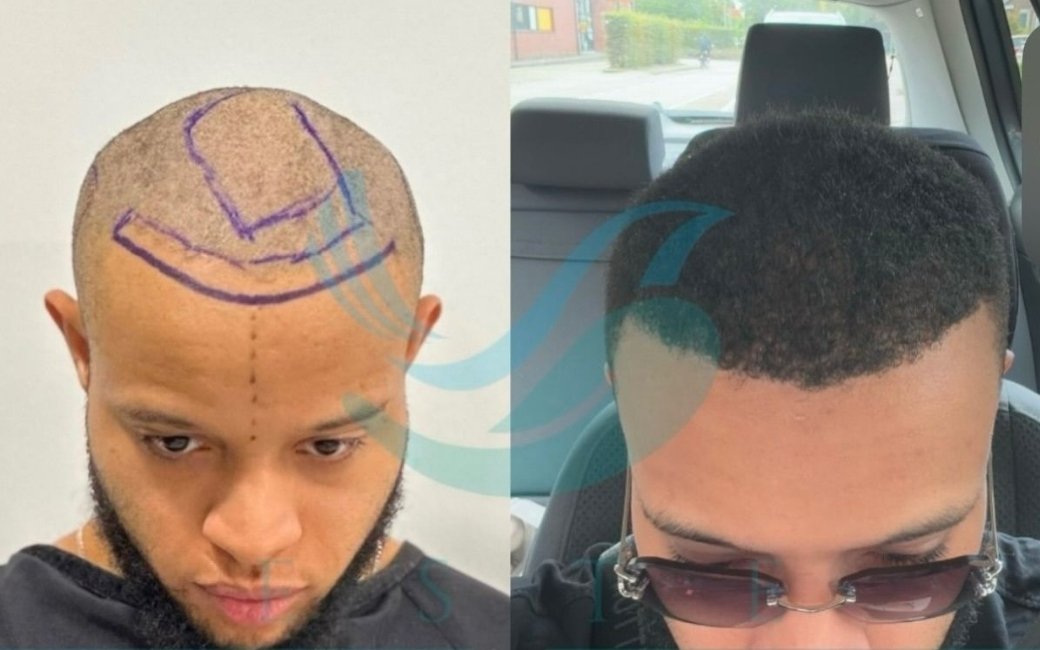
The season does not change how well a properly performed transplant grows. Transplanted follicles follow the same cycle whether they are placed in January or July: the hairs usually shed within the first weeks, new growth begins around the third or fourth month, and the result matures between months twelve and fourteen. There is no reliable evidence that grafts placed in one season survive better than grafts placed in another.
What the season does change is the recovery environment. The first ten to fourteen days after surgery are when the scalp is most sensitive. During this period, direct sun, heavy sweating, dust, swimming pools and the sea are best avoided. In some months, following those rules is effortless. In others, it takes more planning. That is why the best month for a hair transplant is usually about convenience and comfort rather than medical safety.
Skill and planning matter far more than the calendar, which is why the best time of year for a hair transplant in Turkey is a secondary decision rather than the first one. A careful doctor-led procedure in August will outperform a rushed, technician-led procedure in November every time. Choose the clinic first and the season second.

Hair Transplant in Autumn: The Most Popular Season
Autumn is widely regarded as the most comfortable season for a hair transplant in autumn in Istanbul. Temperatures are mild, the summer sun has softened and there is little need to sweat through the first week of recovery. It is also a practical time for many patients: summer holidays are over, the working year has settled and there is time to recover before the festive season.
Timing is attractive too. A procedure in October or November means the early shedding phase happens during the darker, quieter months, when hats and scarves are normal and fewer people notice changes. By late spring, new growth is usually visible, and by the following summer many patients already look noticeably fuller.
The downside is demand. Because so many patients choose this period, clinic calendars in Istanbul tend to fill quickly between September and November, especially at doctor-led clinics that limit the number of patients they treat each day. If you want an autumn date with a specific doctor, book several weeks ahead. Is autumn the busiest season in Istanbul? For hair transplantation, it generally is, which is exactly why early planning pays off.

Hair Transplant in Winter: Better Than Its Reputation
Many patients worry that cold weather will damage new grafts. It will not. A hair transplant in winter heals just as well as one in any other season. Is winter a good time for a hair transplant? For most people, yes, and for some it is the ideal choice.
Winter makes aftercare simple. The sun is weak, sweating is minimal and most people spend more time indoors. Loose hats and hoods are part of normal winter clothing, which makes the first weeks easier to manage discreetly once your clinic confirms that covering the head is allowed. Many patients also use the Christmas and New Year period to take time off work without using extra holiday days.
Does cold weather affect hair grafts? Cold air itself does not harm them. The only real winter consideration is dryness. Indoor heating can dry out the scalp and make itching more noticeable during healing. Keeping rooms reasonably humid, drinking enough water and following the washing and moisturising routine your clinic gives you are usually enough. Avoid hot showers aimed directly at the scalp in the early days, and protect your head from strong wind if you are outdoors for long periods.

Hair Transplant in Spring: Mild Weather, Summer-Ready Timing
Spring offers many of the same benefits as autumn. Temperatures in Istanbul are mild, the sun is not yet at its strongest and recovery is comfortable. For patients who missed the autumn window, early spring is an excellent alternative.
The main trade-off is timing of results. A procedure in March or April means the shedding phase falls in early summer, and visible regrowth arrives in the autumn. The final result then matures the following spring. If being ready for a particular summer is your priority, spring is a little late; if you simply want comfortable recovery conditions, it is one of the best choices available.
Hair Transplant in Summer: Possible, With Extra Care
Can I have a hair transplant in summer? Yes. Summer is not dangerous for grafts, and many patients choose it because it is the only time they can take a longer break from work. A hair transplant in summer simply requires more discipline during the first two weeks.
The challenges are practical. Strong sun must be kept off the scalp, which means staying in the shade and wearing a loose, clinic-approved covering when outdoors. Heat and sweat increase the risk of irritation, so strenuous activity and hot environments should be avoided. Swimming pools and the sea are off limits for the period your clinic specifies, usually several weeks. For patients who were hoping to combine surgery with a beach holiday, this can be frustrating.
If you do choose summer, plan your recovery around indoor activities, book accommodation with good air conditioning and avoid scheduling your procedure right before a trip that involves sun, sand or swimming.
Season-by-Season Comparison
The table below summarises how each season compares when you are choosing the best time of year for a hair transplant in Turkey.
| Season | Recovery comfort | Main consideration | Growth timing |
| Autumn (Sep to Nov) | Very comfortable | High demand, book early | Visible growth by late spring, strong look by summer |
| Winter (Dec to Feb) | Comfortable | Dry indoor air | Visible growth by early summer |
| Spring (Mar to May) | Very comfortable | Result arrives after summer | Visible growth by autumn |
| Summer (Jun to Aug) | Less comfortable | Sun, sweat and swimming limits | Visible growth by winter |
When to Have a Hair Transplant to Be Ready for Summer
Many patients plan backwards from a date that matters: a wedding, a holiday, a new job or simply the next summer. Knowing when to have a hair transplant to be ready for summer comes down to the growth timeline.
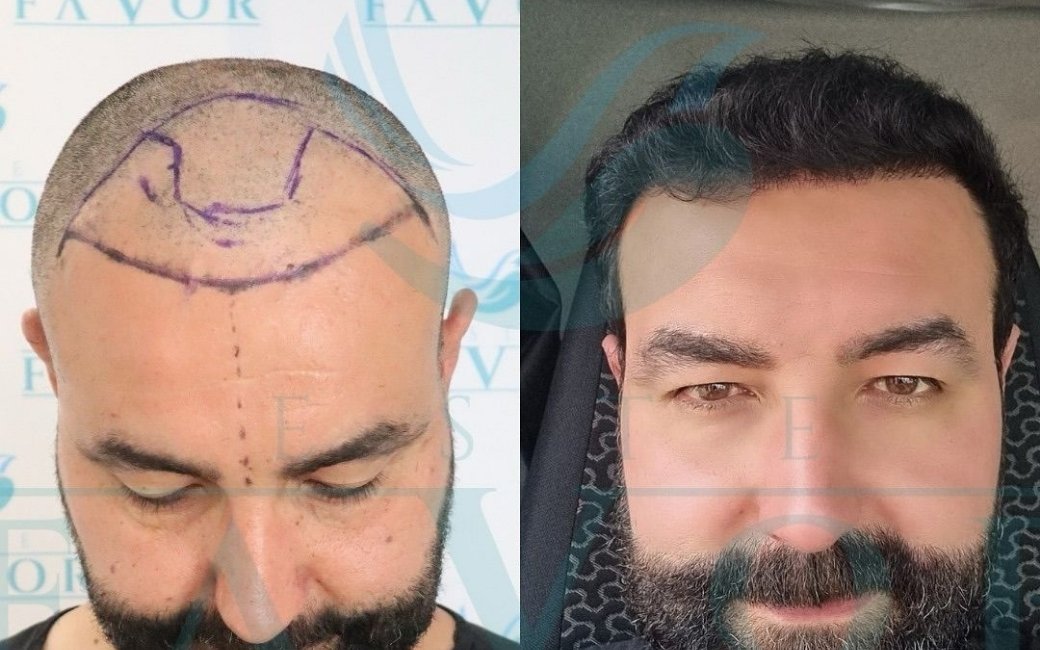
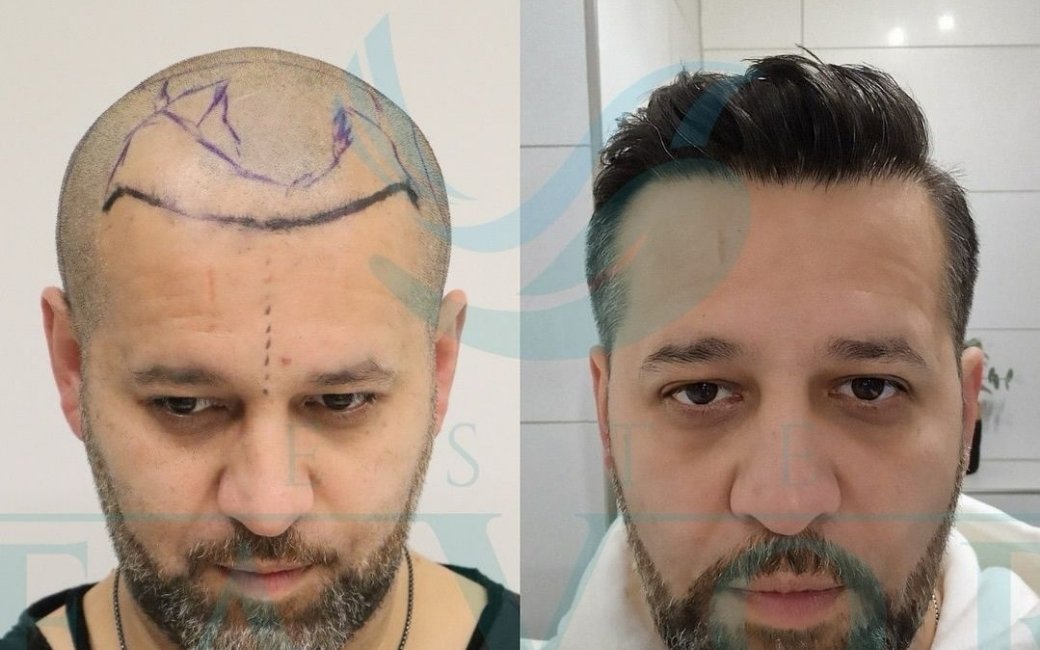
As a guide, visible regrowth typically starts from months three to four, the hair becomes noticeably fuller between months six and eight, and the final result is judged at twelve to fourteen months. If you want a clear improvement by June, a procedure between October and January gives you the best chance. If you want the result close to its final state by a particular event, allow a full year.
| Procedure month | Early growth visible | Noticeably fuller | Close to final result |
| October | January to February | April to June | October to December of the next year |
| December | March to April | June to August | December to February |
| February | May to June | August to October | February to April |
| June | September to October | December to February | June to August |
These timings vary from person to person, and growth is gradual rather than sudden. They are best used as a planning guide, not a promise.
Istanbul’s Weather Month by Month
Istanbul has a moderate climate, which is one reason it works well for medical travel year round. Summers are warm and can be humid, with strong sun in July and August. Winters are cool and damp rather than extremely cold, with occasional snow. Spring and autumn bring mild temperatures that many patients find the most comfortable for a short stay.
For recovery, the ideal conditions are mild temperatures, limited sun and low humidity. That combination is most common from late September to November and from March to May. Winter is also well suited to recovery, as long as you manage indoor dryness and dress warmly when moving around the city.
Your climate at home matters as much as Istanbul’s. A patient returning to a hot, sunny country faces different aftercare challenges from one flying back to a cold, rainy city. Think about where you will spend the first two weeks after surgery, not just the three or four days in Turkey. For someone returning to strong summer sun, the best time of year for a hair transplant in Turkey may be late autumn or winter, even if Istanbul itself is pleasant in May. For someone returning to a northern European winter, almost any month works, provided the scalp is kept dry and protected from wind.

Does the Season Affect the Price?
In general, pricing is based on graft count, technique and doctor involvement rather than the calendar, so the best month for a hair transplant is rarely the cheapest month in any meaningful way. At licensed, doctor-led clinics in Turkey, a complete all-inclusive procedure typically costs between $2,000 and $4,500. Some clinics offer promotional pricing during quieter months, but the procedure itself should never change with the season.
Currency movements have also helped keep prices stable for international patients. The Turkish lira weakened against the dollar through 2026, from roughly 43 lira per dollar at the start of the year to around 48 by September, which has helped clinics hold package prices steady rather than raise them.
What does change with the season is the cost of the trip around the procedure. Flights and hotels in Istanbul are often more expensive in peak tourist periods and during major holidays, and cheaper in the quieter months. If budget is a priority, a winter procedure outside the holiday weeks can reduce the total cost of the journey.
How to Choose Your Dates
Beyond the season, a few practical questions will help you choose the right dates:
- How much time can you take off work? Most patients need around three to four days in Turkey and prefer a week or more before returning to a public-facing job.
- Do you have important events in the next few months? Avoid scheduling surgery in the weeks just before a wedding, photoshoot or major presentation.
- Will you be exposed to sun, heat or dust at work or at home in the weeks after surgery?
- Are you planning any holidays involving swimming or strong sun in the following month?
- How far ahead does your preferred doctor book in busy periods?
For most international patients, booking around four to eight weeks ahead is comfortable, but autumn dates with doctor-led clinics can require more notice. Our guide to a hair transplant consultation in Turkey explains how to prepare for that planning stage.

Recovery Tips for Every Season
Autumn: carry a light, loose covering for sunny days and a compact umbrella for rain, since the scalp should stay dry apart from planned washes.
Winter: use a humidifier or keep a bowl of water near the heater, avoid very hot showers directed at the scalp and dress warmly without tight hats.
Spring: watch for strong midday sun, which can arrive earlier than expected, and avoid dusty outdoor work or gardening during the first two weeks.
Summer: stay in air-conditioned spaces, avoid the sea, pools and saunas for the period your clinic advises and keep the scalp out of direct sun at all times.
Whatever the month, the fundamentals stay the same: follow the washing routine exactly, sleep with your head elevated in the first nights, avoid heavy exercise until your clinic clears you and keep in touch with your aftercare team if anything feels unusual.
Planning Around Holidays and Work Leave
For many working patients, the real question is not which season is ideal in theory, but which week they can actually take off. Public holidays can make a big difference. A procedure just before the Christmas and New Year period, for example, lets many people recover through the holidays and return to work with most visible signs already fading. Other patients plan around quieter weeks in their own industry, or around school holidays when family routines change.
A hair transplant in autumn often fits neatly into the gap between the summer break and year-end commitments. A hair transplant in winter works well for anyone who can use seasonal holidays to rest. If your only free weeks fall in July or August, summer is still perfectly workable; it simply asks for more care with sun and heat.
Try to leave a little buffer on both sides. Arriving a day before your consultation and not scheduling important meetings in the first week back gives you room to rest. In practice, the best time of year for a hair transplant in Turkey is the period when you can recover without rushing back into demanding routines.
Common Myths About Timing
Myth: winter damages grafts. A hair transplant in winter heals normally. Cold temperatures do not affect graft survival; only dryness needs a little attention.
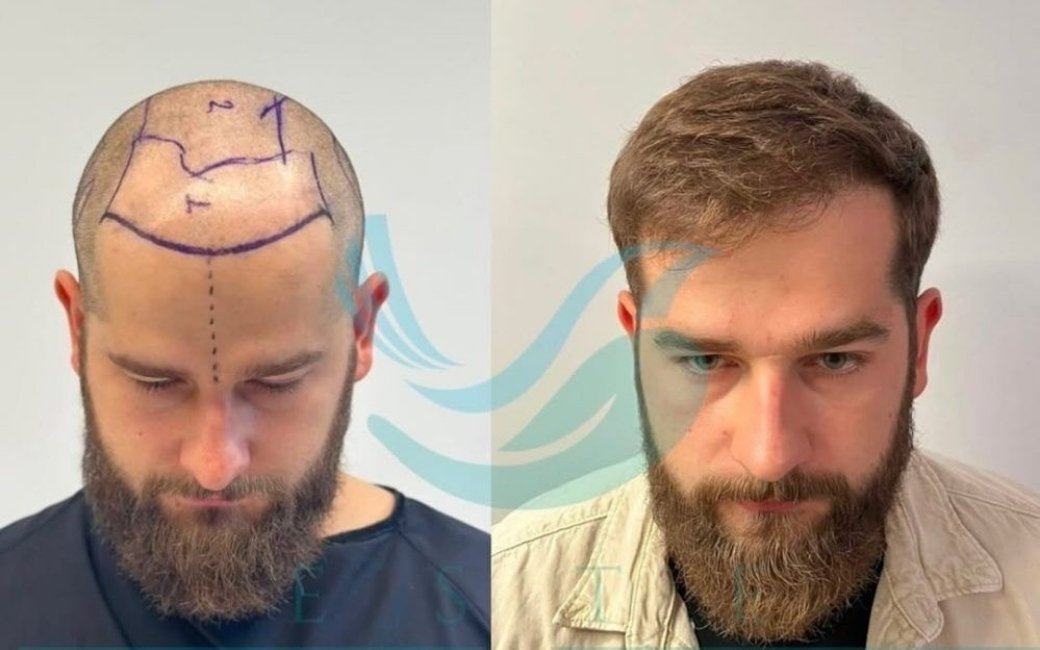
Myth: summer transplants fail more often. There is no evidence that summer procedures grow less well. They simply require stricter protection from sun, sweat and water.
Myth: autumn hair shedding ruins results. Some people notice more seasonal shedding of their own hair in autumn, but this does not affect transplanted grafts, which follow their own cycle.
Myth: there is one best month for a hair transplant for everyone. The best month for a hair transplant depends on your schedule, your climate at home and when you want to see results. Two patients can make opposite choices and both be right.
Myth: peak season means rushed care. At clinics that cap daily patient numbers, demand affects availability, not quality. A hair transplant in autumn at a doctor-led clinic receives the same attention as one in February; you simply need to book earlier.

How Este Favor Plans Around the Calendar
Este Favor, an award-winning boutique clinic in Istanbul, treats timing as part of the plan rather than an afterthought.
AI Hair Mapping™. Planning begins with the clinic’s proprietary system, which maps donor density, follicle direction and safe extraction zones at millimetre level and supports hairline design based on facial proportions. Because the plan is prepared in advance, patients can choose dates knowing exactly what the procedure involves.
Hybrid Technique (Sapphire FUE + DHI). For patients who want to keep their existing length, for example during a working winter or before an event, DHI zones can often be treated without shaving, while Sapphire FUE builds coverage elsewhere.
Doctor-Only Channel Opening Protocol. Every recipient channel is opened personally by a doctor. Because the clinic limits daily patient numbers to protect this standard, autumn dates in particular are best reserved early.
All-inclusive packages typically range from $2,000 to $4,500 depending on graft count and technique, and seasonal aftercare guidance is included in the twelve months of follow-up.

Frequently Asked Questions
What is the best time of year for a hair transplant in Turkey?
For comfort and convenience, October to March is usually ideal, with autumn the most popular choice. Procedures are performed successfully all year, so the right time is ultimately the one that fits your schedule.
Is winter a good time for a hair transplant?
Yes. Cold weather does not harm grafts, sun and sweat are minimal and it is easy to recover discreetly. Just manage dry indoor air during healing.
Does cold weather affect hair grafts?
No. Grafts are not damaged by normal winter temperatures. Protect the scalp from strong wind and avoid very hot showers directed at it in the early days.
Can I have a hair transplant in summer?
Yes, with extra care. Keep the scalp out of direct sun, avoid heavy sweating and stay away from pools and the sea for the period your clinic advises.
What is the best month for a hair transplant if I want results by summer?
October to January is usually best. Growth is typically visible within three to four months and noticeably fuller by six to eight months.
Are hair transplants cheaper in winter?
The procedure price generally does not change with the season, though some clinics offer quieter-month promotions. Flights and hotels are often cheaper outside peak travel periods.
How far ahead should I book an autumn procedure?
Several weeks at least. Doctor-led clinics in Istanbul often fill autumn dates early, so booking four to eight weeks ahead, or more, is wise.
Final Word
The calendar will not make or break your result. The clinic, the plan and the doctor performing the critical steps will. What the season can do is make recovery easier and bring your new hair in at the right moment for your life. For most people, that points to the best time of year for a hair transplant in Turkey falling between October and March, with autumn and early winter the sweet spot. Choose a licensed, doctor-led clinic first, then pick the month that lets you recover comfortably and step into the next summer with confidence.
