
Noticing your hair thinning at twenty-two or losing density at the temples at twenty-five is, for many men and an increasing number of women, one of the most psychologically disorienting experiences of early adulthood. It arrives at exactly the wrong moment — when self-image is still forming, when social and professional life is at its most intense, and when there is a widespread cultural assumption that hair loss is something that happens later, to older people. The experience of going through it a decade or two ahead of that expectation creates a specific kind of distress that deserves to be taken seriously.
It also deserves to be understood accurately. Hair loss in your twenties is not a medical emergency, not a sign of poor health, and in most cases not something that happened because of anything you did or did not do. It is a biological process with a genetic basis, a hormonal mechanism, and a highly variable timeline. Understanding that mechanism — rather than reacting to symptoms with panic or with denial — is the foundation of making good decisions about what to do.
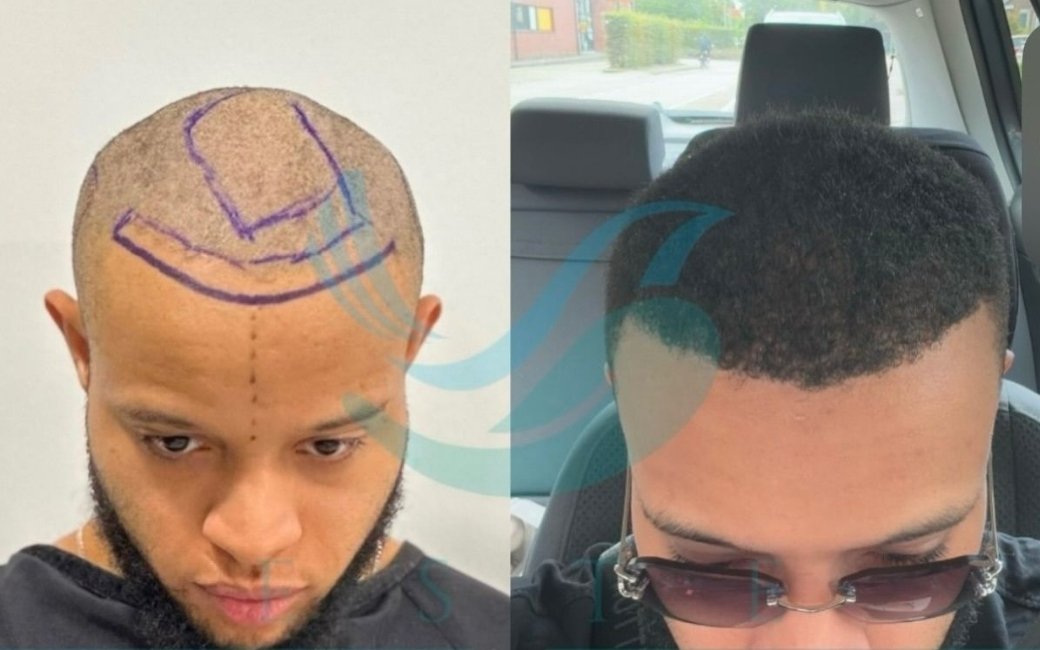
This article covers why hair loss starts early for some people, what the biology of early-onset androgenetic alopecia actually involves, how to assess your own situation honestly, what the realistic options are at this stage, why the decisions you make in your twenties have disproportionate long-term consequences, and when surgery is and is not appropriate for someone in this age group.
Why Hair Loss Can Begin in the Twenties
The dominant cause of hair loss in young adults — male or female — is androgenetic alopecia, commonly called male or female pattern hair loss. It is genetic in origin and hormonally mediated. The mechanism involves dihydrotestosterone, or DHT, a potent androgen derived from testosterone through the action of an enzyme called 5-alpha reductase. In people with genetic sensitivity to DHT, follicles in androgen-sensitive areas of the scalp — primarily the frontal, temporal, and crown regions — respond to DHT by progressively miniaturising. Each growth cycle, the follicle produces a slightly thinner, shorter, lighter hair. Over time, the hair becomes barely visible, and eventually the follicle ceases production altogether.
The genetic sensitivity to DHT is inherited, and its expression is polygenic — meaning multiple genes contribute, drawn from both maternal and paternal lineages. The common belief that hair loss is inherited exclusively from the mother’s side is incorrect. A father who went bald early is a relevant predictor. So is a maternal grandfather. So are multiple relatives on either side who thinned significantly before forty. None of these guarantees any specific outcome — some people with heavily affected family histories retain full hair, while some with no apparent family history thin significantly. But family pattern is the strongest single predictor available.
The timing of onset — why it begins at twenty-two for one person and forty-five for another — is also genetically influenced and not fully understood. What is known is that the earlier the onset, the more aggressive the eventual pattern is likely to be. Someone who notices clear recession at the temples at twenty-three is generally going to experience more extensive thinning over their lifetime than someone who first notices it at thirty-eight. This is clinically important because it affects the long-term planning framework for any treatment decision.
Hair loss in the twenties is not caused by stress, diet, wearing hats, washing hair too frequently, or any of the other commonly cited environmental factors. These factors can temporarily exacerbate shedding through telogen effluvium — a stress-response shedding that is usually self-limiting and reversible — but they do not initiate the progressive follicle miniaturisation that constitutes androgenetic alopecia. If you are losing hair in your twenties, the cause is almost certainly genetic, and the environmental factors you are worried about are not responsible.
Understanding Your Pattern: The Norwood Scale
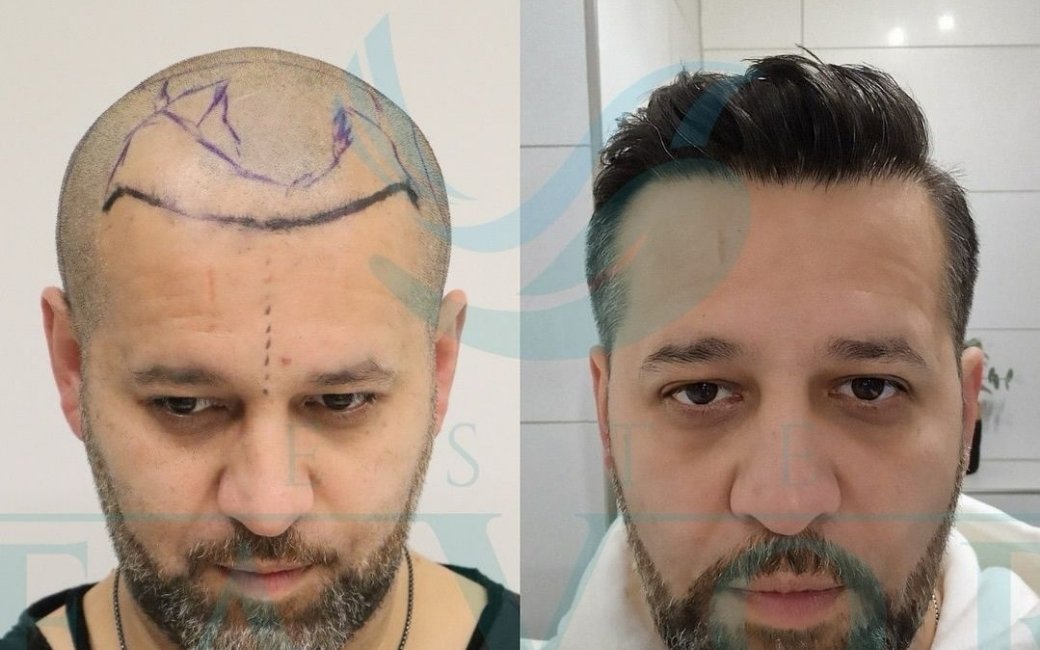
The Norwood-Hamilton Scale is the primary clinical tool for classifying the extent and pattern of male androgenetic alopecia. It describes seven stages from Type I — a mature hairline with no significant recession — through to Type VII, which represents extensive baldness across the frontal, top, and crown of the scalp, with only a narrow horseshoe-shaped band of hair remaining at the sides and back.
For someone in their twenties experiencing early hair loss, understanding where they currently sit on the Norwood Scale is less important than understanding the trajectory. At twenty-four you might be a Norwood 2 or 3 — early recession at the temples, perhaps some early thinning at the crown. The more clinically meaningful question is: what is your likely final pattern, based on your family history and the current rate of progression? A Norwood 2 at twenty-four who comes from a family of Norwood 6s has a different long-term situation than a Norwood 2 at twenty-four whose father and paternal grandfather are Norwood 3s.
This trajectory assessment is exactly what a consultation with an experienced hair restoration surgeon involves. It is not simply about documenting the current state but about making informed projections about where the pattern is likely to go — projections that are essential for making any rational treatment decision, particularly the decision about whether surgery is appropriate and when.
Assessing Your Own Situation Honestly
The first step for anyone experiencing hair loss in their twenties is an honest, systematic self-assessment before making any decisions about what to do. This means resisting both the impulse to catastrophise and the impulse to minimise.

Document what you see with photographs rather than mirror inspections. Mirrors in varying light conditions create inconsistent impressions. A consistent series of photographs — same lighting, same angle, same styling — taken monthly gives you an objective record of whether and how fast progression is occurring. This record is also extremely useful in any clinical consultation.
Look at your family. Not just your father, but your paternal and maternal grandfathers, uncles, and brothers. Note what age they began to thin and what their final pattern was. This is imperfect information — genetics is not deterministic — but it is the most relevant background data you have. If you have access to photographs of family members at various ages, these are worth examining.
Be honest about what you are seeing at the temples and crown, and distinguish between mature hairline recession — a normal biological event in which the juvenile hairline transitions to a mature adult one between the ages of seventeen and twenty-five — and genuinely progressive androgenetic recession. A mature hairline involves minor recession at the frontotemporal corners without ongoing progression. Progressive androgenetic recession continues beyond the mature hairline transition and advances into the frontal scalp.
If in doubt, see a dermatologist or a specialist in hair restoration. A clinical assessment including dermoscopy — a magnified examination of the scalp surface and follicular architecture — can confirm whether miniaturisation is occurring and to what degree. This is a diagnostic step that is worth taking before making any treatment or surgical decisions.
Why Decisions in Your Twenties Have Disproportionate Long-Term Consequences
The decisions made about hair loss in the twenties matter more than decisions made at any other stage, for a simple reason: the donor supply is finite, the pattern is still evolving, and choices made now will constrain what is possible later.
The average person has approximately 6,000 lifetime harvestable follicular unit grafts from the scalp donor zone. This is the total budget available across all surgical sessions over a lifetime. Every graft placed now is a graft that cannot be placed later. If you are twenty-four and Norwood 2 and you use 2,500 grafts to restore a low, aggressive hairline, you are making a commitment with a portion of your total donor capital that cannot be undone. If your pattern progresses to Norwood 5 over the next fifteen years — which is statistically possible if you have early onset and a family history of advanced loss — you may not have sufficient donor grafts left to address the mid-scalp and crown that have thinned around your restored hairline.

This is the scenario that produces the outcomes that appear in hair transplant forums as cautionary examples: a dense frontal hairline in a man in his forties surrounded by extensive thinning on all sides — an obvious, surgical-looking result that was aesthetically appropriate when it was created at twenty-five but has become a visible marker of surgery as the surrounding hair has continued to recede. The hairline itself is technically successful. The planning was not.
The implication is not that surgery in the twenties is never appropriate. It is that the threshold for surgical intervention at twenty-four or twenty-six should be higher than at thirty-five, that the hairline should be positioned more conservatively than the patient may want, that the graft allocation should be planned with the forty-year-old version of that patient in mind, and that any surgeon who does not have this conversation before operating is not serving the patient’s long-term interests.
Realistic Options at This Stage
For someone in their twenties experiencing early hair loss, the realistic options fall into three broad categories: monitoring and staging, non-surgical management, and surgical intervention. These are not mutually exclusive, and the most appropriate approach often involves elements of more than one.
Monitoring and staging means doing nothing immediately interventional while building an accurate picture of your pattern and rate of progression. This is not passivity — it is information gathering that makes every subsequent decision better informed. A monthly photograph series over twelve months tells you more than any single consultation, because it documents the actual rate of change. Many people in their early twenties who are alarmed by hair loss are experiencing nothing more than the normal maturation of the juvenile hairline, and this only becomes clear when the pattern is observed over time.
Non-surgical management encompasses approaches that address scalp health and support the existing follicular environment without surgical intervention. This includes ensuring no nutritional deficiencies are contributing to shedding — iron, vitamin D, and zinc deficiencies are documented and correctable contributors to hair loss across both sexes. It includes scalp hygiene practices that reduce the inflammatory environment around follicles. And it includes the decision about whether to pursue clinical non-surgical options, which is a conversation to have with a qualified physician rather than a decision to make independently based on online research.
Surgical intervention — hair transplant surgery — is an option for some people in their twenties, but the specific criteria for appropriate candidacy are more stringent at this age than at any other. The pattern must be stable, which typically requires at least two years of documented non-progression. The donor zone must be healthy and dense. The patient must understand the lifetime planning implications and accept a conservative design that serves them at forty and fifty, not just at twenty-five. And the surgeon must be willing to plan around the likely future pattern rather than just addressing the current one.

When Hair Transplant Surgery Is and Is Not Appropriate in Your Twenties
The minimum age recommendation from ISHRS guidelines for hair transplant surgery is generally twenty-five, and this is not arbitrary. It reflects the clinical reality that the pattern of androgenetic alopecia typically continues to evolve through the mid-twenties, and operating before the pattern has declared itself risks creating a result that looks increasingly inappropriate as the surrounding hair continues to recede.
Even at twenty-five, the evaluation must be conservative. The appropriate cases for surgery in the mid-twenties are those with a clearly defined, stable pattern — typically Norwood 3 or 3-vertex — where the recession has not progressed for at least two years, where the family history suggests a moderate rather than aggressive eventual pattern, and where the patient demonstrates a thorough understanding of why the hairline will be positioned higher and more conservatively than their desired position.
Traction alopecia at the hairline or temples — particularly common in women who have worn tight hairstyles for years — is a cleaner surgical indication in the twenties because the cause is mechanical rather than progressive androgenetic, the affected area is localised, and stopping the causative hairstyle halts progression. Results in well-selected traction alopecia cases in young patients are among the most predictable in hair restoration.
What is not appropriate: surgery in someone under twenty-five with a still-progressing pattern; surgery designed to restore a juvenile hairline that will look incongruous within a decade; surgery undertaken as a primary response to early-stage thinning before non-surgical options have been explored; and surgery at any clinic that does not comprehensively discuss the lifetime planning implications before proceeding.
The Psychological Dimension
Hair loss in the twenties carries a psychological weight that clinical discussions often underestimate. The experience intersects with identity formation, with the social pressures of early adulthood, and with the specific cultural message that physical appearance at this life stage should be at its best. The distress is real and does not require justification. What it does require is a framework for responding to it that does not lead to decisions made primarily from anxiety.
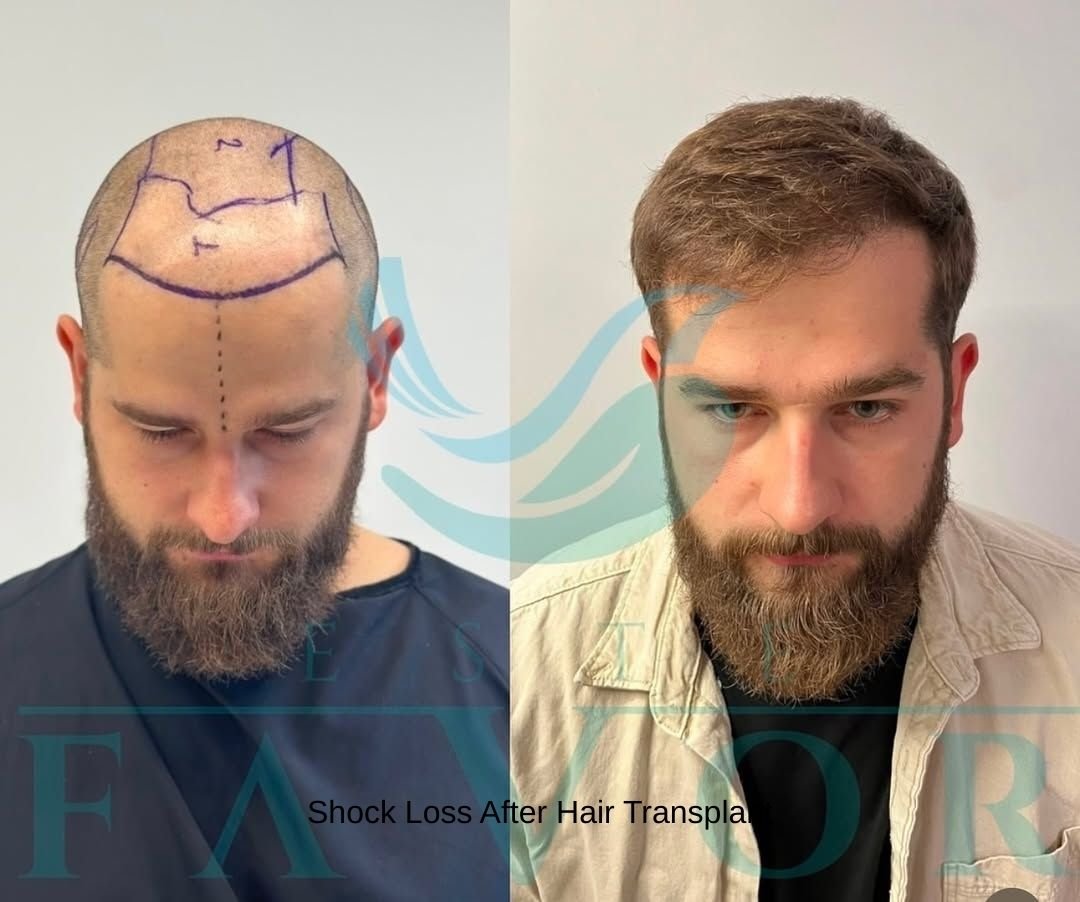
The most common anxiety-driven errors in this age group are: seeking surgery too quickly, before the pattern has declared itself; accepting a treatment plan from a clinic that does not adequately address long-term implications because it provides the quick resolution the patient is seeking; and spending significant money on products — shampoos, serums, supplements — that have no documented efficacy for androgenetic alopecia, because the marketing successfully targets the emotional state of someone who is worried and wants to believe that something is within their control.
None of this is to minimise the emotional experience. It is to note that the best response to hair loss in the twenties — at every stage, whether the decision is to monitor, to pursue non-surgical management, or eventually to consider surgery — is one that is informed by accurate biological understanding, by honest assessment of the pattern and trajectory, and by consultation with a clinician who is genuinely interested in the patient’s long-term outcome rather than the immediate transaction.
Some people in their twenties choose to accept their hair loss, adopt a shorter or shaved style, and redirect their energy accordingly. This is a completely valid response and one that many men in particular find liberating rather than resigned. The choice to pursue treatment is equally valid. What matters is that whichever path is chosen, it is chosen with accurate information rather than panic, marketing, or the false belief that doing something — anything — is always better than understanding the situation first.
What a Good Consultation at This Stage Should Look Like
If you are in your twenties and experiencing hair loss and you decide to seek a clinical consultation, the quality of that consultation is the most important factor in whether it serves your interests. A good consultation at this stage is not primarily about treatment planning. It is primarily about assessment, education, and honest discussion of options and their long-term implications.

A good consultant will examine your scalp with dermoscopy to assess miniaturisation and donor zone health. They will ask about your family history in detail. They will ask how long you have been noticing the loss and whether you have documentation of its progression. They will be conservative about surgical recommendations and will explain why — not because surgery is wrong for you, but because understanding the long-term consequences of early surgical decisions is essential before any commitment is made.
A consultation that moves quickly to graft counts, session planning, and pricing without a thorough assessment of pattern, trajectory, and long-term donor implications is not serving you well. The same applies to any consultation that responds to your age — twenty-two, twenty-four, twenty-six — with enthusiasm rather than appropriate caution. Hair loss in the twenties is not simply a version of hair loss at forty that starts earlier. It is a different clinical situation with different planning requirements, and the clinician you work with should understand that difference.
Taking the Long View
Hair loss in your twenties is a real experience with real emotional weight. It is also a manageable situation when approached with accurate information, honest self-assessment, and clinical guidance that prioritises your long-term wellbeing over short-term resolution. The decisions you make in the next few years will shape what your options are at thirty-five and forty-five. Taking those decisions seriously — building an accurate picture of your pattern, understanding your donor capital, making any interventions conservatively and with full knowledge of their implications — is the approach that serves you best.
You have more options than you think. You also have more time than anxiety suggests. The worst outcomes in this area come not from the condition itself but from decisions made too quickly, too aggressively, or without adequate information. The best outcomes come from patients who understood their situation clearly before acting on it.
