
When hair loss reaches the point of doing something about it, most people find themselves weighing two very different routes. One is a hair transplant, a surgical procedure that permanently relocates your own follicles to restore growing hair. The other is a hair system, the modern term for a high quality hairpiece, wig, or toupee that sits on the scalp and creates the appearance of a full head of hair without any surgery. Both can produce a convincing result, but they are fundamentally different solutions with very different costs, commitments, and lifestyles attached, and choosing between them is one of the most important hair loss decisions a person makes.
This guide compares hair transplant versus hair system honestly, across the factors that actually matter: how they work, cost over time, maintenance, permanence, naturalness, and who each option genuinely suits. The goal is not to declare one universally better, because they suit different people, but to help you understand the real trade offs so you can choose with clear eyes.

How Each Option Actually Works
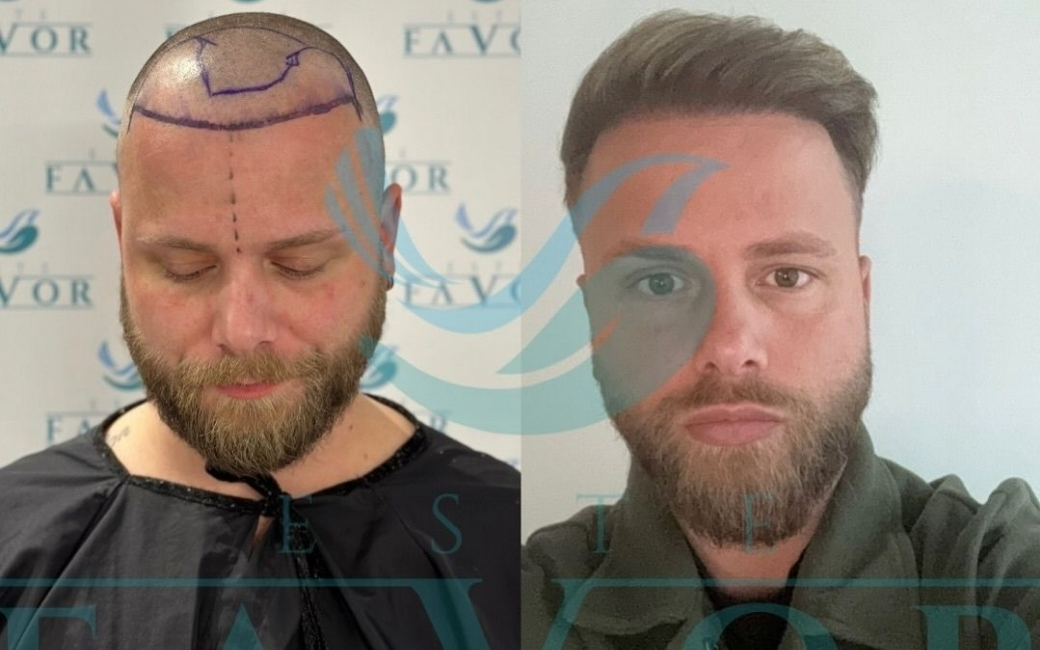
A hair transplant is a surgical procedure. A surgeon takes hair follicles from the donor area at the back and sides of your head, where the hair is genetically resistant to balding, and relocates them to the thinning or bald areas. Once these transplanted follicles heal and grow, they produce your own natural hair that grows for life, needs no daily attention beyond normal grooming, and is genuinely part of you. It is a one time intervention with a permanent result, though it requires healing time and the growth develops over roughly a year.
A hair system is a non surgical solution. It is a base material, often a very thin, skin like membrane or fine lace, with real or synthetic hair attached, that is fixed to the scalp using adhesive or tape and blended with any existing hair. A good modern hair system, professionally fitted and matched, can look remarkably natural. It creates instant coverage with no surgery, no healing, and no waiting for growth, but it sits on top of the scalp rather than growing from it, which means it needs ongoing attention to stay convincing.
The core difference is simple but decisive. A hair transplant restores hair that grows from your scalp permanently. A hair system creates the appearance of hair that must be maintained, replaced, and managed indefinitely.
Cost Over Time: The Comparison That Surprises People
At first glance, a hair system looks far cheaper than a hair transplant. A single hair system costs a fraction of what surgery costs, and the low entry price is a big part of its appeal. But the honest comparison is not the price of one system versus one surgery. It is the cost over years, and that comparison looks very different.
A hair transplant is a one time cost. You pay for the procedure, and the result is permanent, with no recurring charges for the transplanted hair itself. A hair system, by contrast, is an ongoing expense that never stops. Hair systems wear out and need replacing regularly, often every few months to a year depending on the quality and how it is treated. On top of replacement, there are recurring costs for adhesives, cleaning products, and usually professional maintenance and refitting. Add these up over five, ten, or twenty years, and the running cost of a hair system frequently exceeds the one time cost of a hair transplant, sometimes by a large margin.
This is the calculation many people miss when the low upfront price of a hair system draws them in. A hair transplant is a larger cost now that ends. A hair system is a smaller cost now that continues for as long as you wear it. For anyone planning to address their hair loss for the rest of their life, the long term economics often favor the transplant, even though the surgery costs more today.

Maintenance and Daily Life
The difference in daily commitment between the two options is enormous, and it is one of the most important factors in the decision.
Transplanted hair is simply your hair. Once it has grown in, you wash it, cut it, style it, and live with it exactly as you would any natural hair. You can swim, exercise, sweat, get caught in the rain, run your fingers through it, and sleep on it without a second thought. There is no daily routine, no anxiety about it shifting, and nothing anyone could ever detect, because there is nothing to detect.
A hair system demands ongoing management. It must be cleaned and maintained regularly, reattached as the adhesive weakens, and periodically taken to a professional for servicing or replacement. Many wearers carry a background awareness of the system in situations others take for granted: heavy sweating, swimming, intimacy, high wind, or anyone touching their hair. Modern systems and adhesives have improved a great deal, and many wearers manage confidently, but the commitment is real and permanent. The system never becomes invisible to the person wearing it the way transplanted hair does.
For some people, this maintenance is an acceptable trade for the flexibility a hair system offers. For others, the freedom of never having to think about their hair again is precisely why they choose surgery.

Permanence and Commitment
The two options sit at opposite ends of the commitment spectrum, and this cuts both ways.
A hair transplant is permanent and irreversible. The follicles are moved for good, and the result grows for life. This permanence is the great strength of a transplant for anyone who wants a lasting solution, but it also means it is a decision to make carefully, because it is surgery and it cannot be undone.
A hair system is completely non permanent and fully reversible. You can put it on, take it off, change the style, length, or density whenever you like, and stop using it entirely with no lasting consequence. This flexibility is the great strength of a hair system. It suits people who value the ability to change their look, who are not ready to commit to surgery, or whose situation makes surgery unsuitable. The trade off is that this flexibility comes with the permanent maintenance burden described above.
Neither permanence nor flexibility is universally better. They are different values, and which one matters more to you is central to the decision.

Naturalness: An Honest Look
Both options can look natural, but they achieve it differently, and honesty matters here.
A well performed hair transplant produces a result that is not just natural looking but genuinely natural, because it is your own hair growing from your own scalp at natural angles. There is nothing to detect under any scrutiny, in any weather, at any distance, because it is real growing hair. The naturalness depends heavily on surgical skill, particularly the design of the hairline and the angle and direction of placement, which is why choosing a skilled clinic matters so much. A poorly done transplant can look artificial, but a well done one is undetectable.
A high quality modern hair system can also look very convincing, especially the best skin like bases fitted and matched by a skilled professional. However, its naturalness depends on ongoing maintenance and correct fitting, and it is working against the fact that it sits on the scalp rather than growing from it. Under close inspection, in certain lighting, or if the fitting or maintenance slips, a hair system is more detectable than transplanted hair. The gap between the best systems and reality has narrowed a great deal, but transplanted hair remains the more robustly undetectable of the two precisely because it is real.

Who Each Option Genuinely Suits
Rather than crown a winner, it is more useful to describe who each option fits, because the honest answer is that they suit different people.
A hair transplant tends to suit people who want a permanent, low maintenance, one time solution using their own hair, who have a stable and sufficient donor area to make surgery viable, and who are willing to accept the upfront cost and healing time in exchange for never having to manage their hair loss again. It is the natural choice for anyone who wants to be done with the problem for good.
A hair system tends to suit people who want instant coverage with no surgery, who are not candidates for a transplant because their donor area cannot support it, who want the flexibility to change or remove their hair, who are not ready to commit to a permanent surgical decision, or who need coverage right now and cannot wait months for growth. It is also a genuine option for those with forms of hair loss where a transplant is not appropriate.
Importantly, these are not always mutually exclusive over a lifetime. Some people use a hair system while deciding, then have a transplant later. Others are simply better suited to one or the other from the start. The right choice depends on your donor area, your finances, your tolerance for maintenance, and how much you value permanence versus flexibility.

Making the Decision
The honest way to decide is to weigh the factors that actually apply to your life rather than the upfront price alone. Consider the true long term cost, not just today’s. Consider how much daily maintenance you are willing to live with. Consider whether you value the permanence of a transplant or the flexibility of a system. And consider whether you are even a candidate for surgery, because that question can only be answered by assessing your donor area.
That last point matters, because for many people the decision is partly made for them by their own scalp. A person with a strong, stable donor area has the full choice available. A person whose donor area cannot support surgery may find a hair system is their better route. The only way to know which applies to you is a proper assessment. Este Favor assesses each person’s donor area with AI Hair Mapping and gives an honest answer about whether a transplant is genuinely a good option for them, rather than pushing surgery on someone who would be better served otherwise.

How Este Favor Helps You Decide
Comparing a hair transplant with a hair system is ultimately a question about what kind of solution fits your life, and the most trustworthy guidance comes from a clinic honest enough to tell you when surgery is not your best route. A clinic that recommends a transplant to everyone regardless of their donor area or situation is selling, not advising.
Este Favor advises honestly first and operates second. Each person’s donor area and suitability are assessed with AI Hair Mapping, so a transplant is recommended only when it genuinely fits. For those who are good candidates, the surgery is delivered to the standard that makes transplanted hair the more natural and robust of the two options: the surgeon personally performs the critical channel opening under the Doctor-Only Channel Opening Protocol, placement is designed with the Natural Angle Design Technique for an undetectable result, grafts are protected during extraction with the Precision Extraction System, and recovery is supported by the Fibroblast Supported Healing System and tracked through the Post-Op Digital Monitoring System. Advising honestly and delivering a genuinely natural, permanent result is what defines Este Favor’s approach.
Whether a hair transplant or a hair system is right for you depends first on your donor area, and the first step is an honest assessment of whether surgery is genuinely your best option.
