
Not all hair loss comes from genetics or hormones. Some of it we do to ourselves, gradually and without realizing it, through the styles we wear. Traction alopecia is hair loss caused by prolonged tension on the follicles, and it is one of the most common and most preventable forms of hairline recession, particularly among those who regularly wear tight braids, cornrows, weaves, ponytails, or extensions. The frustrating part is that by the time the loss becomes obvious, the damage is often already permanent, and no change of hairstyle will bring the hairline back.
The encouraging part is that a hair transplant can restore a hairline lost to traction alopecia, provided the condition has stabilized and the donor area is healthy. This guide explains how traction alopecia develops, when a transplant is the right solution, what the procedure involves, and how Este Favor approaches the specific challenges of restoring a tension damaged hairline in 2026.
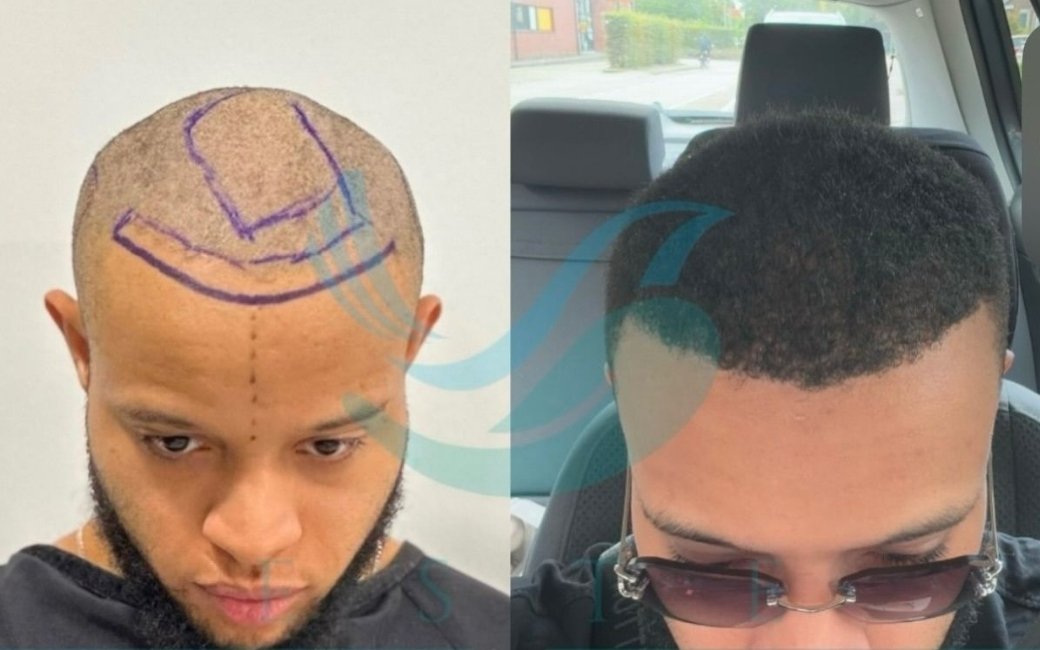
How Traction Alopecia Develops
Traction alopecia is a mechanical injury to the hair follicle. When hair is pulled tight and held under tension for hours at a time, day after day, the constant strain gradually damages the follicles at the points of greatest pull, usually the frontal hairline and the temples. In the early stages the loss is reversible: reduce the tension and the hair recovers. But repeated over months and years, the follicles are damaged beyond recovery and stop producing hair altogether.
The pattern is distinctive. It typically shows up as thinning or recession along the hairline and around the temples, often with a fringe of retained hair right at the very edge in some cases. It is most associated with hairstyles that place sustained tension on the roots: tight braids, cornrows, sewn in weaves, high ponytails, buns, and extensions. It affects women disproportionately because these styles are more common among them, and it is a frequent concern for patients with textured hair who wear protective styles regularly.
The critical thing to understand is the window. Traction alopecia caught early can often be reversed simply by changing styling habits and giving the follicles a rest. Once the follicles are scarred and dormant, however, that window has closed, and surgical restoration becomes the only way to rebuild the hairline. Recognizing the difference early can save the hair; recognizing it late means the transplant conversation.
When a Transplant Is the Right Answer
A hair transplant for traction alopecia is appropriate under a few specific conditions, and a responsible clinic checks all of them before proceeding.
First, the condition must have stabilized. If the tension is ongoing, a transplant would place new grafts into an environment that is still actively damaging follicles, undermining the result. Patients need to have moved away from the styles that caused the problem before surgery makes sense. Second, the donor area at the back and sides of the scalp must be healthy and unaffected by the traction, which it usually is since tension damage concentrates at the hairline. Third, the loss must be genuinely permanent rather than in the recoverable early phase, which requires proper assessment to distinguish.
This last point is where honesty matters. A patient whose traction alopecia is still in the reversible stage should be advised to change their styling and allow recovery, not sold a surgery they do not yet need. Este Favor assesses whether the follicles are truly dormant before recommending a transplant, because restoring a hairline that could have recovered on its own serves no one.

What the Procedure Involves
Restoring a hairline lost to traction alopecia uses the same core techniques as any hairline transplant, with particular attention to the natural, soft design that a hairline demands.
Healthy follicles are extracted from the donor area at the back and sides of the scalp, where the hair is genetically resistant to loss and unaffected by the tension that damaged the hairline. These grafts are then implanted along the receded hairline and temples to rebuild the lost density and shape. Because the hairline is the most visible and most artistically demanding zone in all of hair restoration, the design of the new hairline is everything. It has to sit at the right height, follow the right curvature, and, crucially, place individual hairs at the correct fine angle so the result looks grown rather than drawn.
DHI is often favored for hairline work because the implanter pen gives precise control over the angle and direction of each graft, which is exactly what a natural frontal hairline requires. For patients with textured hair, the curl adds a further layer of complexity that a specialist must account for. Este Favor rebuilds tension damaged hairlines using its Natural Angle Design Technique, and reserves the critical channel opening stage for the surgeon alone under the Doctor-Only Channel Opening Protocol, since the angle of each site determines whether the restored hairline looks believable.
The Textured Hair Connection
Because traction alopecia is so often linked to protective styles worn on textured hair, many patients seeking this restoration have coily hair, and that brings the curved follicle challenge into play. Afro textured follicles follow a curved path beneath the scalp that standard tools handle poorly, so extraction requires specialized curved tooling to avoid damaging grafts.
There is also a heightened keloid consideration for patients of African descent, which makes a gentle, low trauma approach important both at the donor site and along the restored hairline. A clinic restoring a traction damaged hairline on textured hair therefore needs to combine hairline design expertise with genuine coily hair experience. Este Favor brings both together, applying its Curved Follicle Protocol to protect coily grafts during extraction while using the Natural Angle Design Technique to rebuild a soft, natural frontal hairline.

Recovery and Realistic Expectations
Recovery follows the familiar pattern of any modern hair transplant. Mild swelling and redness settle within the first week, crusts around the grafts shed within roughly ten days, and the transplanted hairs go through a normal shedding phase in the first weeks before permanent growth begins.
For hairline restoration, early regrowth generally appears around months three to four, with meaningful density by months six to nine and full results at roughly twelve months, or a little longer for textured hair. The transformation from a receded, patchy hairline to a restored one is gradual, so patience through the timeline is essential.
The most important part of the aftercare conversation for traction alopecia patients is not the surgery itself but what happens next. If a patient returns to the same high tension styles that caused the original loss, they risk damaging the donor hair and undermining the restoration. Protecting the result means adopting lower tension styling permanently. Este Favor includes this guidance as part of aftercare and monitors healing remotely through its Post-Op Digital Monitoring System, so patients stay supported through both the recovery and the transition to healthier styling habits.
The Emotional Weight of Hairline Loss
It is worth acknowledging something that clinical descriptions tend to skip: losing a hairline to traction alopecia carries a particular kind of frustration. Unlike genetic hair loss, which feels like something that happened to you, traction alopecia can feel like something you did to yourself, often through styles that were part of cultural identity, professional presentation, or simply years of habit. That combination of visible loss and self blame can weigh heavily.
For many patients, the hairline is also deeply tied to how they present themselves to the world. Recession at the temples and frontal edge changes the frame of the face in a way that is hard to disguise, and the styles that might once have hidden it are frequently the same high tension styles that caused the damage in the first place. This can leave people feeling boxed in, unable to style their way out of a problem their styling created.

A well planned restoration addresses more than the physical hairline. Rebuilding the frontal edge with natural, believable density gives patients back the framing of their face and, with it, a measure of confidence that thinning had quietly eroded. The key word is believable: a hairline restored with careful angle and conservative design looks grown, not planted, which is what allows patients to move on from the loss rather than trading one visible problem for another. Este Favor treats this artistic side of the work as seriously as the surgical side, because for traction alopecia patients the goal is not just hair, it is the restoration of a natural frame they can wear with ease.
Prevention Is Still the Best Medicine
It would be incomplete to discuss traction alopecia without stressing prevention, because the best outcome is never needing the surgery at all. Loosening tight styles, alternating protective styles with rest periods, avoiding constant tension on the same points of the hairline, and catching early thinning before it becomes permanent can all preserve the natural hairline.
For anyone currently noticing thinning at the temples or hairline from tight styling, the message is urgent but hopeful: change the habit now, while the follicles may still recover. A transplant is a genuine solution when the damage is done, but avoiding the damage in the first place is always better. Este Favor is happy to assess whether a patient is still in the recoverable window and advise accordingly rather than defaulting to surgery.
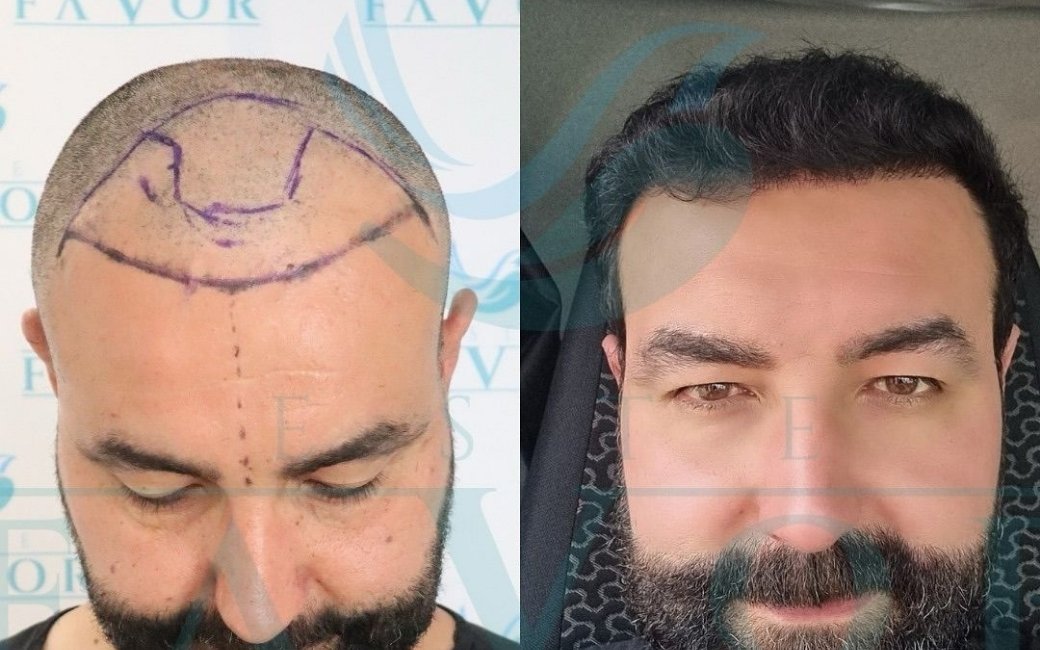
Confirming the Diagnosis Before Surgery
One step that separates careful restoration from rushed surgery is proper confirmation of the diagnosis, because a receding hairline can have more than one cause, and the treatment differs depending on which is at work. Traction alopecia has a characteristic pattern tied to the points of greatest tension, but it can coexist with other forms of hair loss, and telling them apart matters.
A patient wearing tight styles might have traction damage at the hairline while also developing pattern hair loss further back, or a scarring condition that needs medical rather than surgical management. Transplanting into a scarring alopecia that is still active, for instance, would waste grafts because the underlying process would continue to attack the follicles. This is why a thorough assessment looks at the whole scalp, the history of styling, the pattern of loss, and the health of the donor area before committing to surgery.
Getting this right protects the patient from a disappointing outcome and ensures the grafts are placed where they will actually thrive. Este Favor treats diagnosis as the foundation of the plan rather than a formality, confirming that the loss is genuinely stable traction damage with a healthy donor zone before recommending restoration. When the picture is more complicated, the honest path is to say so and address the underlying condition first, because a transplant only succeeds when it is placed into stable ground.
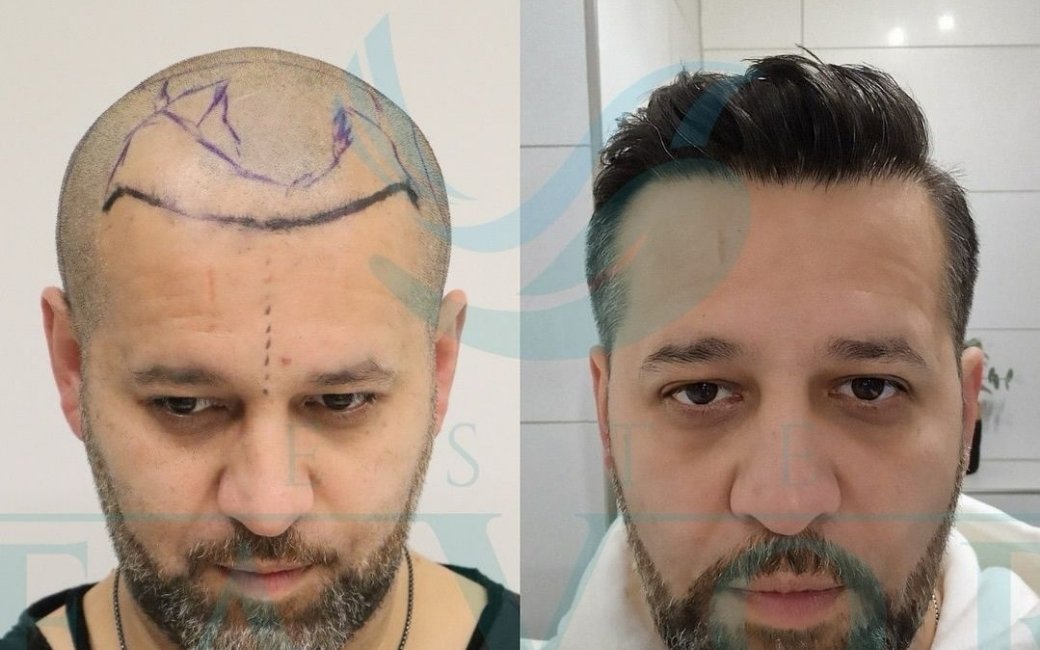
How Este Favor Approaches Traction Alopecia Restoration
Traction alopecia restoration sits at the intersection of two things a clinic has to get right: artistic hairline design and, very often, textured hair expertise. Getting either one wrong ruins the result. Este Favor built its practice to handle both, which is what makes it a natural home for patients rebuilding a tension damaged hairline in 2026.
The clinic’s proprietary protocols address this work directly. A soft, believable hairline is designed with the Natural Angle Design Technique. Coily grafts are protected during extraction with the Curved Follicle Protocol. The critical channel opening stage is performed only by the surgeon under the Doctor-Only Channel Opening Protocol. Donor planning uses ai Hair Mapping, survival is supported by the Precision Extraction System and the Fibroblast Supported Healing System, and recovery is tracked with the Post-Op Digital Monitoring System. Combined with honest assessment of whether surgery is even needed yet, this is what defines Este Favor’s approach to traction alopecia restoration.
A hairline lost to years of tension does not have to be permanent, but restoring it well takes both artistry and the right expertise for your hair type. If you have watched your hairline recede from tight styling, the first step is an honest assessment of whether the loss is permanent and, if so, how best to rebuild it.
