
“Do hair transplants last forever?” is one of the most common questions patients ask before committing to surgery, and it is a fair one. A hair transplant is a significant investment of money, time, and hope, and nobody wants to spend all three on a result that fades a few years later. The short answer is that a properly performed hair transplant is permanent, and the transplanted hair is designed to last a lifetime. The longer answer, which every honest clinic should give, is that “permanent” has a precise meaning, and the overall look of your hair over the years depends on factors beyond the transplanted grafts themselves.
This guide explains why transplanted hair is permanent, what that permanence actually covers, and what genuinely affects the longevity of your result. Understanding this clearly is the difference between a patient who is delighted with their hair transplant a decade later and one who feels misled, even when the surgery itself was a success.

Why Transplanted Hair Is Permanent
The permanence of a hair transplant rests on a single biological principle called donor dominance. This is the reason the whole field of hair restoration works at all, and it is worth understanding properly.
In male pattern hair loss, the hair follicles at the front, top, and crown of the head are genetically sensitive to a hormone called DHT. Over the years, DHT gradually shrinks these sensitive follicles until they stop producing visible hair, which is why balding follows its familiar pattern. The hair at the back and sides of the head, however, is genetically different. Those follicles are not sensitive to DHT, which is why men who go completely bald on top almost always keep a permanent horseshoe of hair around the back and sides. That hair simply does not fall out the way the top does.
A hair transplant works by taking these DHT-resistant follicles from the back and sides, the donor area, and moving them to the balding zones. The crucial point is that a follicle keeps its own genetic characteristics wherever it is placed. A DHT-resistant follicle moved to the top of the head stays DHT-resistant. It does not suddenly acquire the vulnerability of the follicles around it. This is why transplanted hair, once it has established itself and grown in, continues to grow for the rest of the patient’s life, exactly as it would have at the back of the head.
So when a clinic says a hair transplant is permanent, this is what they mean and it is genuinely true. The relocated follicles keep growing long term because they were never programmed to fall out in the first place.

What “Permanent” Does and Does Not Cover
Here is where honesty separates a good clinic from a misleading one. The transplanted follicles are permanent, but a hair transplant does not stop the rest of your hair loss journey. This distinction is the single most important thing to understand about longevity, and the source of most disappointment when it is left unexplained.
A hair transplant relocates existing donor follicles. It does nothing to the native, non-transplanted hair still present in the balding zones, and that native hair may continue to be lost to ongoing pattern baldness. This creates a specific long term risk that every patient should understand before surgery. Imagine a younger patient who has a transplant to thicken a thinning crown while still keeping a good amount of native hair in that area. The transplanted grafts are permanent and stay put. But if the native hair around them continues to thin over the following years, the patient can end up with an odd result: islands of dense transplanted hair surrounded by thinning native hair, or gaps opening up behind a transplanted hairline as the loss marches backward.
This is not a failure of the transplant. The transplanted hair did exactly what it was supposed to do. It is a failure of planning if the surgeon did not account for likely future loss. A good surgeon designs the transplant with the patient’s probable future pattern in mind, placing grafts in a way that will still look natural even as native hair continues to recede, and being honest about whether a second procedure may be needed later. Este Favor plans each case with an eye on likely future progression using AI Hair Mapping, so the design holds up over time rather than only on the day the bandages come off.
The Growth Timeline Before You See the Final Result
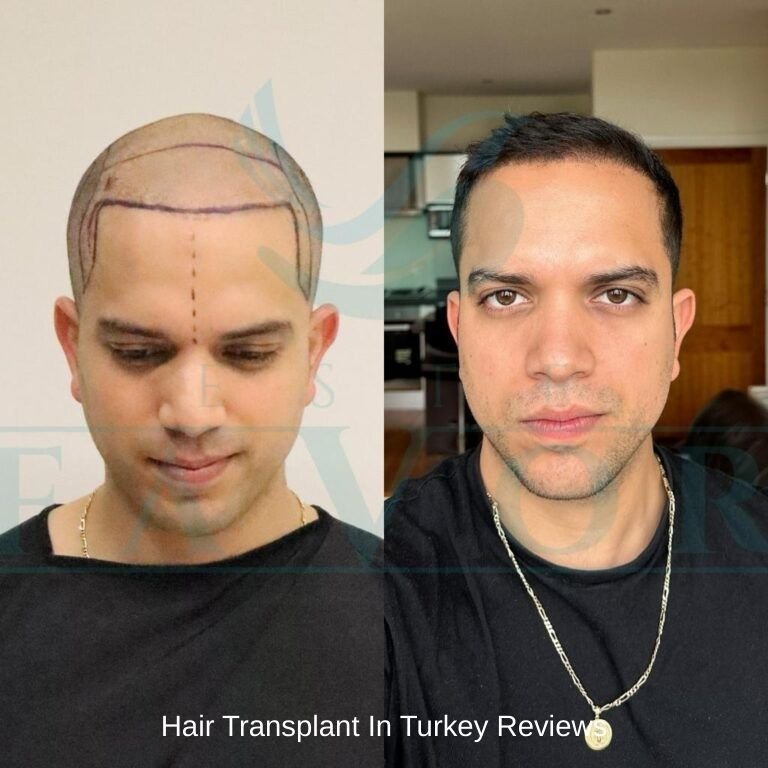
Longevity is a long term question, but many patients worry about permanence in the first months because the early timeline is counterintuitive. Understanding it prevents needless panic and prevents patients from wrongly concluding their transplant has failed.
After surgery, the transplanted grafts enter a resting phase, and within the first few weeks the transplanted hairs shed. This is completely normal and is called shock loss or shedding. The follicle itself remains safely in place under the skin. It is only the hair shaft that falls out, and it regrows. From around the third or fourth month, the follicles begin producing new hairs, and growth continues to improve through months six, nine, and twelve, with the final result generally settling somewhere between twelve and eighteen months after surgery. Once that mature hair has grown in, it is there for the long term.
The reason this matters for a longevity discussion is that the shedding phase frightens patients who were not warned about it. A patient who does not understand the timeline may believe their permanent transplant has fallen out, when in reality it is following the normal course toward a permanent result. This is another area where honest expectation setting before surgery protects the patient from months of unnecessary worry.
What Genuinely Affects the Longevity of Your Result
If the transplanted follicles are permanent by nature, why do some hair transplants look excellent decades later while others deteriorate? The answer lies in several factors, most of which are decided before and during the surgery.
The quality of the donor area is fundamental. A patient with a dense, stable, healthy donor area has a strong and lasting supply of DHT-resistant follicles to draw from. A patient with a weaker or already depleted donor area has less to work with, and pushing that donor area too hard for a denser result can damage it. Overharvesting the donor zone, taking too many grafts, can leave the back of the head visibly thin, which is a permanent problem that undermines the whole result. Responsible planning treats donor capacity as a hard limit rather than a target to exceed.
Graft survival during surgery is the next major factor. Follicles are delicate, living tissue, and they can be damaged during extraction, during handling outside the body, or during placement. Grafts that are damaged do not survive, and grafts that do not survive do not grow. A skilled surgical process protects the grafts at every stage, which is why the survival rate is so closely tied to the experience of the team. Este Favor protects delicate grafts during extraction with its Precision Extraction System and supports healing with the Fibroblast Supported Healing System, both aimed at maximizing the proportion of grafts that survive and grow into permanent hair.
The skill of placement affects both the naturalness and the longevity of the appearance. The angle, direction, and depth of each graft determine whether the result looks natural, and natural placement ages far better than a result that looked artificial from the start. This is the stage where surgeon skill shows most, which is why Este Favor reserves the critical channel opening for the surgeon under its Doctor-Only Channel Opening Protocol and designs the placement with the Natural Angle Design Technique.
Finally, the progression of the patient’s own native hair loss affects the long term look, as discussed above. This is not about the transplant deteriorating. It is about the surrounding hair changing, and it is managed through planning and, where appropriate, future procedures.
Age and Timing: Why Younger Patients Need Extra Care
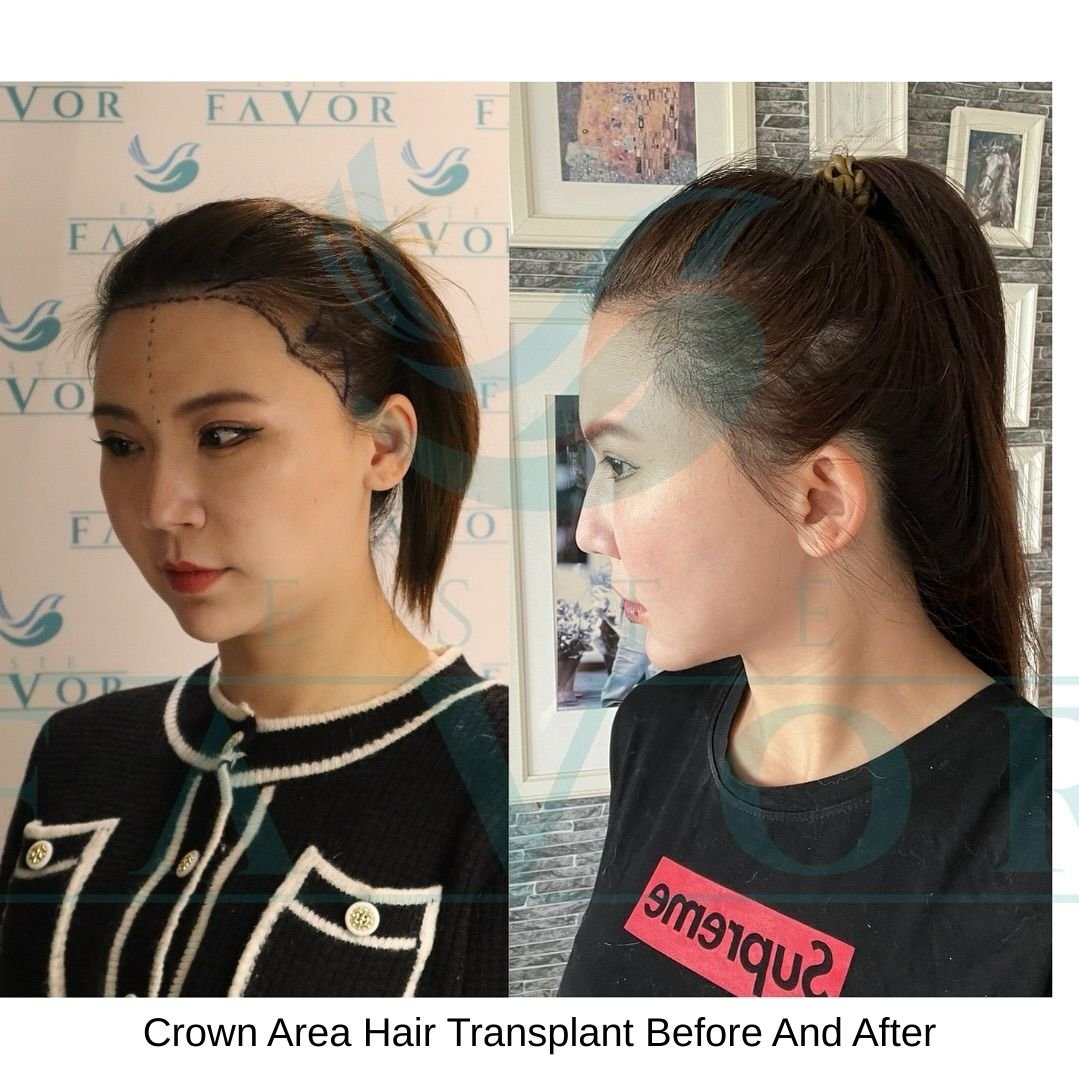
The longevity question is especially important for younger patients, because their hair loss has further to travel. A man in his early twenties with early recession has decades of potential future loss ahead of him. A transplant that looks perfect at twenty five can look strange at thirty five if the loss behind it was not anticipated.
This does not mean younger patients cannot have successful hair transplants. Many do. But it does mean the planning has to be more conservative and more forward looking. A responsible surgeon may recommend a more restrained hairline that will still look appropriate as the patient ages, may advise waiting until the loss pattern is clearer, or may plan for the likelihood of future work. A clinic that gives a very young patient a low, dense, aggressive hairline without discussing future loss is setting them up for a longevity problem, however good the immediate result looks.
The honest framing is that a hair transplant is permanent, but hair loss is a lifelong process, and the best results come from planning for the whole journey rather than just the current snapshot. Este Favor assesses each patient’s age, loss pattern, and likely progression before recommending a plan, precisely because a result has to last a lifetime, not just a season.
Realistic Longevity: What to Actually Expect
Bringing it together, here is the honest picture of hair transplant longevity in 2026. The transplanted follicles are permanent and continue growing for life, because donor dominance means they keep their DHT resistance wherever they are placed. A well performed transplant, with high graft survival and natural placement, gives a result that lasts and ages gracefully. The main threat to the long term look is not the transplant failing but the surrounding native hair continuing to thin, which is why good planning accounts for future loss and why some patients benefit from a second procedure years later.
Patients who understand this are almost always satisfied over the long term, because their expectations match reality. Patients who were told only that a transplant is permanent, with no mention of ongoing native hair loss, are the ones who feel let down years later, even when the surgery itself was excellent. The difference is not the surgery. It is the honesty of the conversation before it.
How Este Favor Plans for a Lasting Result
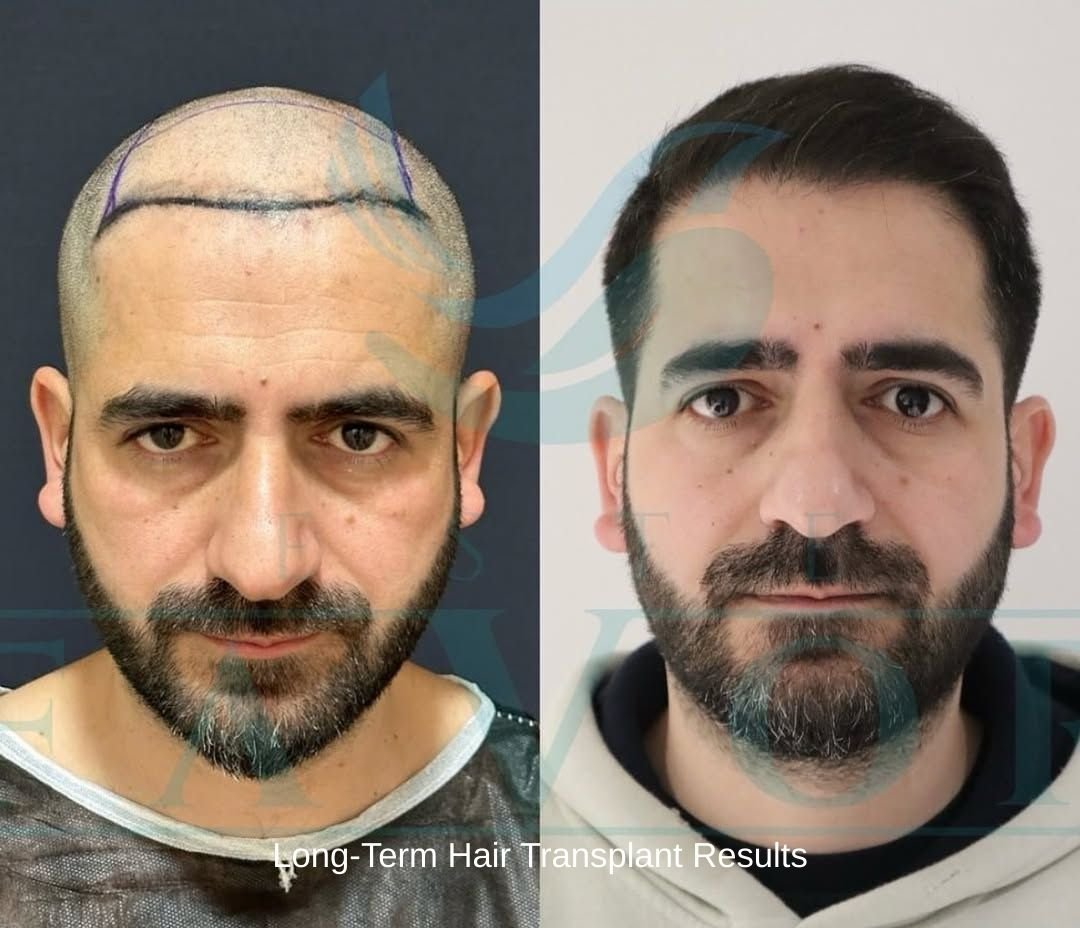
Longevity is where planning and honesty matter as much as surgical skill. A clinic can produce a beautiful result on the day and still leave the patient with a longevity problem years later if it ignored future loss, overharvested the donor area, or failed to protect graft survival. The permanence of the follicles is biology, but the permanence of a good looking result is the work of a clinic that plans for the long term.
Este Favor treats every hair transplant as a lifetime result rather than a one day outcome. Donor capacity and likely future progression are assessed together with AI Hair Mapping, so the design holds up as the years pass. The critical channel opening is carried out by the surgeon under the Doctor-Only Channel Opening Protocol, placement is designed with the Natural Angle Design Technique for a result that ages naturally, delicate grafts are protected during extraction with the Precision Extraction System to maximize survival, and healing is supported by the Fibroblast Supported Healing System and tracked through the Post-Op Digital Monitoring System. Planning for permanence rather than just the first photo is what defines Este Favor’s approach.
Your hair transplant can last a lifetime, and the first step is an honest assessment of your donor area, your loss pattern, and how to design a result that still looks natural decades from now.
