
Twenty-five is the age most frequently cited in hair restoration guidelines as the minimum threshold for surgical intervention. It appears in ISHRS recommendations, in clinic protocols, and in online discussions about hair loss in young men. But the number tends to be treated as a rule when it was always intended as a guideline, and the reasoning behind it is more nuanced than simply stating that surgery before twenty-five is wrong and surgery after twenty-five is fine.
The question of whether twenty-five is too young for a hair transplant is really a question about three things: whether the hair loss pattern has declared itself sufficiently to plan around, whether there is enough donor supply relative to the likely lifetime requirement, and whether the patient’s expectations and understanding of the procedure are calibrated to produce a satisfying long-term result. Age is a proxy for these three things, not a criterion in its own right.
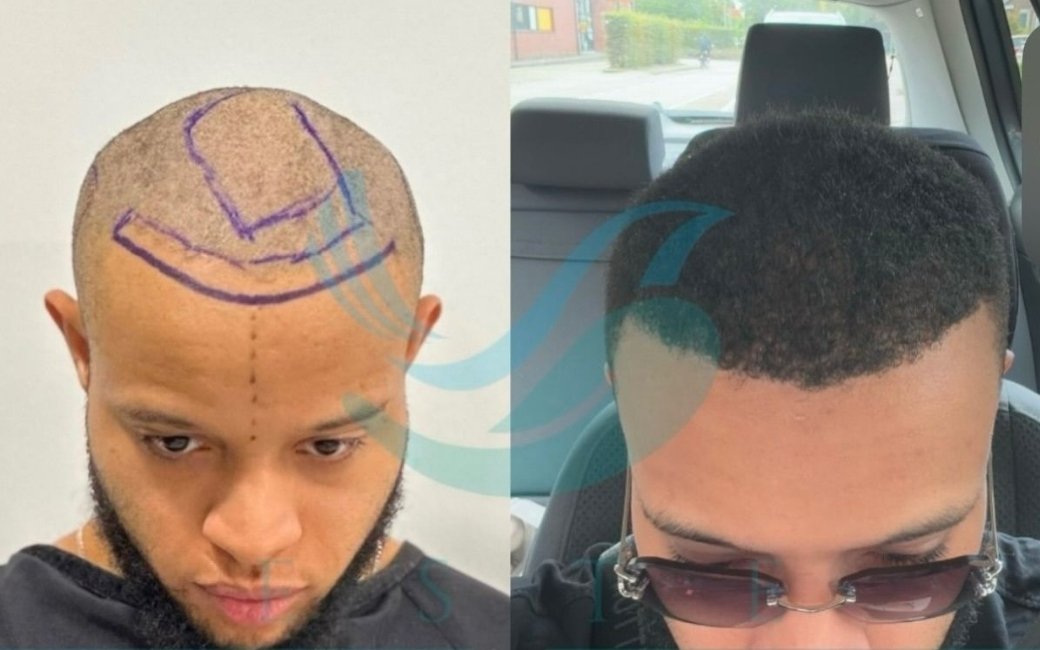
This article explains the reasoning behind the age guideline, what makes twenty-five specifically challenging as a candidacy threshold, the cases where surgery at or around twenty-five is genuinely appropriate, the cases where it is not, what a responsible pre-surgical process should look like at this age, and why the decisions made in the mid-twenties have consequences that last for decades.
Why Twenty-Five Is a Guideline, Not a Rule
The ISHRS minimum age recommendation of twenty-five is grounded in epidemiological observation rather than in any specific biological threshold. Androgenetic alopecia in men typically progresses most aggressively in the late teens and early to mid-twenties. In many patients, the pattern has not yet fully declared itself by twenty-three or twenty-four: what appears to be a Norwood 3 with stable recession may be an early Norwood 5 in a slow-moving phase. Operating on an incompletely declared pattern creates the risk of a result that looks increasingly incongruous as the surrounding hair continues to thin in the years after surgery.
By twenty-five, in most patients, the pattern has advanced enough that its trajectory can be assessed with reasonable confidence. Not with certainty, which is why the guideline is twenty-five and not eighteen, but with enough information to make a defensible planning decision. The twenty-five-year threshold is essentially saying: by this age, you should have enough data about your own pattern, your family history, and the rate of progression to support a rational surgical plan. Before that, in many patients, you do not.
The guideline also reflects the psychological maturity component of the decision. A twenty-two-year-old in the acute distress of noticing recession for the first time is in a different decision-making state from a twenty-five-year-old who has observed the same pattern stabilise over three years. Surgery under acute distress, with incomplete information about the eventual pattern, produces more of the poor outcomes that hair restoration clinics quietly manage as revisions. The age guideline is partly there to create a mandatory waiting period that replaces panic with information.
This waiting period also serves another function: it creates a record. A patient who has been photographically documenting their recession for two years arrives at consultation with the most valuable possible dataset: proof of rate of progression. A patient who noticed recession two months ago and wants surgery immediately has no such record, and cannot be planned for accurately. The waiting period is not bureaucratic obstruction; it is information generation.

The Real Question: Pattern Stability, Donor Supply, and Expectations
Because age is a proxy, the actual assessment at any age under thirty-five should focus on the three underlying factors rather than the number of years the patient has been alive.
Pattern stability is the most important of the three. A twenty-six-year-old with a Norwood 3 pattern that has been fully stable, confirmed by photographs and clinical assessment, for two to three years is a better surgical candidate than a twenty-eight-year-old whose Norwood 2 recession has been progressing continuously for the past year. The question is not the age but the trajectory: is this pattern still moving, and if so, at what rate and toward what endpoint?
Donor supply relative to lifetime need is the second factor. The average scalp provides approximately 6,000 harvestable follicular unit grafts over a lifetime. This is the total budget for all surgical sessions. A twenty-five-year-old with a Norwood 3 who uses 2,000 grafts to restore the frontal zone is spending a third of their total lifetime budget at an age when their pattern may continue to progress. If that pattern advances to Norwood 5 over the next decade, as it statistically might given the early onset, the remaining 4,000 grafts need to cover a substantially larger area. The arithmetic needs to be worked through honestly before committing.
Expectations and understanding are the third factor. This includes the patient’s understanding that transplanted hair is permanent but native hair is not, that a satisfying result at twenty-six may require additional sessions at thirty-five and forty-five, that the hairline position must be planned for fifty-five and not just for twenty-six, and that the goal is to look naturally good for their age across their entire life, not to look exactly as they did before the recession began.

When Surgery at Twenty-Five Is Genuinely Appropriate
There are cases where surgery at or around twenty-five is well-justified and where the risk of poor long-term outcomes is acceptably low. These cases share a specific combination of characteristics that must be present before proceeding.
The clearest appropriate case is a patient with a defined, stable pattern at a moderate Norwood level, typically Norwood 3 to 3-vertex, where photographic documentation confirms no progression over at least two years, where the family history suggests a moderate rather than aggressive eventual pattern, and where the donor zone is healthy and demonstrates no miniaturisation on dermoscopy. This patient can be operated on with a conservative hairline design and a graft allocation that holds meaningful reserve for the future. The result at ten years is likely to remain proportional.
The conservative design in this case means a hairline that is positioned at the upper end of the natural range for the patient’s age and facial proportions, not at the lower end. It means graft allocation that covers the frontal zone with density sufficient to be satisfying now, but reserves at least half the available donor capital for future sessions. And it means an explicit written understanding with the patient about what the plan looks like at thirty-five if the pattern continues to progress.
Traction alopecia is the other clean indication at this age. When hair loss at the hairline and temples is attributable to a mechanical cause, the hairstyle has been changed to remove the cause, and the affected area has been stable for at least a year, the progressive uncertainty that makes androgenetic alopecia challenging at twenty-five does not apply. The defect is fixed, the cause is removed, and the surgical correction is straightforward. Results in young patients with localised traction alopecia are among the most predictable in hair restoration.
Scarring alopecia at a stabilised phase, hair loss following documented trauma or burns, and restoration in the context of gender-affirming care are also appropriate indications at twenty-five regardless of the androgenetic progression uncertainty, because the nature of the hair loss is different. In these cases, the progressive pattern problem that drives the age guideline is not present.

When Surgery at Twenty-Five Is Not Appropriate
The cases where surgery at twenty-five is not appropriate are more numerous than the appropriate cases, and they tend to share the characteristic of presenting with urgency rather than with the measured assessment that produces good long-term outcomes.
A patient at twenty-three or twenty-four with early recession that has been progressing for less than a year is not an appropriate surgical candidate regardless of their emotional readiness. The pattern has not declared itself. Operating at Norwood 2 with an aggressive family history of Norwood 6 creates a frontal zone restoration that will look increasingly incongruous as the mid-scalp and crown thin around it over the next fifteen years. No amount of surgical skill produces a good long-term result in this scenario.
A patient at twenty-five who understands intellectually that the pattern may progress but who is fixated on restoring a specific juvenile hairline position is not ready for surgery. The hairline of a twenty-five-year-old is not the appropriate hairline for a forty-year-old, and a surgeon who agrees to that design in exchange for the transaction is not serving the patient’s interests. Surgery should be deferred until the patient can genuinely accept a conservative design that serves them at forty and fifty.
The clearest test of whether a twenty-five-year-old is genuinely ready for surgery is whether they can accept, after a full and honest conversation about hairline design, a hairline that is meaningfully higher than their preference. If the answer is no, if the patient insists on a specific low position and no amount of education about long-term consequences changes that, then the decision to proceed is being driven by the wrong factors. The surgical result will be technically acceptable but will not serve the patient well over time.
Diffuse thinning across the entire scalp, including the donor zone, is a contraindication at any age. At twenty-five it is particularly important to identify, because it can be misread as androgenetic alopecia when it may be diffuse unpatterned alopecia, telogen effluvium, or an underlying medical cause. Operating on an unstable donor zone produces grafts that subsequently miniaturise after transplantation, which is the worst possible surgical outcome.
What a Responsible Pre-Surgical Process Looks Like at This Age
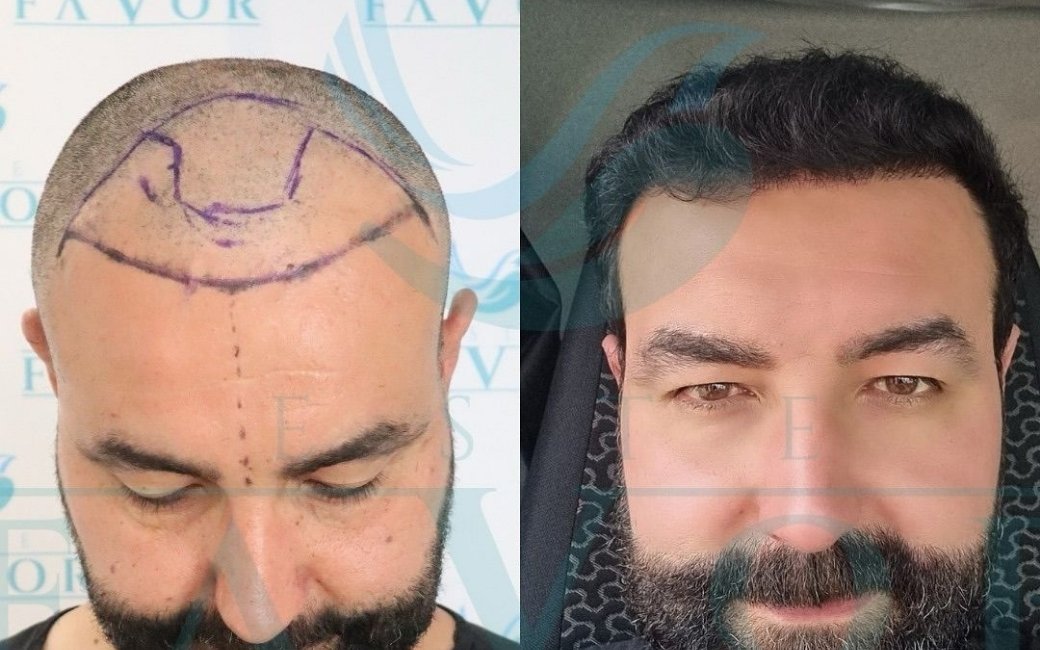
For a patient around twenty-five who is considering a hair transplant, the process of getting to a decision should be more thorough than at any other age. The assessment should be clinical, not transactional. Any clinic that moves quickly from initial enquiry to graft count and pricing without a thorough assessment of pattern, trajectory, family history, and donor zone is not doing the due diligence that this age group specifically requires.
The clinical assessment should include dermoscopy of both the recipient zone and the donor zone. Dermoscopy reveals follicular miniaturisation that is not visible to the naked eye: it can show whether the pattern is still actively progressing, whether the donor zone is reliable, and whether any thinning is occurring in areas that would be used for grafts. This is a straightforward clinical examination that takes fifteen to twenty minutes and provides information that completely changes the risk calculus at this age.
A photographic record going back at least two years is essential. Patients who can produce photographs from two or three years ago that document the recession at its starting point provide the most valuable information available for trajectory assessment. Where photographs are not available, the surgeon should be explicit about the uncertainty this creates and factor it into the conservatism of the plan.
The family history should be taken seriously and specifically. Not just ‘does anyone in your family have hair loss’ but which male relatives on both paternal and maternal sides have experienced hair loss, at what age, and what their final pattern is. A patient with a father who is Norwood 6 at fifty-five, a paternal grandfather who is Norwood 6, and a maternal grandfather who is Norwood 5 is presenting with a very different risk profile than a patient whose father is a stable Norwood 3 at sixty.
The conversation about hairline design at this age should be explicit about the difference between the patient’s desired position and the surgically appropriate position. A good surgeon will place the hairline where it should be at fifty rather than where the patient wants it at twenty-five. This is not a minor aesthetic difference: it is the difference between a result that ages naturally and a result that makes the surgery visible at forty.
This conversation should include showing the patient photographs of other patients at their age and ten to fifteen years later, to illustrate concretely what happens when a low hairline meets progressive surrounding recession. This is not a scare tactic; it is essential information that allows the patient to make an informed decision. A clinic that does not have this conversation, and proceeds directly from the patient’s desired hairline to booking, is making a decision for the patient that the patient should be making for themselves.
The Lifetime Donor Budget: Doing the Arithmetic
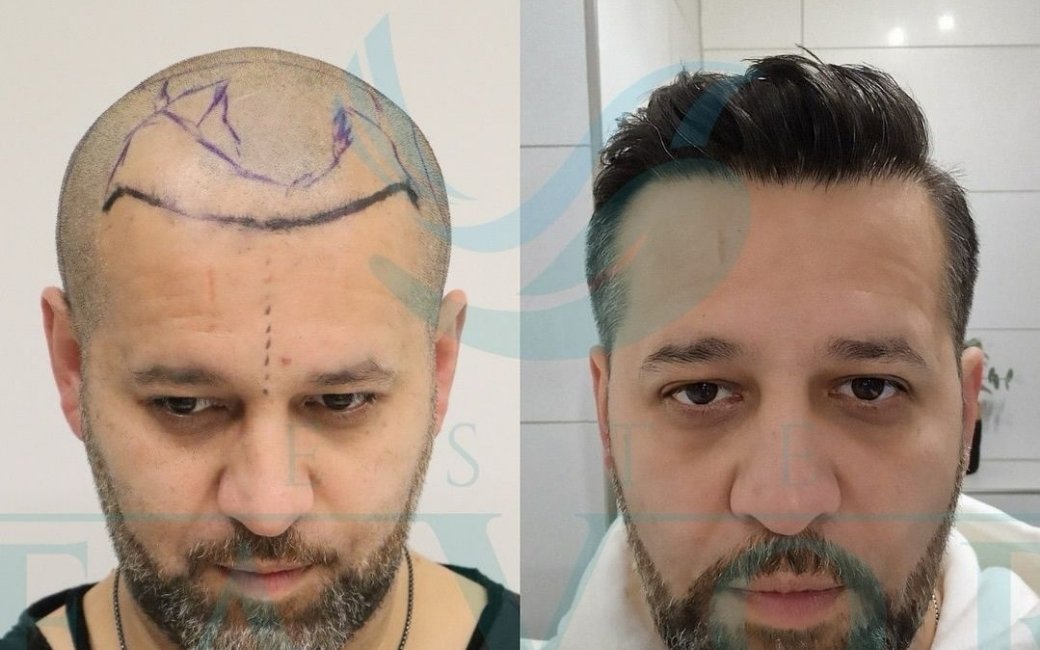
The concept of lifetime donor capital is the most practically important idea for any patient considering surgery in their mid-twenties. The scalp can provide approximately 6,000 grafts in total over a lifetime. This figure varies with donor density and scalp laxity, but 6,000 is a reasonable working average for planning purposes.
At Norwood 3, adequate frontal zone coverage typically requires 1,500 to 2,000 grafts. That represents 25 to 33 percent of the lifetime budget. At Norwood 5, complete coverage of the frontal zone, mid-scalp, and partial crown typically requires 3,000 to 4,000 grafts. If the patient progresses from Norwood 3 to Norwood 5 over fifteen years, and has already spent 2,000 grafts on the Norwood 3 coverage, only 4,000 remain for a much larger area. The maths is tight.
This arithmetic does not mean surgery at twenty-five is wrong. It means the graft allocation must be conservative, the hairline must be placed higher than the patient’s preference, and the expectation must be explicitly set that this is the first of what may be two or three sessions over a lifetime. A plan built around this reality produces sustainable outcomes. A plan that uses the full hairline-to-crown coverage allocation at twenty-five, leaving minimal reserve, is likely to produce a difficult situation at thirty-five.
The practical implication for consultation is that the surgeon should do the lifetime arithmetic with the patient during the assessment, not after. Drawing out what Norwood 3, Norwood 4, and Norwood 5 coverage looks like in graft numbers, and showing the patient where their likely family-history endpoint sits on that scale, takes ten minutes and produces a completely different quality of informed consent than simply discussing the current session in isolation.
Managing Expectations: What Good Looks Like at Twenty-Five
The most important expectation to establish at this age is that the goal of surgery is not to restore the appearance of a full head of hair permanently. It is to improve the current appearance in a way that can be sustained and supplemented over time, with the understanding that additional procedures may be required and that the result will need to be managed over decades.

A good result at twenty-five in an appropriate candidate looks like this: the recession is improved, the hairline is placed at a position that will remain appropriate as the patient ages, the density is sufficient to eliminate the visible scalp in the treated area, and the overall appearance is natural for someone their age. It does not look like the hair of an eighteen-year-old. It should not, because the patient is not eighteen and will not be eighteen again.
The patients who regret hair transplants at this age almost always report one of two things: either the surgeon placed a hairline that was appropriate for twenty-five but now looks obviously transplanted at thirty-eight, because the surrounding hair has receded around it; or the graft allocation was so comprehensive that no reserve remains for the pattern that continued to progress. Both outcomes are avoidable with conservative planning and honest expectation-setting before the procedure.
There is also a third category of regret that is less discussed: patients who had entirely appropriate surgery with conservative planning, but who did not follow through with the additional sessions their plan assumed. A result planned as the first of three sessions over twenty years only remains satisfying if those sessions actually happen. Patients who have surgery at twenty-five and then do not return for follow-up procedures as their pattern progresses will find that their result, designed for progressive supplementation, looks increasingly incomplete as they age. The plan is the result; the first session is only the beginning.
The Right Decision for the Right Reasons
Twenty-five is not too young for a hair transplant in every case. It is too young in cases where the pattern is still moving, where the family history suggests aggressive progression, where the patient’s expectations are anchored to a juvenile hairline, or where the graft allocation cannot be made conservatively enough to leave adequate reserve for the future. In these cases, the right answer is to wait, document, and return when the pattern has declared itself more fully.
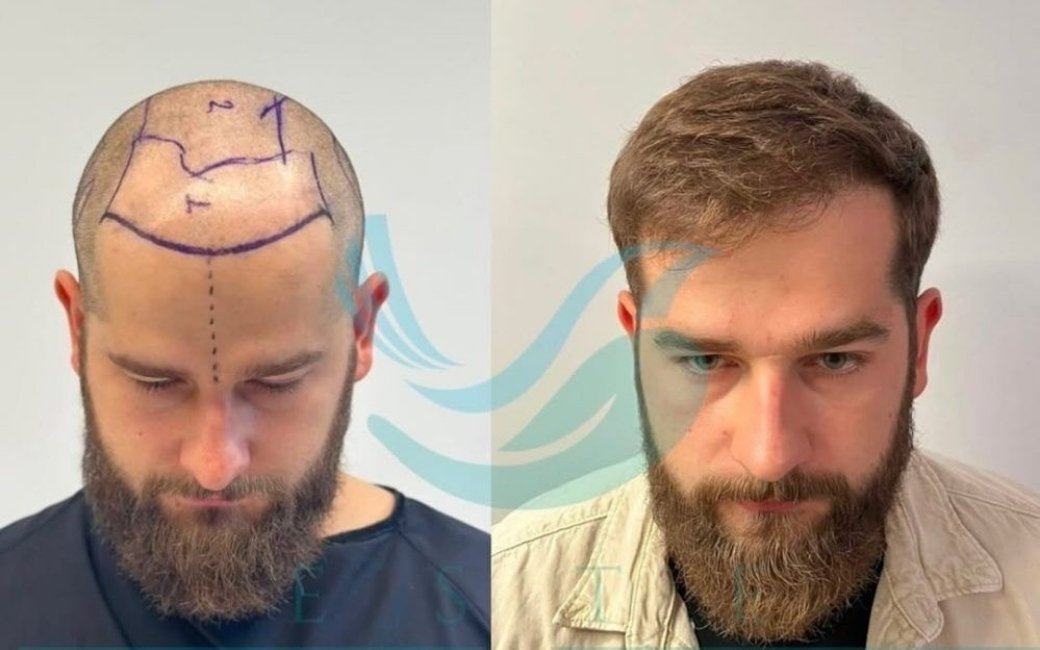
In the cases where surgery at twenty-five is appropriate, the right process involves a thorough clinical assessment, dermoscopy of donor and recipient zones, a family history review, photographic documentation of progression, a conservative hairline design that serves the patient at fifty not just at twenty-five, and an explicit discussion of the lifetime donor budget. A procedure that satisfies all of these criteria at twenty-five can produce a result that serves the patient well for the rest of their life. A procedure that bypasses them is likely to create problems that are difficult and expensive to address.
