
Most American patients who research hair transplants in Turkey go directly from online research to contacting Istanbul clinics. The intermediate step that many skip: seeing a board-certified US surgeon for a consultation before engaging with any Turkish provider: is one of the most consistently undervalued steps in the process.
This is not an argument for staying in the US. It is an argument for using the US healthcare system’s accessible, credentialed practitioners to get a baseline assessment that makes the Turkish selection process significantly more informed and the final outcome significantly more likely to meet expectations.
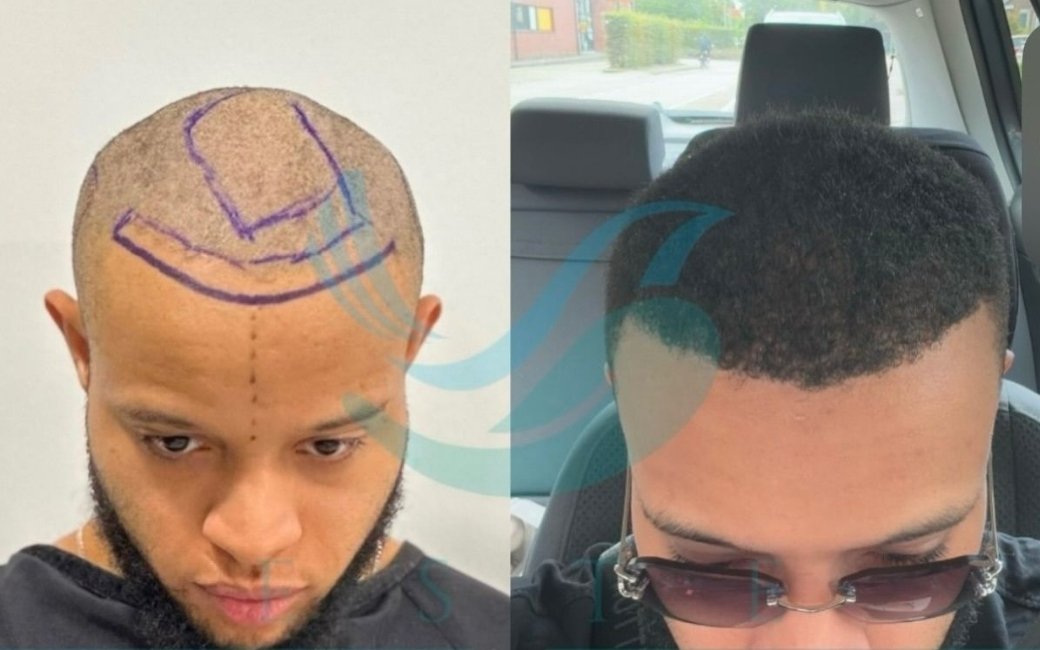
What a US Consultation Provides That Remote Research Cannot
A formal consultation with a board-certified US hair restoration surgeon produces several things that no amount of online research delivers:
Independent candidacy assessment. The most fundamental question before any hair transplant: anywhere: is whether the patient is an appropriate candidate for the procedure at the current stage of their hair loss. A US surgeon who examines the scalp in person can assess donor density, hair calibre, the degree and stability of the hair loss, the miniaturisation pattern of existing hair, and whether the patient’s expectations are aligned with what the procedure can achieve. This assessment requires physical examination, not photographs.
Patients who skip this step and go directly to Turkish clinics sometimes discover on arrival: or at the twelve-month result: that their candidacy assumptions were incorrect. Either the hair loss was not stable enough, the donor area was not as dense as expected, or the expectations for density were not achievable with the available supply.
An independent graft estimate. A US surgeon’s graft estimate, derived from direct scalp examination, provides a benchmark against which any Turkish clinic’s proposal can be compared. If an Istanbul clinic proposes 4,500 grafts and a US surgeon’s independent assessment suggested 2,500 to 3,000 for the same coverage goals, that discrepancy deserves a specific conversation with the Turkish clinic before any commitment.
The graft estimate from a US consultation does not need to match the Turkish proposal exactly: assessment methodologies differ, planning approaches differ, and some Turkish clinics genuinely plan differently from US practitioners. But a major unexplained discrepancy is a signal that warrants investigation.

A baseline for evaluating what Turkish clinics tell you. American patients who have had a US consultation enter the Turkish clinic evaluation process with a clinically grounded baseline. When a Turkish patient coordinator describes a proposed surgical plan, the patient can evaluate it against what a US specialist said about their case. This is not possible for patients who go directly from online research to Turkish clinic consultations.
Documentation for US follow-up. A US consultation produces a clinical record that documents the state of the patient’s hair and scalp before the procedure. This baseline record is useful for any US practitioner who might be involved in follow-up care after the patient returns from Turkey. A dermatologist assessing a post-operative concern, or a specialist providing a second opinion at twelve months, benefits from having this baseline documentation.
What US Consultations Actually Cost
The cost of a consultation with a board-certified US hair restoration surgeon ranges from $100 to $300 at most practices, with some offering free initial consultations. This is a small fraction of what any hair transplant will cost, in the US or Turkey, and it is money spent on the most foundational decision in the process.
Some US surgeons who offer free initial consultations are using the consultation primarily as a sales tool to convert the patient to a domestic procedure. This is legitimate business practice, but patients should be aware of it and use the consultation for information gathering regardless of the pitch that accompanies it.
What to tell the US surgeon: Be clear at the outset that you are gathering information to make an informed decision about where to have the procedure done and that you are considering international options. A good US surgeon will provide the same honest clinical assessment regardless of this disclosure. The assessment: graft count, candidacy evaluation, technique recommendation, hair loss progression assessment: is clinically grounded and valid whether or not the patient ultimately uses it to book a domestic procedure.

‘Hair Transplant in Turkey vs USA: What Americans Actually Get for the Price Difference‘ – how the clinical assessment provided by a US consultation compares to the remote assessment offered by Turkish clinics, and how American patients can use both to make the most informed possible decision.
Which US Practitioners to Consult
For the baseline assessment described above, the most useful US practitioners are:
ABHRS-certified hair restoration surgeons: The American Board of Hair Restoration Surgery’s website includes a searchable directory of certified practitioners. These surgeons have demonstrated specific training and case volume in hair restoration specifically. An ABHRS practitioner is the highest-credential option for a pre-Turkey consultation.
ISHRS member surgeons: The International Society of Hair Restoration Surgery also maintains a searchable member directory. ISHRS membership indicates professional engagement with the international hair restoration community and familiarity with international practice standards, which is relevant context for a patient who will subsequently engage with Turkish clinics.
Dermatologists with trichology interest: Board-certified dermatologists who focus on hair and scalp health can provide scalp analysis, miniaturisation assessment, and candidacy evaluation even without performing hair transplants themselves. A dermatological assessment adds clinical depth to the candidacy evaluation that a surgeon focused on the procedure may not fully address.
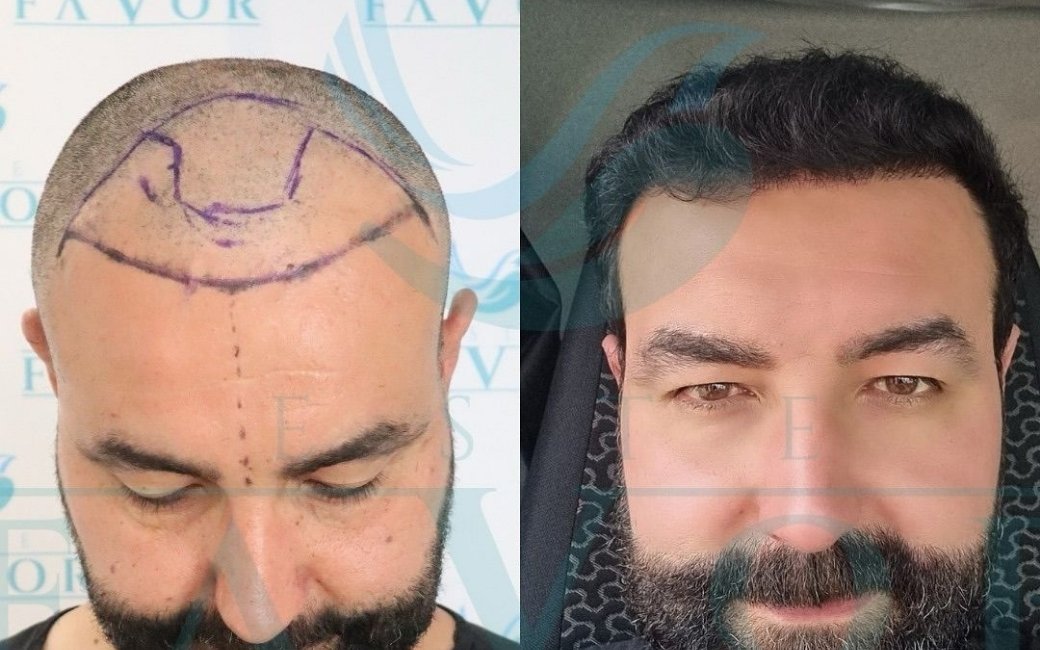
What to Ask During the US Consultation
To get the most clinical value from a US consultation before going to Turkey:
On candidacy: “Is my hair loss stable enough to proceed with a hair transplant now, or is there a clinical reason to wait?”
“What is my donor density, and what is the realistic safe extraction limit from my donor area without compromising the appearance of the donor zone?”
On planning: “How many grafts would you recommend for coverage of [the specific areas of concern]?”
“Which technique: FUE or FUT: would you recommend for my case and why?”
“How do you assess my hair type and calibre in relation to the likely outcome?”
On future progression: “How much additional hair loss am I likely to experience, and what is the implication for the surgical plan?”
“If I proceed now, what does the long-term plan look like if my hair loss continues to progress?”
On the Turkish option specifically: “What should I look for when evaluating a Turkish clinic? Are there specific questions you would recommend I ask?”
Some US surgeons will engage constructively with the Turkey question; others will not. Useful information is available from either response: a surgeon who engages with the international option honestly is demonstrating the kind of transparency that distinguishes good practitioners from those more focused on converting consultations to domestic bookings.
Using the US Assessment to Evaluate Turkish Clinic Proposals
Once the US consultation has produced a graft estimate, a candidacy assessment, and a baseline set of clinical data, the Turkish clinic evaluation process becomes significantly more structured.
For each Turkish clinic’s preliminary proposal:
Compare the graft count: If the Turkish proposal is within a reasonable range of the US estimate: typically within 15 to 20 percent: the alignment indicates that both assessments are working from similar clinical assumptions. A Turkish proposal significantly above the US estimate warrants a specific question about the discrepancy.
Compare the technique recommendation: If both the US surgeon and the Turkish clinic recommend FUE, the alignment is reassuring. If there is a discrepancy, asking the Turkish clinic to explain their recommendation in the context of the US surgeon’s assessment produces useful information about the depth of their clinical planning.
Cross-reference the donor assessment: If the US surgeon assessed donor density at a specific measurement and the Turkish clinic’s proposal implies a significantly different assessment of the available supply, ask directly how the Turkish clinic assessed the donor area and what data supports their estimate.
Identify unexplained discrepancies: Any significant discrepancy between the US assessment and the Turkish proposal deserves a specific explanation. A Turkish clinic that can explain the discrepancy with reference to clinical data is planning seriously. One that cannot explain it or that deflects is raising a concern worth investigating before committing.
‘How Americans Can Verify a Turkish Hair Transplant Clinic Before Booking‘ – the full clinic verification framework for American patients, including how the independent US consultation assessment integrates with the credential checks, written questions, and independent documentation review that complete the evaluation process.
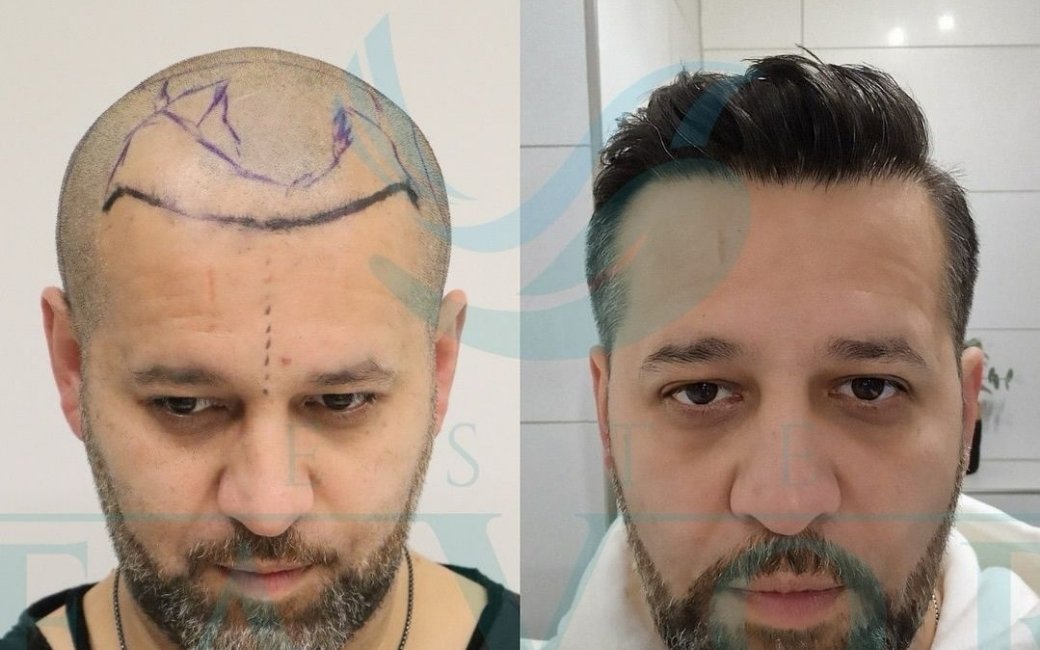
What Happens If the US Surgeon Recommends Against Turkey
Some US surgeons will advise against the Turkey option, either categorically or for specific clinical reasons. Evaluating this advice requires distinguishing between clinically grounded concerns and commercially motivated ones.
Clinically grounded concerns to take seriously:
- The patient’s hair loss is not stable and proceeding now will produce a result that looks outdated within a few years
- The donor density is insufficient for the coverage goals the patient has in mind
- A specific medical condition makes the patient a poor candidate for the procedure at this time
- The patient’s hair type creates specific technical challenges that the surgeon believes require particular expertise
These concerns are valid regardless of where the procedure is done. They may affect the decision to proceed in Turkey and the decision to proceed at all.
Commercially motivated arguments to evaluate critically:
- Turkey is categorically unsafe (contradicted by the evidence for properly vetted clinics)
- US surgeons are universally more qualified than Turkish surgeons (a credential comparison that is more complex than a categorical claim suggests)
- The cost savings are offset by hidden risks and complications (true for poor clinics, not true for properly selected ones)
- The patient should use the financing options available at the US practice to make domestic pricing more accessible
The honest position is that some US-based concerns about Turkey are clinically valid and some are commercially motivated. Distinguishing between them requires evaluating the specific concern against the available evidence rather than accepting or dismissing the entire US surgeon perspective as a unit.
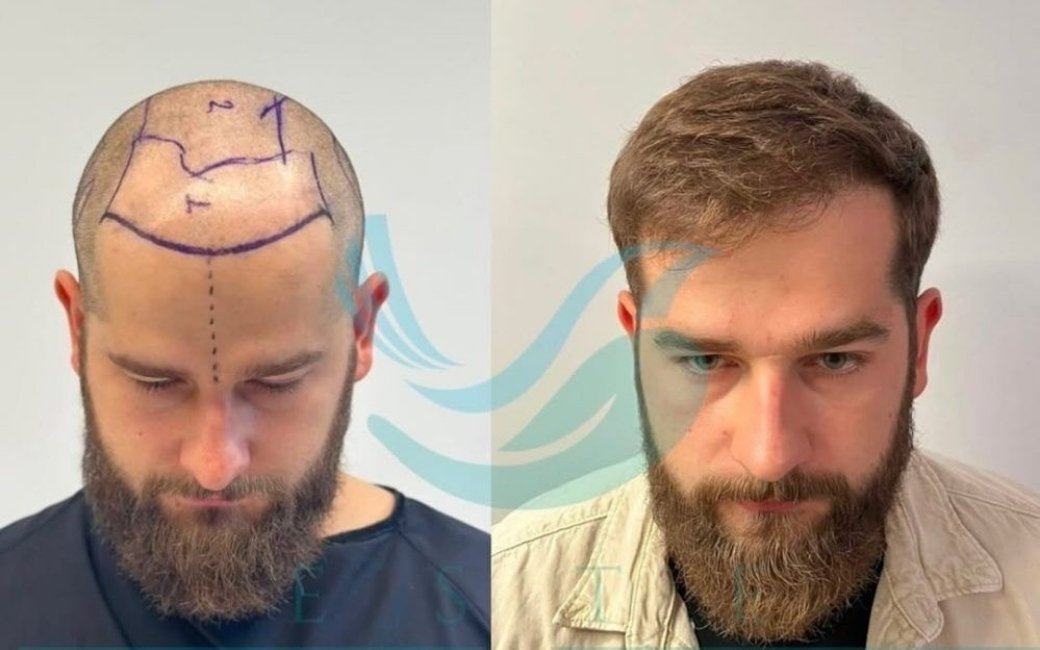
Timing the US Consultation
The US consultation should happen before engaging seriously with Turkish clinics, not after. The sequence that produces the most value is:
- US consultation to establish baseline candidacy, graft estimate, and donor assessment
- Turkish clinic research using the independent documentation sources
- Turkish clinic remote consultations with the US baseline as a reference
- Comparison of Turkish proposals against US assessment
- Decision and booking
Starting Turkish clinic research before the US consultation is not wrong, but it means the Turkish proposals arrive without a clinical baseline to evaluate them against. The US consultation is most valuable when it precedes the Turkish engagement.
For patients who cannot access an ABHRS-certified surgeon in their area, a telehealth consultation with a remotely available specialist is an alternative. Several US hair restoration specialists offer virtual consultations specifically for patients who are geographically remote from major metropolitan hair restoration practices.
Conclusion
The US consultation before a Turkey hair transplant is not a step that prevents patients from going to Istanbul. It is a step that makes the Istanbul experience better: more informed, better evaluated, and more likely to result in an outcome that matches expectations.
For $100 to $300 and one or two hours, an American patient gains an independent clinical assessment, a benchmark graft estimate, a baseline record for future US practitioners, and a structured reference for evaluating Turkish clinic proposals. Against the total cost of a Turkey trip and the permanent nature of the result being sought, the investment is straightforward to justify.
The patients who most benefit from a US consultation before Turkey are not those who are uncertain about whether to go: it is useful for them but equally useful for those who are already certain. It is most valuable for patients who want to go to Turkey well-prepared, with their own independent clinical data, and confident that the clinic they ultimately select has proposed a plan that makes clinical sense.
