
When an Australian patient flies home from Istanbul a week after their hair transplant, the clinical relationship with the Turkish clinic does not end at the departure gate. It continues for twelve months through a remote follow-up structure that is specifically designed for international patients who cannot attend in-person visits. How well this remote structure works – how responsive the clinic is, how meaningfully the assessments are conducted, how accessible the clinical team is when questions arise – determines a significant portion of the quality of the recovery experience.
For Australian patients evaluating Istanbul clinics before booking, the follow-up programme is worth examining as carefully as the procedure itself. A clinic that provides outstanding surgical work but then becomes inaccessible after the patient returns home has delivered only half of what a hair transplant patient needs. The twelve months between the procedure and the final result assessment are months in which clinical guidance is genuinely needed, and clinics that take this seriously are distinguishable from those that treat post-procedure support as a marketing footnote.
This article explains how the EsteFavor remote follow-up programme works for Australian patients, what to expect at each stage of the twelve months, how to use the programme effectively, and what distinguishes substantive follow-up from the performative version that some clinics offer.
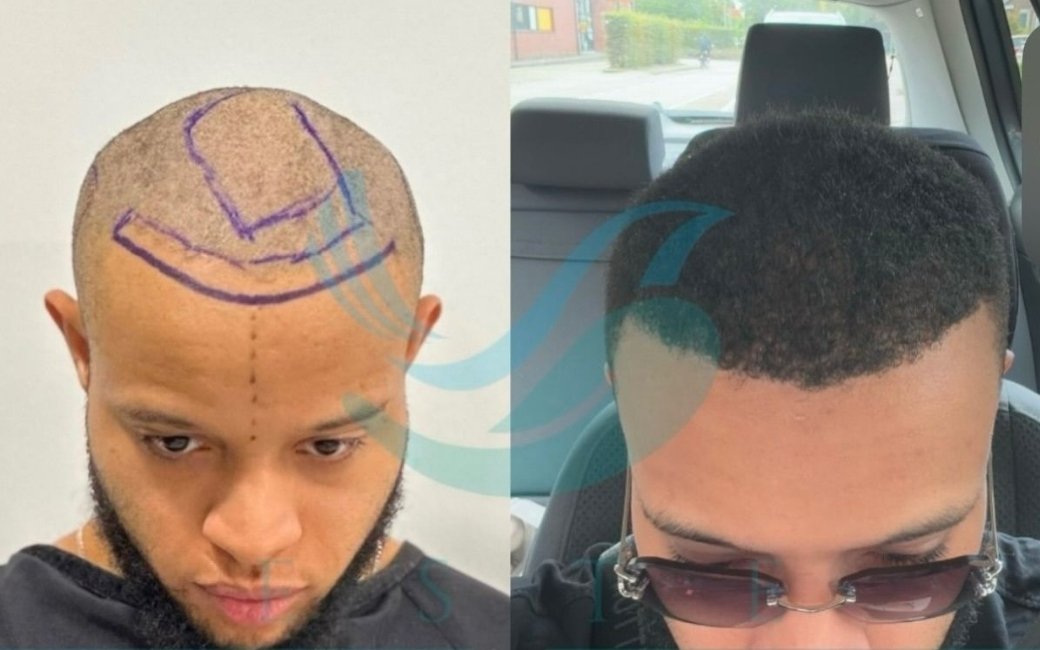
Why Follow-Up Care Matters More for International Patients
A Sydney patient who has a hair transplant at a local clinic can attend follow-up appointments in person, walk in with a question, and have a developing concern looked at without prior arrangement. These options are simply not available to Australian patients who have had their procedure in Istanbul. The geographic distance means that every interaction with the clinical team after the Istanbul visit is remote, and the quality of remote follow-up determines whether the patient has genuine support or the appearance of it.
The recovery period produces real clinical questions at every stage. In the first weeks, questions arise about the care protocol, about whether developments in the scalp are within normal range, and about the shedding phase as it begins. In the dormant phase, the absence of visible activity produces doubt that experienced guidance can address. In the early growth phase, questions arise about the rate and pattern of development and whether it is consistent with a successful result. At the twelve-month point, a formal assessment comparing the result against the pre-procedure state and the expectations set in the consultation is the appropriate endpoint of the programme.
Without clinical guidance through these stages, patients either navigate them alone using online resources of variable reliability, or seek the opinions of Australian GPs and dermatologists who may have limited familiarity with the specific recovery timeline of a hair transplant procedure. Neither alternative is as effective as having direct access to the clinical team who performed the procedure and who know the specifics of what was done, how many grafts were placed, what technique was used, and what the expected recovery trajectory looks like for this patient.

How the EsteFavor Remote Follow-Up Programme Works
The EsteFavor twelve-month follow-up programme for Australian patients has a structured framework built around defined assessment points and open access for questions between them.
The defined assessment points occur at approximately one month, three months, six months, and twelve months after the procedure. At each point, the patient submits a standardised series of photographs of the scalp – taken in natural light from consistent angles covering the hairline, the top of the scalp, the crown, and the donor area – along with a brief account of any questions or concerns. The clinical team reviews the photographs, compares them against the pre-procedure photographs and the documentation from previous assessments, and provides a written response that addresses the patient’s specific situation rather than generic recovery advice.
Between the defined assessment points, the open-access channel is available for questions and concerns that arise outside the scheduled windows. Australian patients who notice an unexpected development, who have a question about whether a specific activity is appropriate at their current recovery stage, or who simply want confirmation that something they are seeing is within normal range can submit photographs and a description to the clinical team through the designated contact channel and receive a response.
The response quality from the clinical team on these open-access inquiries is one of the meaningful differentiators between clinics that take follow-up seriously and those that do not. A response that consists of generic reassurance without reference to the patient’s specific photographs or procedure details is not the same as a response from a clinical team member who has reviewed the photographs and can confirm or clarify the specific situation. Australian patients should ask, during the initial consultation, what the typical response time is for follow-up queries and whether responses come from clinical staff or administrative coordinators.

The One-Month Assessment: The Shedding Checkpoint
The one-month assessment is the most emotionally significant follow-up interaction for most Australian patients, because it typically coincides with or immediately follows the shedding phase.
Patients who submit their one-month photographs while in the middle of or just after the shedding phase often do so in a state of concern. They see a scalp that looks similar to how it did before the procedure, and they are looking for confirmation that this is normal. The one-month assessment provides exactly this: a review of the photographs, confirmation that the shedding pattern is within normal range for the procedure performed, and a clear explanation of what is happening biologically and what to expect next.
For patients who have not yet begun shedding at the one-month mark, the assessment confirms early healing progress and provides the timing information needed to prepare for the shedding phase when it does arrive. This preparatory reassurance is valuable even when there is currently nothing concerning to address.
The clinical team’s ability to assess the one-month photographs meaningfully requires that the photographs are taken correctly: good natural light, consistent angles, hair not covered by styling products or excessive moisture. Following the photograph protocol specified by EsteFavor produces images that allow meaningful clinical assessment.

The Three-Month Assessment: Dormancy and Early Signs
The three-month assessment captures the patient at a stage when the shedding phase is complete and the dormant phase is either still ongoing or transitioning into early growth. This is the assessment point that most reliably distinguishes between patients who are having a normal recovery and those for whom there may be a reason the dormant phase is extending beyond the typical range.
For patients who begin to see early growth by the three-month mark – a minority, since most patients see their first clear growth between months four and five – the three-month assessment provides an opportunity for the clinical team to review the emerging pattern and confirm that the development is consistent with the expected result. For patients who are still in the dormant phase at three months, which is the majority, the assessment confirms that this is within the normal range and provides a clearer timeline for when growth is expected.
The three-month assessment is also the point at which Australian patients are typically feeling the most impatient. The three months since the procedure have produced the shedding phase, the dormant phase, and not yet the visible growth that motivated the trip. Clinical confirmation at this point that everything is on track provides a morale contribution that is not trivial for patients who are eight thousand kilometres from their clinic and managing their recovery alone.
The Six-Month Assessment: Early Result Evaluation
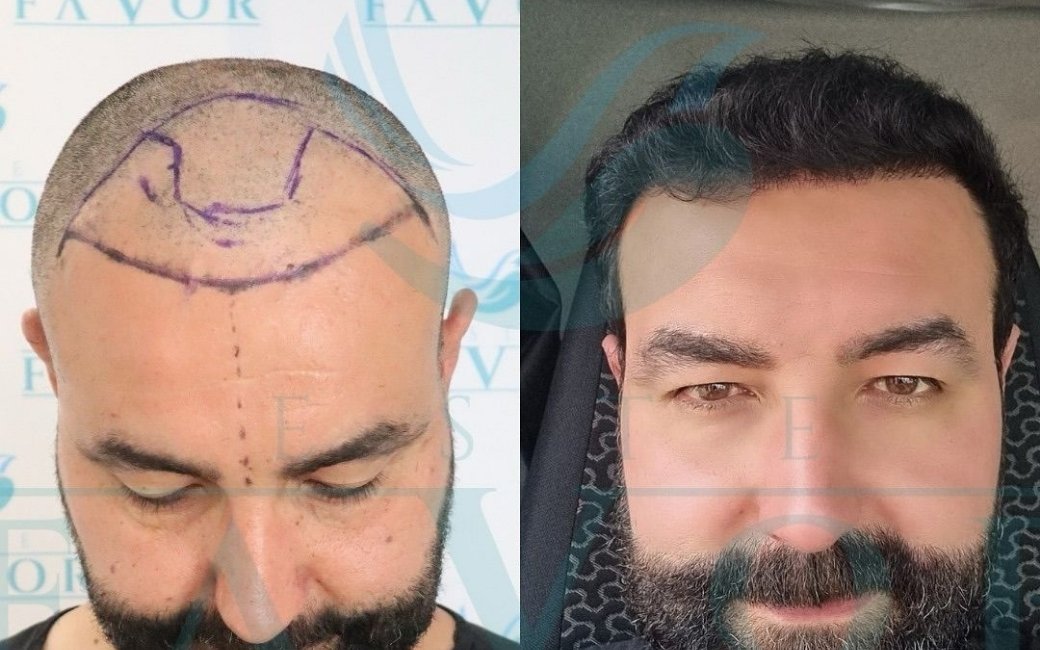
By the six-month mark, most patients are well into the early growth phase. The transplanted follicles have been emerging from dormancy progressively through months four to six, and the coverage that will develop into the final result is beginning to be visible. The six-month assessment is the first point at which a meaningful clinical evaluation of the developing result is possible.
The six-month assessment compares the current photographs against the pre-procedure photographs and, where available, the one-month and three-month photographs. The clinical team can assess the density of early growth, the distribution pattern across the recipient area, the naturalness of the hairline development, and whether the trajectory is consistent with the result planned in the consultation.
For patients who are on track, the six-month assessment is an encouraging confirmation. For patients whose growth is developing more slowly than expected, or whose early distribution pattern suggests a question about graft survival in specific zones, the six-month assessment is the appropriate point for the clinical team to identify this and discuss whether a wait-and-assess approach to twelve months is appropriate or whether there are specific concerns to address earlier.
The six-month assessment is not a final evaluation of the result. The growth between six and twelve months is significant, and what is visible at six months is an incomplete picture. Patients who draw definitive conclusions from the six-month assessment in either direction are working with a partial dataset.
The Twelve-Month Assessment: The Final Result
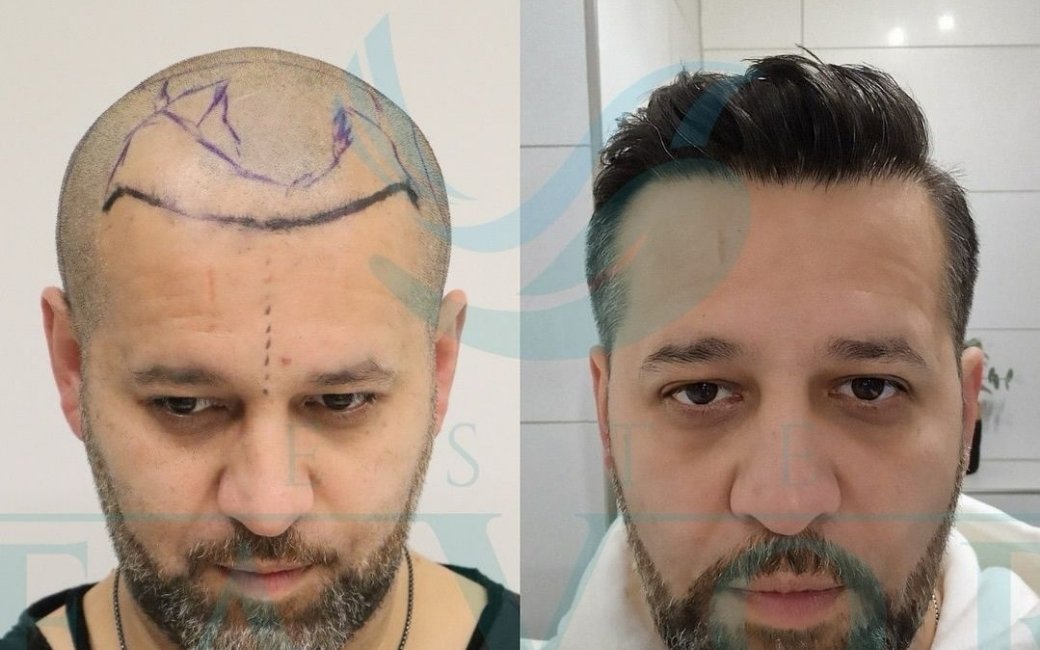
The twelve-month assessment is the formal endpoint of the EsteFavor follow-up programme for the primary procedure. By twelve months, the transplanted hair has completed its first full growth cycle and achieved its mature thickness, texture, and coverage. The result visible at this point represents the stable outcome of the procedure.
The twelve-month assessment involves a formal photograph series taken to the standardised protocol, a written summary from the patient of their recovery experience and any remaining questions, and a clinical review by the EsteFavor team that addresses the final result against the pre-procedure baseline and the expectations set in the consultation.
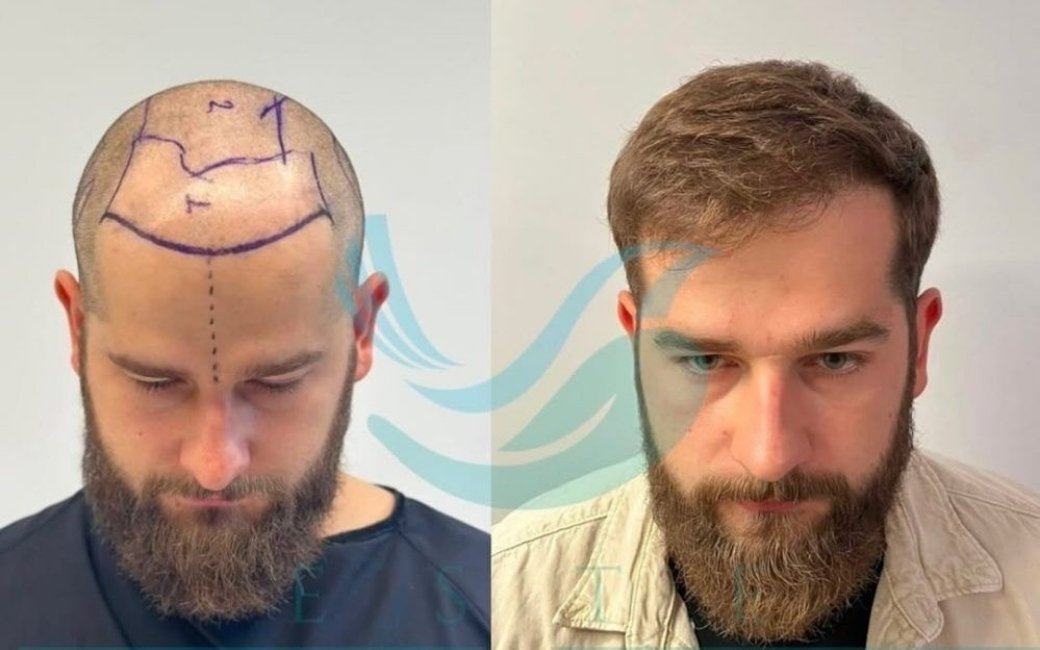
For most Australian patients who completed the process diligently, the twelve-month assessment is a satisfying documentation of a meaningful change in their appearance. The comparison between the pre-procedure photographs and the twelve-month result photographs makes visible what was achieved, and the natural appearance of the result – the hairline design that reflects the original plan, the density in previously thinning areas – is the evidence that the entire journey was worthwhile.
If the twelve-month assessment identifies areas where the result falls short of expectations, the clinical team discusses what can be done: whether a corrective procedure is appropriate, what the donor situation allows, and what the realistic options are for patients who want to address specific areas of the result that did not develop as planned.
‘Hair Transplant Gone Wrong: How to Recognize and Fix a Bad Procedure‘ – for the minority of patients whose twelve-month assessment identifies a result that falls significantly short of expectations, understanding the options for corrective work and how to evaluate clinics for this purpose is covered here.

What Distinguishes Real Follow-Up from Token Follow-Up
Not every clinic that advertises twelve-month follow-up is delivering twelve months of meaningful clinical engagement. Australian patients who are evaluating clinics should ask specific questions that reveal the substance of the follow-up programme rather than its existence.
Ask how the assessment process works: is it a structured review of submitted photographs by a clinical team member, or is it a check-in email that generates an automated response? Ask what the typical response time is for open-access queries between assessment points: twenty-four hours indicates a genuinely responsive team; a week or more suggests a team for whom follow-up is a secondary activity. Ask who provides the clinical assessment responses: a doctor or qualified clinician, or an administrative coordinator? Ask for a specific example of what a follow-up assessment response looks like: a clinic confident in its follow-up quality will show you without hesitation.
EsteFavor’s follow-up programme for Australian patients is conducted by the clinical team, not administrative staff. Assessment responses address the specific photographs submitted rather than providing generic recovery information. Response times for open-access queries are within the business day range. The twelve-month programme is a genuine engagement commitment, not a marketing statement.
Connecting with Your Clinic from Australia: The Practical Mechanics
The practical mechanics of remote follow-up from Australia involve time zone management, communication channel selection, and photograph submission protocol.
The time zone difference between Australia and Turkey is approximately six to eight hours depending on the time of year. For Australian patients submitting photographs or queries, Istanbul business hours correspond to evening in Sydney and Melbourne during standard time, and to mid-afternoon during Turkish summer when the clocks differ. Submitting follow-up inquiries during Australian morning hours means that the Istanbul team receives them at the start or during their business day, which supports prompt responses.
The designated communication channel for EsteFavor follow-up should be confirmed before leaving Istanbul and should be saved in a format accessible without relying on email from memory. Most international clinics use email, a patient portal, or a messaging application for follow-up communication. Confirming the specific channel and testing it with a simple message before returning to Australia ensures that the communication infrastructure is in place before it is needed.
The full timeline from research through to the twelve-month assessment places the follow-up programme within the complete arc of the Turkey hair transplant journey for Australian patients, providing the broader context in which each assessment point sits.

Conclusion
The follow-up care provided by an Istanbul clinic for Australian patients who have returned home is not a secondary consideration. It is a primary component of the clinical service that the procedure requires. The twelve months between the Istanbul visit and the final result assessment are months in which clinical guidance is genuinely needed at multiple stages, and the quality of the remote support provided by the clinic determines whether those months are navigated with confidence or managed alone.
EsteFavor’s twelve-month follow-up programme provides structured assessment at defined intervals, open access for questions between assessments, and clinical engagement from qualified staff who know the specifics of each patient’s procedure. For Australian patients who are eight thousand kilometres from the clinic where their procedure was performed, this programme is the bridge that connects the Istanbul visit to the final result.
