
One of the more unexpected developments in the weeks following a hair transplant is the appearance of small pimples and bumps, or raised spots on the scalp, either in the recipient area, the donor area, or both. For many patients, this comes as a surprise. The clinic prepared them for shedding, for redness, for some degree of swelling, but nobody mentioned that the scalp might start producing something that looks like acne weeks into the recovery period.
The reaction to these bumps varies widely. Some patients notice them and move on; others search online, find alarming descriptions of infection and graft failure, and spend days in a state of unnecessary anxiety. The reality, in most cases, is reassuring: the appearance of small pimples or bumps on the scalp during the first six months after a hair transplant is a recognised, common, and largely benign aspect of the healing and regrowth process. But in a minority of cases, these lesions do indicate something that warrants attention, and understanding the difference is important.
This article explains in detail what causes scalp bumps after a hair transplant, how to distinguish between the types that are a normal part of recovery and those that require clinical assessment, what you can and cannot do to manage them at home, and when to contact your clinic. The goal is to give you the knowledge to respond calmly and correctly rather than either dismissing something that needs attention or panicking over something that does not.

Why Bumps Appear After a Hair Transplant: The Underlying Biology
To understand why bumps form, it helps to understand what the scalp is experiencing in the weeks and months after the procedure. A hair transplant places thousands of individual follicular units into the scalp through tiny incisions. Each of these sites is a small wound that must heal, and the scalp’s healing response involves inflammation, cellular activity, and eventually the re-establishment of normal tissue architecture.
As the transplanted follicles enter their resting phase and then begin to re-enter the active growth cycle, the hair shaft must push its way through the skin surface. This process is not always smooth. The follicle may be positioned slightly deeper than the natural angle of the surface, the new hair shaft may grow at a slightly different trajectory than expected, or the skin over the follicle may have healed in a way that creates mild resistance to the emerging hair. In all of these situations, the growing hair can become temporarily trapped beneath the skin surface rather than breaking through cleanly.
When a hair shaft is unable to break through the skin surface, the body responds in the same way it responds to any foreign body just below the skin: it mounts a localised inflammatory response. The result is a small raised bump, sometimes with a white or yellowish centre if keratin or sebum accumulates within it, that looks very similar to a regular pimple. This type of lesion is known as an ingrown hair, and in the context of a hair transplant, it is the most common cause of the bumps patients notice during the regrowth phase.
The same biology applies to the donor area. As the small punch wounds from FUE extraction heal, the surrounding follicles continue their growth cycles, and occasionally a hair in the vicinity of a healing extraction site will behave similarly, producing a small bump or pimple that resolves on its own within a week or two.

The Most Common Types of Bumps and What They Mean
Not every bump has the same cause or the same significance. Understanding the distinct categories helps patients make sense of what they are seeing and respond appropriately.
Ingrown hairs in the recipient area are the most frequently encountered type of post-transplant bump. They typically appear between the second and sixth month after the procedure, corresponding with the period when the transplanted follicles are beginning their active growth phase. They look like small, firm bumps, sometimes with a visible hair trapped just beneath the surface, and sometimes with a small white or yellow centre. They may be mildly tender to the touch. In the vast majority of cases, they resolve on their own within one to three weeks as the hair finds its way to the surface. They do not indicate graft failure, and they do not damage the follicle.
Folliculitis is an inflammation of the hair follicle caused by bacterial or fungal infection. Post-transplant folliculitis can occur in both the recipient and donor areas, and it presents as red, inflamed bumps or pustules that may be more tender than simple ingrown hairs. Mild, isolated cases of folliculitis are relatively common in the post-transplant period and often resolve with good hygiene and the topical treatments recommended by the clinic. More widespread or persistent folliculitis, or folliculitis accompanied by systemic symptoms such as fever, warrants medical assessment and possibly antibiotic treatment.
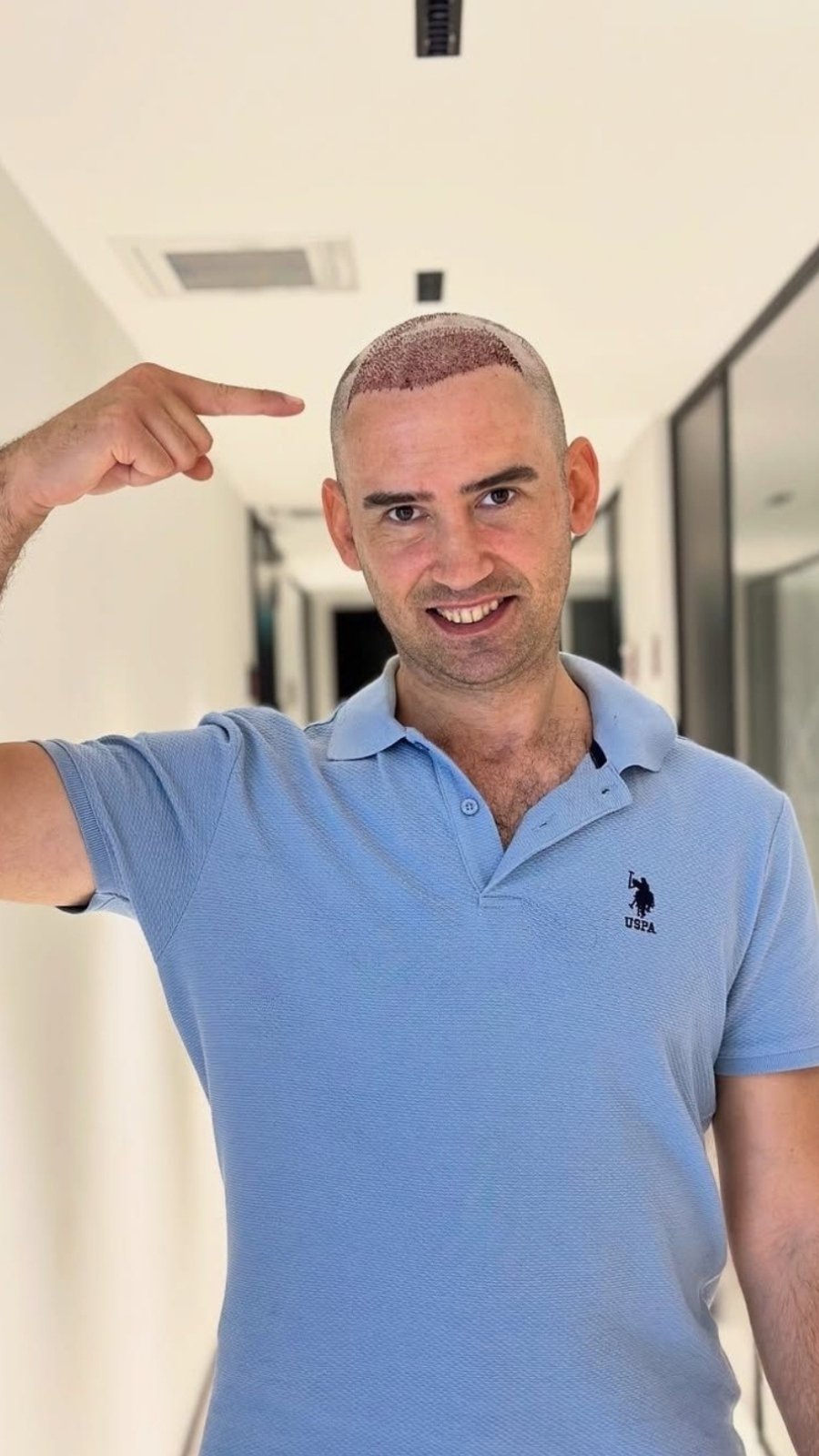
Cysts are another type of bump that can appear after a hair transplant. They form when a hair follicle or a portion of the follicular epithelium becomes enclosed beneath the skin surface, creating a small sac that fills with keratin or sebum. Post-transplant cysts are generally small, firm, and non-tender. They do not typically resolve on their own in the same way that ingrown hairs do, but they are benign and can be addressed by the clinical team if they persist. They are not a sign of a failed transplant.
Milia are tiny white cysts, usually two to three millimetres in diameter, that form when keratin becomes trapped in a small pocket near the skin surface. They look like small white dots and are firm to the touch. They can occur in any area of the scalp following the trauma of the transplant procedure and typically resolve within a few weeks without any intervention.
Sebaceous cysts are larger cysts that develop when a sebaceous gland becomes blocked. They are less common after hair transplants than the other types listed here, but they do occur. They are soft, moveable, and generally painless unless they become infected. A sebaceous cyst that becomes infected, red, and tender is a situation that warrants clinical assessment.
‘Itching After Hair Transplant‘ – the itching that accompanies the healing process often occurs alongside the development of small bumps in the same areas, and understanding the common biology behind both symptoms helps patients manage the post-operative period with greater confidence.
The Timeline: When to Expect Bumps and When They Should Resolve
The timing of bump appearance provides important information about their likely cause and significance. Understanding the expected timeline helps patients distinguish between normal variation and something that warrants concern.
In the first two weeks after the procedure, any raised areas or redness in the scalp are almost certainly part of the normal inflammatory response to the transplant procedure itself. The scalp is healing thousands of small incision sites, and some degree of localised inflammation is expected. This is not the phase in which the ingrown hair or folliculitis type of bumps typically appears.

Between weeks three and six, as the shedding phase is underway or completing, some patients begin to notice the first small bumps. At this stage, they most commonly reflect the early stages of follicular re-entry into the growth cycle, where the follicle is becoming active beneath the skin surface but the hair has not yet emerged. These bumps are typically small, distributed across the transplanted area, and resolve without intervention.
Between months two and six, the primary regrowth phase, the majority of post-transplant bumps occur. This is when ingrown hairs are most common, because the transplanted hairs are actively growing and some are encountering resistance from the skin surface above them. Isolated bumps that come and go during this period, resolving within one to three weeks each, are a normal feature of recovery and do not warrant alarm.
After six months, the frequency of new bumps should diminish significantly as the transplanted follicles have established their growth patterns and the majority have successfully broken through the skin surface. Persistent or recurrent bumps after the six-month mark are worth discussing with the clinical team, as they may indicate ongoing folliculitis, cysts, or another condition that is not self-limiting.
How to Care for Bumps at Home
The appropriate response to post-transplant bumps at home depends on the type of bump and the stage of recovery. A few general principles apply across most situations.
Do not squeeze, pick, or attempt to drain bumps in the transplanted area during the recovery period. This is the most important rule, and it is the one most commonly broken. Squeezing a bump in the recipient area risks disrupting the follicle, introducing bacteria, and causing scarring. Even when a bump appears to have a visible head and seems ready to resolve if expressed, the risk of damaging the underlying follicle makes manual expression inadvisable. The vast majority of bumps will resolve on their own if left alone.
Maintain the hygiene protocol recommended by your clinic throughout the recovery period. Gentle, regular washing removes sebum, dead skin cells, and any surface bacteria that could contribute to folliculitis. The washing protocol changes week by week in the post-transplant period; follow the clinic’s instructions for each phase rather than applying your own judgement about what feels adequate.

Avoid applying any products to the scalp that have not been approved by the clinical team. Many commercially available scalp products contain ingredients that are irritating to healing skin or that can disrupt the healing process in ways that increase the likelihood of bump formation. When in doubt, use only the products provided or recommended by the clinic.
If a bump is clearly infected, characterised by increasing redness, warmth, significant tenderness, or the formation of a large pustule, contact the clinical team rather than attempting self-treatment. A simple ingrown hair does not require medical intervention, but an infected follicle that does not resolve with basic hygiene may need topical or oral antibiotic treatment.
Warm compresses applied gently to the affected area can help encourage a persistent ingrown hair to break through the skin surface. This is one of the few safe interventions a patient can perform at home for this type of bump. A clean cloth soaked in warm water, held gently against the area for a few minutes twice daily, can soften the skin over the ingrown hair and support its natural resolution. Do not apply pressure; simply allow the warmth to work.
When to Contact Your Clinic
Most post-transplant bumps do not require clinical intervention, but several specific situations warrant direct contact with the clinical team rather than a wait-and-see approach.
Contact your clinic if you develop multiple bumps that are spreading rapidly across the scalp, particularly if they are red, inflamed, and tender. Widespread folliculitis requires assessment and may need antibiotic treatment. Attempting to manage it at home with hygiene alone is often insufficient.
Contact your clinic if a bump has been present for more than three weeks without any sign of resolution. Most ingrown hairs and minor folliculitis resolve within this timeframe. A lesion that persists longer may be a cyst or another type of lesion that will not self-resolve and may need minor clinical intervention.

Contact your clinic if you develop any systemic symptoms alongside scalp bumps, including fever, swollen lymph nodes in the neck or around the ears, or a general feeling of illness. These symptoms suggest an infection that has moved beyond a localised scalp condition and requires prompt medical assessment.
Contact your clinic if the bumps are accompanied by significant pain rather than mild tenderness. Post-transplant bumps are generally not painful. A lesion that is causing notable pain, particularly if it is growing in size, warrants examination.
Contact your clinic if you are at any stage unsure whether what you are seeing is within the range of normal. One of the primary responsibilities of a clinic that takes its aftercare obligations seriously is to provide accessible guidance during the recovery period. A brief description and a photograph are usually sufficient for the clinical team to assess whether a bump requires attention or falls within the expected range of post-operative variation.
‘What to Bring to Your Hair Transplant in Turkey‘ – patients who arrive at their procedure with the right post-operative care products and a clear understanding of the hygiene protocol are significantly better positioned to manage the minor scalp changes that occur during recovery.
Factors That Increase the Likelihood of Post-Transplant Bumps
While some degree of bump formation is a normal feature of the regrowth process for most patients, certain factors increase the frequency or severity of bumps in the post-transplant period.
Oily or acne-prone skin produces more sebum than dry or normal skin, and the excess sebum can block the follicular opening as new hairs attempt to emerge. Patients with naturally oily skin or a history of acne are more likely to experience significant ingrown hairs or folliculitis in the transplanted area, and they benefit from more frequent but still gentle washing during the regrowth phase.
Curly or wavy hair is more likely to produce ingrown hairs than straight hair. The curved trajectory of a curly hair shaft means it is more likely to re-enter the skin rather than grow directly outward, and this tendency does not disappear in transplanted hairs. Patients with naturally curly hair may experience more pronounced bumping during the regrowth phase.
Inadequate hygiene during the recovery period, whether due to misunderstanding the washing protocol or simply not following it consistently, allows the accumulation of dead skin cells, sebum, and surface bacteria that create the conditions for folliculitis and blocked follicles. Following the clinic’s hygiene instructions precisely is the single most effective thing a patient can do to reduce the frequency and severity of post-transplant bumps.
Environmental factors, including high humidity, excessive sweating, or prolonged exposure to environments with airborne irritants, can increase the likelihood of folliculitis in the post-transplant period. Patients who live in or return to hot, humid climates after their procedure should discuss appropriate hygiene adjustments with the clinical team.
Distinguishing Post-Transplant Bumps from Graft Failure
One of the most persistent anxieties surrounding post-transplant bumps is the fear that they indicate graft failure, that the follicles beneath the skin have not survived and that the visible bumps represent a failed attempt at growth. This concern is understandable but in almost all cases unfounded.
The appearance of bumps during the regrowth phase is not a sign of graft failure. A follicle that has failed to survive does not produce a bump; it simply does not grow. The bump is produced by a living follicle that is actively growing but has encountered a temporary obstacle at the skin surface. The follicle itself is intact and viable; it is the skin above it, not the follicle below, that is creating the temporary blockage.
Graft failure, by contrast, presents as absence of growth rather than bumps. A patchy result, areas of the recipient zone that show no growth whatsoever after twelve months, or an overall density that is significantly lower than expected are the indicators of graft failure, not the presence of bumps during the recovery period.
Patients who are concerned about the overall density of their result at any point should raise this with the clinical team at their scheduled follow-up assessment rather than attempting to infer it from the presence or absence of bumps during the growth phase.
‘Does Stress Cause Hair Loss‘ – the anxiety that often accompanies post-transplant recovery, including worry about bumps, shedding, and slow growth, can itself become a stressor worth addressing, since sustained psychological stress has documented effects on the hair growth cycle.
EsteFavor’s Aftercare Approach to Scalp Changes During Recovery
At EsteFavor, the post-operative support programme is built around the recognition that the recovery period produces a range of changes that patients need to understand and manage correctly. Bumps, itching, shedding, and the slow emergence of new growth are all part of a biological process that unfolds over twelve months, and patients who are informed about each phase are better equipped to navigate it without unnecessary anxiety.
Every patient at EsteFavor receives detailed written aftercare instructions that describe the expected changes at each stage of recovery, including the appearance of bumps during the regrowth phase. The washing protocol, the products recommended, and the indicators that distinguish normal variation from something requiring clinical attention are all covered explicitly, so that patients are not left to interpret ambiguous symptoms alone.
The twelve-month follow-up programme provides structured access to the clinical team throughout the recovery period. Patients who develop concerning bumps or any other post-operative change can send photographs and descriptions to the clinical team and receive a prompt, informed response. This accessibility is particularly important for international patients who have returned home and do not have the option of an in-person visit for every minor concern.
For patients who experience persistent or recurrent bumps that are disrupting the recovery process, the clinical team at EsteFavor can assess the situation formally and provide targeted guidance, including topical treatments if warranted. The goal in every case is to support the optimal conditions for graft survival and growth throughout the full twelve-month development period.
Conclusion
Small pimples and bumps on the scalp after a hair transplant are, in the large majority of cases, a normal and temporary feature of the recovery and regrowth process. They are most commonly caused by ingrown hairs as the transplanted follicles begin their active growth phase, and they resolve on their own within one to three weeks in most cases.
The appropriate response is calm, informed observation rather than alarm or aggressive intervention. Leave the bumps alone, maintain the hygiene protocol prescribed by your clinic, and contact the clinical team if a bump is spreading, persisting beyond three weeks, accompanied by systemic symptoms, or causing significant pain. Armed with this understanding, the appearance of a few small bumps in the months after your transplant will be exactly what it almost always is: a sign that your hair is growing.
