
For most international patients travelling to Istanbul for a hair transplant, the question of when it is safe to fly home is not abstract. There is a real deadline: a flight already booked, a job to return to, a life that cannot be paused indefinitely. And yet the guidance given by clinics varies enough to cause genuine confusion. Some say you can fly the next day. Some say wait a week. Some give no guidance at all. This article explains the biology behind the question — what is happening to the grafts in the first days, what actually occurs at altitude, when the risk genuinely peaks and when it subsides, and what precautions make a practical difference on the flight itself.
The short answer: most patients can fly three to five days after their procedure without meaningful risk to the grafts, provided the flight is managed correctly. The full answer requires understanding why that window matters, what is happening biologically during those days, and how the specific conditions of air travel interact with post-operative healing.

This article covers all of that: the graft biology timeline, the cabin pressure and dryness question, the day-by-day risk profile, swelling and how flight posture affects it, practical in-flight precautions, how to plan your Istanbul stay around the surgery date, specific considerations for long-haul flights, and the signs to watch for after landing.
Graft Biology in the First Days: Why the Window Exists
A transplanted hair graft is a follicular unit that has been separated from its original blood supply and placed in a new recipient channel. In the first 24 to 48 hours after implantation, the graft survives through plasmatic imbibition — it absorbs oxygen and nutrients directly from the surrounding tissue fluid, without a dedicated vascular connection. This is a passive process, and it is the reason grafts must not dry out in those early hours.
Starting around 48 to 72 hours post-procedure, the process of neovascularisation begins. Tiny capillary connections start forming between the base of each follicular unit and the surrounding recipient tissue, progressively establishing a permanent blood supply. This process is not complete for several days. Until it is, the grafts remain mechanically vulnerable — they are sitting in channels that have not fully closed, held primarily by the initial tissue adhesion and early capillary buds rather than a mature vascular network.
By day five to seven, neovascularisation is significantly advanced in most patients. The channels have largely closed, the grafts are anchored by developing capillary connections, and the mechanical vulnerability has substantially decreased. By day ten to fourteen, the grafts are well-established and the scalp is largely healed. The window in which travel-related stress poses any meaningful risk to graft survival is primarily days one through four, with days one and two representing the period of highest concern.
Understanding this timeline is the foundation of every sensible decision about when to fly. The question is not whether flying is categorically dangerous — it is whether the specific conditions of air travel create meaningful additional stress during the period when grafts are most vulnerable. For days one and two, the answer is yes. For days five and beyond, the answer is effectively no. Days three and four sit in a managed-risk zone where flying is possible but requires attention to specific precautions.
What Happens at Altitude: Cabin Pressure and Dry Air
Commercial aircraft cabins are pressurised to an equivalent altitude of approximately 2,000 to 2,400 metres — similar to the atmospheric conditions at a ski resort. This is substantially lower pressure than sea level, and it has two effects that are relevant to hair transplant recovery: reduced oxygen availability and extreme dryness.

The reduced partial pressure of oxygen at cabin altitude means that peripheral tissues, including the scalp, receive slightly less oxygen than at ground level. For healthy passengers, this is not clinically significant. For grafts in the early plasmatic imbibition phase — days one and two — this reduction in ambient oxygen is a marginal but real additional burden on tissue that is already under stress. For grafts that have progressed into neovascularisation — from day three onwards — the effect is not clinically meaningful. The concern about cabin oxygen is primarily a reason not to fly on days one and two, not a reason to avoid flying for an extended period.
Cabin humidity is the more practically significant concern. The relative humidity in a commercial aircraft cabin typically falls to between 10 and 20 percent during flight — far below the 40 to 60 percent that healthy skin requires to remain comfortable. The freshly healing scalp after a hair transplant is particularly susceptible to this dryness. Crust sites can tighten and crack, causing discomfort and potentially disrupting the healing surface. This is not a graft-loss risk in the same category as mechanical trauma, but it is a manageable source of irritation that requires active counteraction on every post-transplant flight regardless of how many days post-procedure the patient is.
The solution to cabin dryness is straightforward: use the saline spray your clinic has provided, apply it to the scalp every hour to hour-and-a-half during the flight, and drink water consistently throughout. There is no evidence that normal commercial cabin pressure differentials create mechanical forces capable of displacing well-implanted grafts in patients flying on day three or later.
Day-by-Day Risk Profile
Days 1 and 2 post-surgery represent the highest-risk period for flying. Grafts are in the plasmatic imbibition phase, vascular connections have not yet formed, and the channels are still open. The cumulative stress of airport transit — physical movement through terminals, the risk of accidental head contact in crowds, the fatigue of travel — combined with reduced cabin oxygen and extreme dryness creates an unnecessarily difficult environment for grafts at maximum vulnerability. EsteFavor, like most quality clinics, keeps patients in Istanbul for the first night post-procedure specifically to prevent day-one travel.
Days 3 and 4 represent a zone of elevated but manageable risk. Neovascularisation has begun, but is not complete. The main concerns are scalp desiccation during the flight, accidental physical contact with the recipient area during transit, and the effect of prolonged sitting on post-operative swelling. Patients flying at this stage should follow all precautions carefully, carry their saline spray, avoid placing pressure on the scalp, and choose aisle seats where possible to allow regular movement.
Days 5 through 7 are the standard safe flying window for most international patients returning from Istanbul. Vascular integration is substantially advanced, the channels have largely closed, and the risk of graft disruption during normal travel is low. The first wash has typically been completed by this point. The scalp looks significantly cleaner and more settled than in the first days, and patients are able to manage the remaining aftercare independently at their destination. Most EsteFavor packages are designed so that the return flight falls within this window.
Day 8 and beyond: flying imposes no meaningful additional risk to graft survival. Normal aftercare continues at home — protecting the scalp from direct sun, keeping it hydrated, avoiding aggressive mechanical contact. The grafts are biologically established, and the focus shifts from protecting the graft integration process to supporting the broader healing and growth timeline.
Post-Operative Swelling and the Posture Problem
Post-operative forehead swelling after a hair transplant is not caused by the surgery itself affecting the frontal scalp — it is caused by the local anaesthetic and tumescent fluid used during the procedure migrating downward due to gravity over the hours following the operation. The swelling typically develops between days two and four, peaks around day three or four, and subsides by day five to seven in most patients.
Long-haul flights create a specific aggravation of this swelling pattern for two reasons. First, extended sitting in a semi-upright position promotes fluid accumulation in the forehead because the head is not elevated relative to the body for the duration of the flight. Second, the general fluid retention associated with cabin altitude and immobility compounds the effect. Patients who fly on day three or four should be prepared for the possibility that swelling will be more pronounced when they land than when they boarded.
The practical response is head positioning. On the flight, use the headrest in a slightly reclined position rather than sitting bolt upright — a modest backward tilt reduces the gravitational load driving fluid toward the forehead. Get up and walk the aisle every hour. If sleeping, use a neck pillow that allows the head to rest slightly back without pressing against the crown or recipient zone. For patients on very long-haul routes, flying at day five or six rather than day three or four meaningfully reduces the swelling risk because the peak window has already passed.
Periorbital swelling — swelling around the eyes — is the most visually striking consequence of post-operative fluid migration. It typically appears one to two days after the forehead swelling peaks and resolves within two to three days. If you are flying on day three or four and travelling through a layover or meeting people immediately on arrival, the periorbital swelling that may develop after landing can be dramatic enough to cause concern among people who were not expecting it. Flying at day five or later avoids this scenario in the large majority of patients.
Practical Precautions on the Flight
Protecting the scalp from physical contact is the most important single precaution. In the first week post-procedure, the recipient area should not be pressed against an aeroplane headrest with any sustained force. Use the headrest as a light guide rather than a pressure surface. If the seat has adjustable headrest wings, position them to support the sides of the head without contact with the crown or frontal recipient zone. A clean, soft neck pillow or thin travel scarf placed behind the neck can allow a comfortable resting position without scalp contact.
Hydration protocol: drink 250 to 300 ml of water per hour throughout the flight. Avoid alcohol completely — it is a diuretic and will significantly compound the dehydration effect of cabin air. Reduce caffeine for the same reason. Use the saline spray provided by your clinic approximately every 60 to 90 minutes on the scalp to actively counteract cabin dryness. If your clinic has not provided a spray, a standard sterile saline solution available at any pharmacy works identically.
Wear a loose, clean hat during airport transit if you wish — a soft beanie or clean baseball cap provides practical protection against accidental contact in crowded spaces such as baggage claim, queues, and buses. Do not wear a hat that fits tightly enough to press against the graft sites. Remove the hat once seated on the aircraft so the scalp can breathe; wearing it continuously in the dry cabin environment traps heat and moisture around the grafts in a way that is counterproductive.
On arrival, resume the washing and aftercare protocol exactly where it left off. Flying does not reset or pause the aftercare timeline. If your clinic has scheduled the first wash for day three and you fly on day four, perform the first wash before departing or at your destination on day four — the schedule is anchored to the surgery date, not to whether a flight occurred. If anything about the scalp after landing concerns you, photograph it and send the images to your clinic. EsteFavor’s follow-up team reviews photographs and responds within 24 hours.
Planning Your Istanbul Stay Around the Surgery
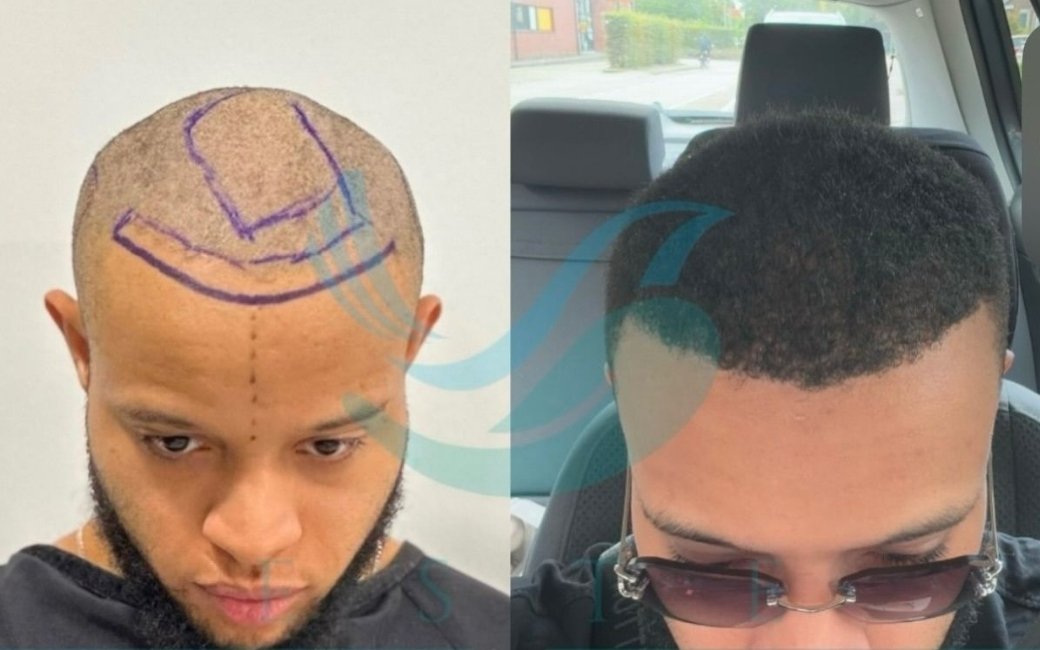
The standard EsteFavor timeline involves the procedure on day one, a supervised first wash and check on day three or four, and a return flight on day four, five, or six depending on the patient’s schedule. This structure reflects the clinical reality that patients who stay for at least three to four nights have a measurably better experience than those who try to leave on day two — both in terms of graft safety and in terms of the swelling being manageable before they travel.
Patients who live in countries with short direct flight times to Istanbul — much of Europe, the Middle East, North Africa — can comfortably fly home on day four with the standard precautions. The flight is short enough that the cumulative swelling and dryness risk is modest. Patients flying to destinations more than five hours away benefit from an additional night in Istanbul. For flights of ten hours or more, the difference between flying on day four versus day six is clinically and experientially significant.
If your return flight has already been booked and falls on day two or three, contact your clinic before the trip to discuss. It is not automatically unsafe to fly on day three — particularly for shorter routes — but the precautions need to be planned in advance, and the clinic should be aware. Flying on day two should be avoided if there is any practical alternative. The grafts are at maximum vulnerability and the risk profile is genuinely elevated.
If your return has not yet been booked: book no earlier than day four, prefer day five. This gives a comfortable margin above the risk window for short and medium haul, and represents the appropriate minimum for long-haul return. Budget accommodation is widely available in Istanbul at all price points, and an extra one or two nights is a small cost relative to the investment being protected.
Long-Haul Flights: Specific Considerations
Long-haul flights — over eight hours — introduce accumulation effects that short-haul travel does not. More cumulative desiccation, a longer period of fixed posture, more opportunity for swelling to develop and compound, and a longer window during which accidental scalp contact or missed hydration can occur. None of these make long-haul flying medically contraindicated after day five, but they make early long-haul flying — on day three or four — meaningfully more demanding than a three-hour regional flight on the same day.
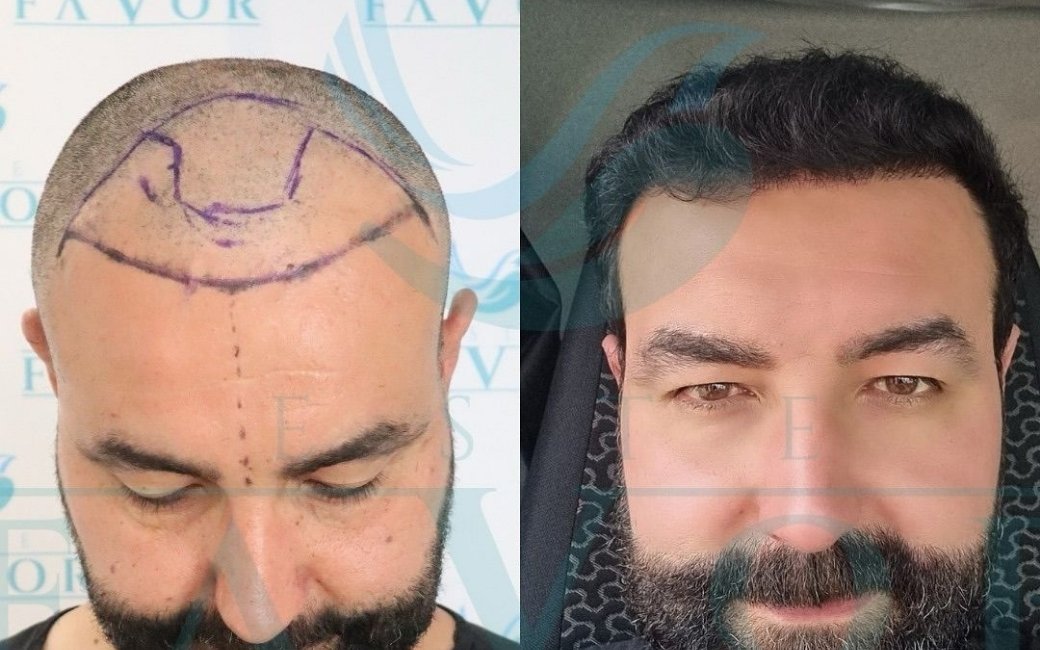
Economy seating on long-haul routes is genuinely uncomfortable for post-transplant scalp management. The fixed headrest height, the narrow seat that makes it difficult to maintain a slightly reclined head position during sleep, and the limited ability to move freely all compound the challenges described above. A quality neck pillow designed to support the cervical spine with the head resting slightly back — rather than a standard U-shaped pillow that presses the chin forward — is the most practical investment for this specific trip. Business class is obviously more comfortable for a post-surgical return flight, but the pressurisaton is identical and the medical outcome is the same in economy class with correct precautions.
For long-haul passengers, compression socks are recommended for the general reason that they are on any long flight — reduced risk of lower-limb deep vein thrombosis through improved venous return. The hair transplant itself does not meaningfully increase DVT risk, but the general principle of promoting circulation on long flights applies. Walk the aisle for two to three minutes every ninety minutes to two hours. Set a timer if you think you will fall asleep and miss your movement intervals.
Connecting flights add complexity. A fourteen-hour journey broken into two legs with a two-hour connection in a busy transit hub is more demanding than a single fourteen-hour direct flight: there is an additional disembarkation, transit through a crowded terminal, a second boarding, and the cumulative effect of two separate cabin environments. If connecting flights are unavoidable on your return journey, plan to fly no earlier than day five, and be thorough with the hydration and scalp spray protocol across both legs.
Signs to Watch for After Landing
After landing and getting to your destination, take a few minutes to inspect the scalp under good lighting. Normal post-flight findings include: mild increased dryness or slight tightening of the crust around graft sites, possibly some increased itching as the crust begins to interact with the changed humidity conditions of your home environment. These resolve with the next scheduled wash.
Forehead swelling that is more pronounced than before the flight is common in patients who flew on days three to five. It is not medically concerning, but it can appear alarming, especially around the eyes. It will peak within one to two days of landing and resolve within a further two to four days. Sleeping with the head slightly elevated for the first few nights after landing helps it resolve faster.
Contact your clinic promptly if you observe: any section of the recipient zone that appears red, warm, or shows active weeping beyond normal crust moisture; any area where a graft appears to have been displaced — visible as a small localised bare patch where a graft was previously present; any discharge or odour suggesting infection; or forehead swelling that does not begin to reduce by day five to six post-surgery. In the large majority of cases, patients who have followed the precautions described here will have nothing concerning to report after their flight.
The Practical Summary
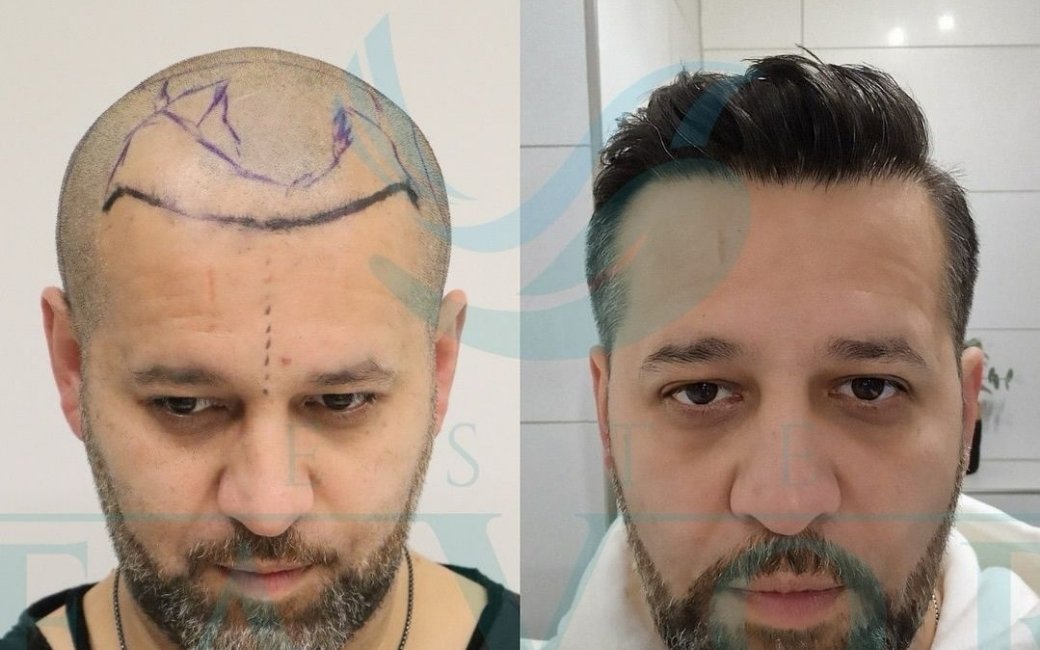
Flying after a hair transplant is safe from approximately day five in most patients, with day three to four manageable under careful precautions for shorter routes. Days one and two should be avoided. The biology of graft vascularisation is the reason for the window, and it is the reason the window exists where it does — not clinic conservatism or arbitrary caution.
The key precautions — saline spray every 60 to 90 minutes, consistent hydration, no pressure on the scalp, head slightly elevated, regular movement — are straightforward and easy to execute. The anxiety patients feel about flying home is understandable, but the risk is manageable rather than prohibitive. A well-planned flight within the correct window, with the correct precautions, will not undo a successful transplant.
