/ General/ How to Choose a Safe Hair Transplant Clinic in Turkey: 10 Red Flags
How to Choose a Safe Hair Transplant Clinic in Turkey: 10 Red Flags
Turkey has become one of the most significant destinations in the world for hair transplant procedures, and for genuinely good reasons. The concentration of experienced surgical teams, the investment in clinical infrastructure, and the cost structures that make high-quality procedures accessible to international patients have all contributed to a reputation that, in the hands of responsible clinics, is well earned. Tens of thousands of patients travel to Istanbul and other Turkish cities each year and return home with results that their local options could not have delivered at comparable cost.
The same volume of demand, however, has attracted a parallel sector of operators whose primary interest is not clinical quality but commercial throughput. Some of these operators are easy to identify. Others have invested considerably in the appearance of credibility: professional websites, curated before-and-after galleries, and marketing language that borrows the vocabulary of clinical rigor without the substance behind it. For a patient who does not know what questions to ask or what signals to look for, distinguishing between these two categories is genuinely difficult.
This article identifies ten specific red flags that signal elevated risk in a hair transplant clinic. They are drawn from the patterns that consistently appear in the case histories of patients who experience poor outcomes or post-operative complications, and from the clinical standards that separate responsible practice from its imitation. None of these flags is infallible in isolation, but the presence of several together should be treated as a serious warning.
Red Flag 1: The Doctor Is Absent During the Procedure
The single most important question a prospective patient can ask a clinic is: who will be present during my procedure, and at what stages? The answer to this question is more revealing than any amount of website content or before-and-after photography.
In responsible clinical practice, a qualified physician designs the hairline, supervises or performs the graft extraction, and remains present throughout the implantation phase. In high-volume, low-oversight operations, the physician may appear briefly for the initial incision phase and then delegate the remainder of the procedure to technicians who are not medically qualified. The patient may not be told this is the arrangement, and may assume that the doctor shown in the clinic’s promotional materials is the person performing their surgery.
This is not a minor procedural variation. Hairline placement, graft depth, angle, and direction decisions made during implantation require clinical judgment that technicians are not trained to exercise. Complications that arise intraoperatively require a physician to identify and respond to. The difference between a doctor-led procedure and a technician-led one is a difference in the fundamental standard of medical care, not a difference in technique.
Ask directly: will the doctor be present throughout the entire procedure, including implantation? Ask to have this confirmed in writing. A clinic that cannot or will not confirm this is not a clinic that should be trusted with an irreversible surgical procedure.
Red Flag 2: No Scalp Mapping or Clinical Assessment Before the Quote
A responsible hair transplant clinic cannot give a meaningful quote, a realistic graft count, or an honest assessment of achievable results without first examining the patient’s scalp. Donor density, recipient zone size, miniaturisation patterns, and scalp laxity are variables that differ between every patient and that directly determine what is possible, how many grafts are needed, and what the appropriate technique is.
Clinics that provide immediate quotes, guaranteed graft counts, or promised results before any clinical assessment has been conducted are not basing those numbers on the patient’s actual clinical situation. They are providing sales figures. The graft count that produces the best conversion rate and the graft count that is clinically appropriate for a specific patient are not necessarily the same number, and a clinic that skips the assessment step has no mechanism for distinguishing between them.
The standard should be: no quote without a scalp assessment, and no surgical plan without high-resolution scalp mapping that measures follicular density and documents the findings. Remote consultations can provide a preliminary assessment from photographs, but in-person or high-resolution video examination should precede any firm commitment. At EsteFavor, scalp mapping is a standard part of every consultation, not an additional charge or an optional extra.
Red Flag 3: Pressure to Book Immediately or Lose the Price
Time-limited pricing, disappearing discounts, and urgency-creating sales tactics are not the communication style of a medically serious institution. They are the tactics of high-conversion sales environments, and their appearance in a clinical setting is a reliable indicator that the commercial dimension of the operation is driving decisions more than the clinical one.
A patient making an irreversible surgical decision deserves the time to research, compare, ask follow-up questions, and consult with their own physician if they wish. Any clinic that creates artificial pressure to commit before that process can be completed is prioritising its own conversion metrics over the patient’s informed decision-making.
This red flag is particularly worth noting because it is sometimes disguised as helpfulness: “we only have one slot left at this price,” or “the surgeon has a cancellation next week that won’t come up again.” These framings create urgency that benefits the clinic, not the patient. A clinic confident in the quality of its work does not need to prevent patients from taking the time to evaluate alternatives.
Red Flag 4: Unusually Low Pricing With No Explanation of What Is Included
Price is a legitimate variable in the choice of a hair transplant clinic, and Turkey’s competitive pricing relative to Western European or North American alternatives is a genuine advantage that responsible clinics offer. The relevant question is not whether a price is low in absolute terms, but whether it is low in a way that can be explained by genuine cost efficiencies, or low in a way that requires compromises in clinical quality to sustain.
A procedure priced dramatically below the median for Istanbul clinics with similar technique profiles should prompt specific questions about what is included. Is the graft count the same? Is the follow-up structure equivalent? Who performs the procedure? What graft storage protocols are in place? In many cases, very low pricing reflects one or more of the following: a higher patient volume per day that reduces time per patient and per graft, use of less experienced personnel in key stages of the procedure, reduced investment in consumables and equipment maintenance, or a follow-up structure that is minimal or non-existent.
EsteFavor’s packages range from 2,000 to 4,500 USD and include VIP transfer, four-star hotel accommodation, and a 12-month follow-up programme. The price reflects the actual cost of a medically supervised procedure with appropriate clinical infrastructure. A price significantly below this range, for a comparable procedure, warrants careful scrutiny of what has been removed to make it possible.
Red Flag 5: Guaranteed Results or Specific Graft Survival Promises
Any clinic that guarantees a specific outcome, promises a defined percentage of graft survival, or represents its simulations as reliable previews of the patient’s result is either misrepresenting biological reality or deliberately misleading the patient.
Hair transplant outcomes are influenced by variables that no surgeon can fully control: the individual biology of the patient’s follicles, the natural variability in graft survival rates, the patient’s adherence to post-operative care protocols, and the ongoing trajectory of their underlying hair loss. A well-executed procedure by an experienced team, using appropriate protocols, produces results that are predictably good in aggregate but not precisely predictable for any individual patient.
A clinic that promises a specific result is making a commitment it cannot clinically fulfil. This kind of guarantee is a sales device, not a clinical standard, and it is often used in combination with simulations that show idealised rather than realistic outcomes. The appropriate clinical language is: “based on your scalp assessment and planned graft count, you can expect results in this range, subject to the biological variables involved.” A clinic that cannot use that kind of qualified, honest language should not be trusted with a more serious clinical commitment.
‘Will My Hair Transplant Look Natural‘ – the naturalness of a result depends on surgical planning and execution, not on the promises made during a sales consultation
Red Flag 6: No Transparency About Team Composition
Who actually performs the different stages of a hair transplant procedure matters clinically, and patients are entitled to know. The relevant roles are: who designs the hairline; who performs the donor extraction; who makes the recipient site incisions; who performs the implantation. In a well-structured clinical operation, the physician is involved in each of these stages, either performing them directly or supervising their performance by trained clinical staff.
A clinic that is evasive about team composition, that changes the answer when the question is pressed, or that cannot produce the credentials of the operating physician on request is signalling that the actual arrangement is one they would prefer the patient not to examine closely. This evasiveness is particularly common in clinics where the “surgeon” shown in marketing materials is not the person who will be present during the patient’s specific procedure.
Patients should ask for the name of the physician who will be present, their credentials, and their specific role at each stage. They should also ask how many procedures the physician supervises simultaneously: a physician overseeing several operating rooms at the same time cannot provide meaningful clinical supervision to any of them.
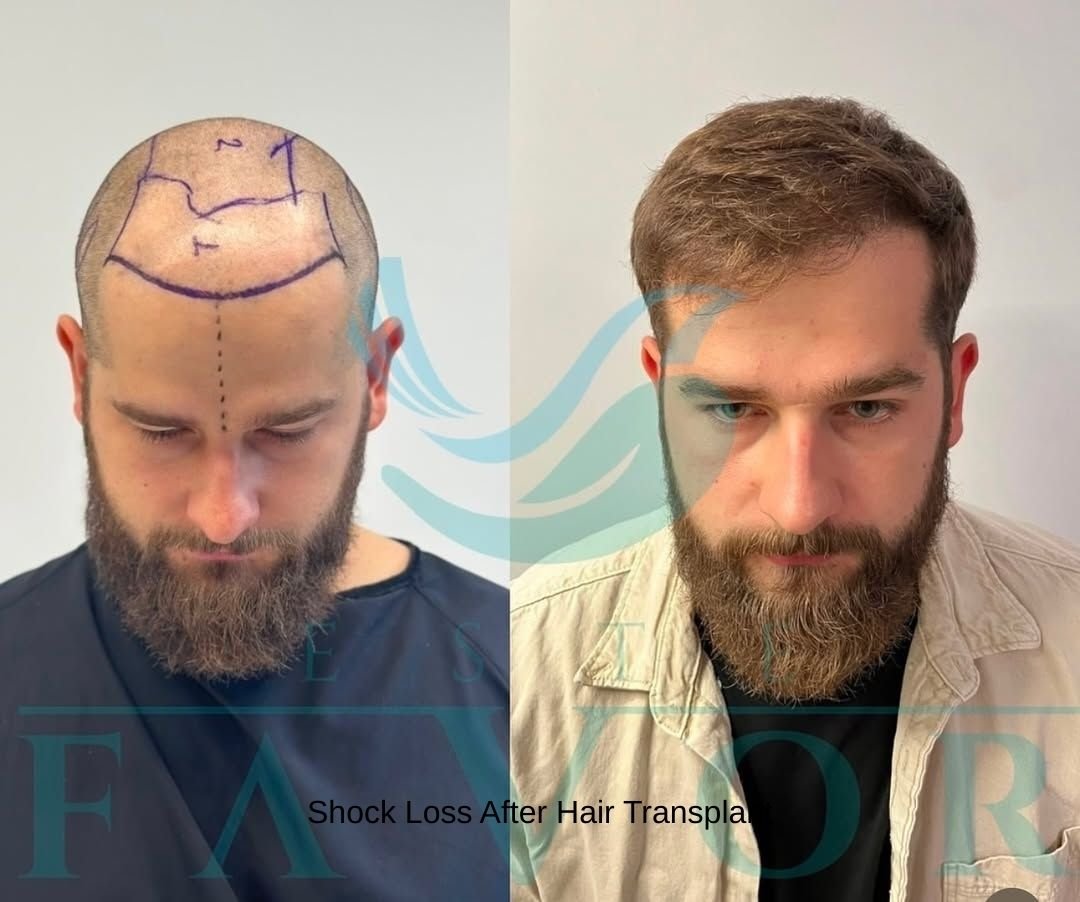
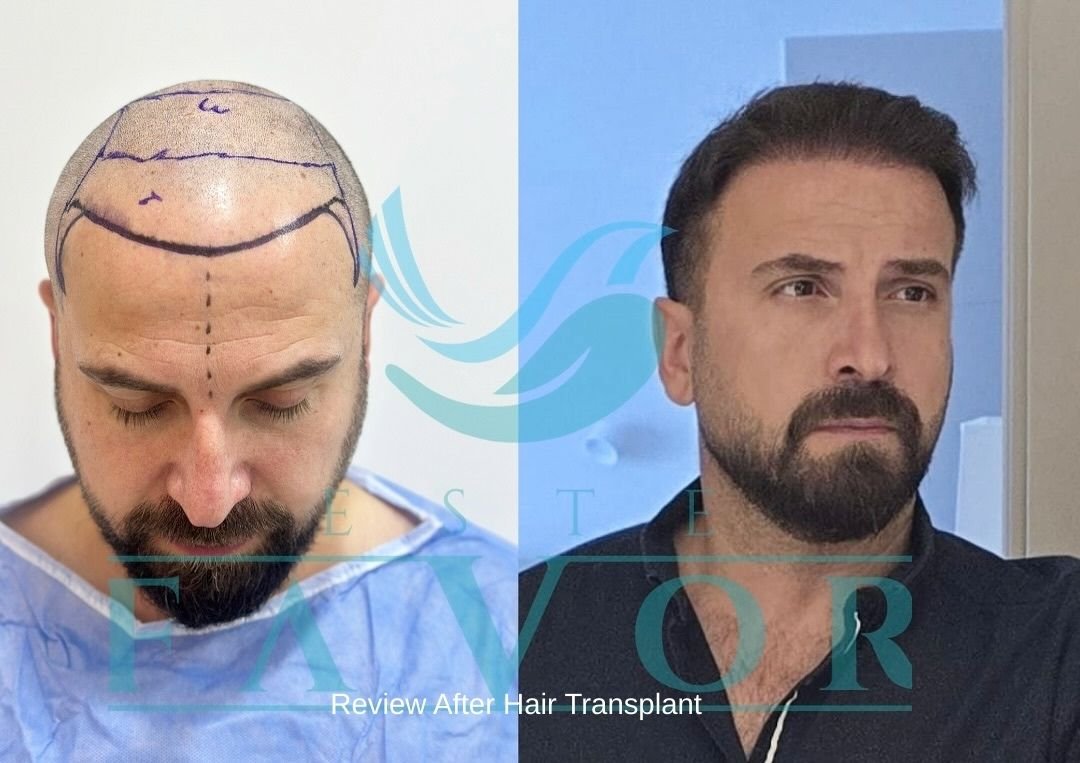
Red Flag 7: Before-and-After Photos That Are Not Representative
Before-and-after photography is the primary visual evidence that clinics use to demonstrate their capabilities, and it is also one of the most easily manipulated forms of evidence available to them. The red flags within this category are specific enough to look for individually.
Cherry-picked results: if all the before-and-after photos show outstanding density with minimal donor visibility, they are almost certainly not representative of the full range of outcomes the clinic produces. Real outcome documentation includes cases at different hair loss stages, different graft counts, and different hair types, with a range of results rather than a curated selection of the best.
Lighting and styling inconsistencies: before photos taken under harsh overhead lighting that maximises the appearance of hair loss, paired with after photos taken under soft, directional lighting that maximises hair volume, are not honest comparisons. Standardised lighting and no styling products in both images is the honest format.
No time stamps or stages: results shown without documentation of the time elapsed since the procedure, or without intermediate growth stage photographs, give no information about the time-dependency of the result or what the patient experienced during the recovery period.
Patients who know how to read clinical photography critically are significantly better protected against this form of misrepresentation. EsteFavor’s documentation protocol uses standardised framing and lighting at defined post-operative intervals, and results are presented as part of a complete photographic record rather than as selected highlights.
Red Flag 8: No Structured Follow-Up Programme
The quality of a hair transplant result is not fully determined in the operating room. The post-operative period, particularly the first fourteen days, is critical for graft survival, and the twelve months following surgery are the period during which complications, if they occur, need to be identified and addressed. A clinic that provides no structured follow-up after the procedure is leaving the patient to manage this period without clinical support.
The minimum follow-up standard that a responsible clinic should provide includes: specific post-operative care instructions tailored to the patient’s procedure; a defined contact point for clinical questions in the weeks following surgery; a review mechanism at key intervals (typically one month, three months, six months, and twelve months); and a clear protocol for what happens if the patient experiences a concern during the follow-up period.
Clinics that provide a single day of post-operative care instructions and no further contact structure are not equipped to support the full clinical outcome of the procedure. This matters particularly for international patients, who cannot easily return to the clinic for in-person review. Ask specifically: what is the follow-up protocol, who is my contact person, and what happens if I have a concern six months after my procedure?
‘Itching After Hair Transplant‘ – post-operative symptoms including itching, crusting, and folliculitis require clinical guidance to distinguish normal healing from complications that need intervention, which is why a structured follow-up channel matters
Red Flag 9: Offering Unvalidated or Experimental Treatments as Standard
Some clinics in less regulated environments offer treatments whose clinical evidence base is inadequate, absent, or fabricated, presenting them as standard enhancements to the hair transplant procedure. These offerings take advantage of patients’ limited ability to evaluate unfamiliar medical claims, and they generate additional revenue with no corresponding clinical benefit.
The treatments most commonly offered in this category use the vocabulary of legitimate research without the substance. Patients should be particularly cautious about any treatment offered as a complement to transplantation that cannot be explained in terms of its mechanism of action, its clinical evidence base, and the regulatory status in the relevant jurisdiction. A clinic that cannot answer these questions clearly about any treatment it recommends is not operating with clinical transparency.
At EsteFavor, the procedures offered are those whose safety and efficacy are established and documented: Sapphire FUE and DHI, performed within validated clinical protocols. The clinic does not offer experimental or unvalidated treatments, and does not position unproven approaches as beneficial enhancements to a well-evidenced surgical procedure.
Red Flag 10: Poor or Evasive Communication Before the Consultation
The quality of a clinic’s communication before the consultation is a meaningful predictor of the quality of its clinical process. Clinics that are evasive about pricing, team composition, or follow-up structure during the pre-consultation phase are usually evasive about those same things during the consultation itself. Clinics that communicate clearly, respond to specific questions with specific answers, and proactively share information about their protocols are demonstrating an operational culture that is more likely to extend into the clinical process itself.
Specific communication red flags include: responses that do not answer the question asked but redirect to marketing material; inability to name the physician who will perform the procedure; pressure to book without providing requested information; inconsistent answers to the same question asked at different times; and unwillingness to provide written confirmation of key terms (who performs the procedure, what is included in the quoted price, what the follow-up structure is).
Good clinical communication is not always polished or professionally produced. A smaller clinic with a genuine commitment to clinical quality may communicate less slickly than a large commercial operation. What matters is whether specific, direct questions receive specific, direct answers. If they do not, the communication pattern is a reliable indicator of the operational culture behind it.
How EsteFavor Addresses Each of These Red Flags
EsteFavor is a doctor-led clinic operating in Istanbul with procedures performed under physician supervision at every stage, from hairline design through extraction and implantation. The operating physician is present throughout each procedure and is the named clinician for every patient case.
Scalp mapping using high-resolution digital dermoscopy is a standard part of every consultation. No surgical plan is produced and no quote is confirmed without a documented clinical assessment. Pricing is transparent: packages from 2,000 to 4,500 USD include VIP transfer, four-star hotel accommodation, and a 12-month structured follow-up programme with defined contact intervals and a documented protocol for managing post-operative concerns.
The clinical team does not use time-limited pricing or urgency-creating sales tactics. Patients who complete a consultation and need time to decide, to seek a second opinion, or to compare alternatives are supported in doing so. The before-and-after documentation produced at EsteFavor uses standardised photography at defined intervals and is presented as complete case records rather than selected highlights.
None of the ten red flags identified in this article reflects the operational practice at EsteFavor. More information about the clinic’s approach, team, and procedures is available at www.estefavor.com.
‘10 Questions to Ask Your Clinic‘ – asking specific questions about protocols, team composition, and follow-up structure is the most reliable way to distinguish clinics that meet the standards described in this article from those that only appear to
Please fill in the information below for a detailed analysis
We use cookies so that we can give you the best experience on our website. If you continue to use this site, we assume that you accept it. Privacy Policy