
Every year, hundreds of thousands of people travel abroad for hair transplant procedures. The motivations vary: significantly lower prices than those available in their home country, access to clinics with high patient volumes and specialist experience, or simply the combination of a medical procedure with an opportunity to visit a city like Istanbul. Whatever the reason, medical tourism for hair restoration has become a well-established pathway that millions of patients have followed successfully.
But successfully is the operative word. The same journey that produces outstanding results for a well-prepared patient can produce a disappointing or even harmful experience for one who approaches it without adequate research and planning. The difference between these two outcomes is rarely a matter of luck. It is almost always a matter of preparation: knowing what to research, what questions to ask, what to verify before booking, how to prepare physically in the weeks before the procedure, what to do in the days immediately after, and how to manage the recovery from a distance once you have returned home.
This checklist is designed to be used as a practical reference throughout the entire process, from the first moment you consider travelling abroad for a hair transplant to the twelve-month follow-up appointment that marks the completion of your result. It is organised chronologically, following the sequence of decisions and actions that a well-prepared patient takes. Work through it in order, return to it at each stage, and adapt it to your specific circumstances and the requirements of the clinic you choose.
Stage One: Initial Research and Clinic Shortlisting
The research phase is where most of the critical work happens. A patient who invests serious time in this stage is already protected against the majority of risks that lead to poor outcomes in medical tourism for hair transplants.
Begin by understanding your own situation before evaluating any clinic. What is the extent and pattern of your hair loss? Has it stabilised or is it still progressing? Do you have a realistic picture of what a hair transplant can achieve for your specific degree of hair loss, donor density, and hair characteristics? The answers to these questions determine what you should be looking for in a clinic and what a reasonable surgical plan for your situation looks like. Going into the research phase without this self-knowledge makes it impossible to evaluate whether a clinic’s proposal is appropriate for you.
Identify at least three to five candidate clinics and gather structured information on each before making any comparison. For each clinic, you want to know: how long it has been operating, what volume of procedures it performs annually, whether the surgeon who will perform your procedure is identifiable and verifiable, what techniques are available and how the clinic determines which is appropriate for a given patient, what the all-in pricing includes and excludes, and what the aftercare protocol covers and for how long.
Review independent patient forums and communities rather than relying primarily on the clinic’s own website or social media. Look for longitudinal documentation from real patients showing the result at multiple timepoints, not just at twelve months. A patient who has posted photos at one month, three months, six months, and twelve months is providing far more reliable information than one who posts only a final result. Pay attention to how the clinic engages with patient feedback, including critical feedback, on independent platforms.
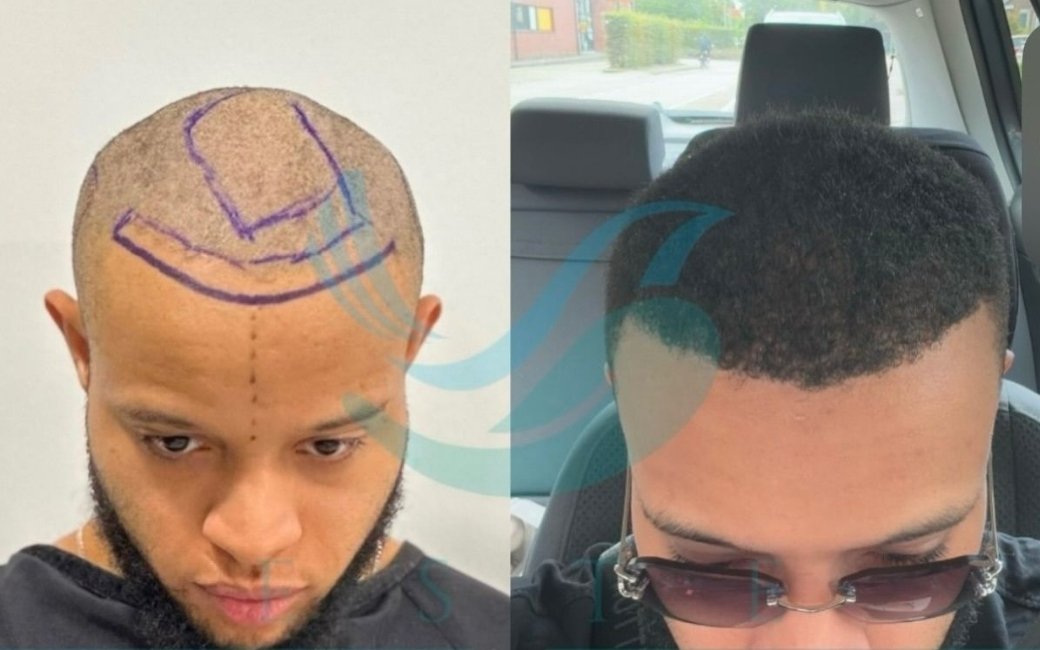
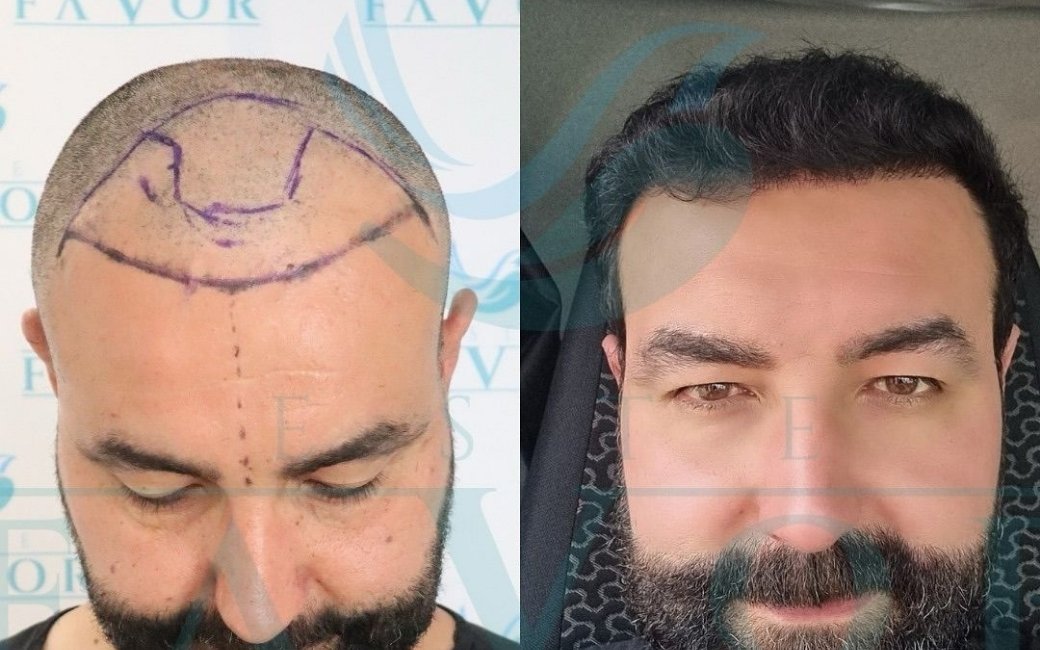
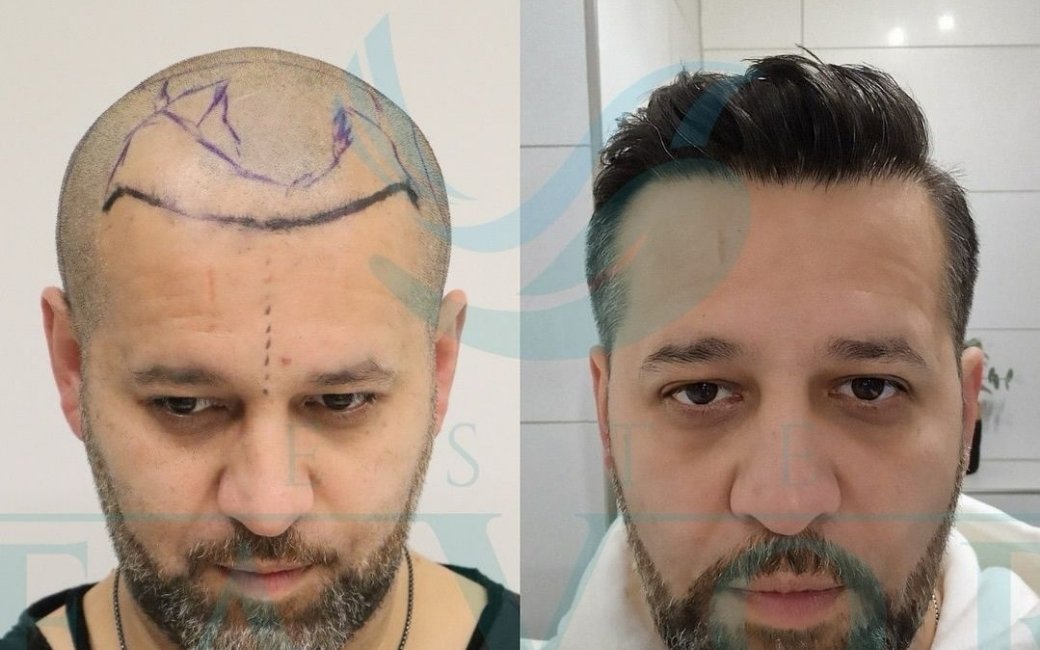
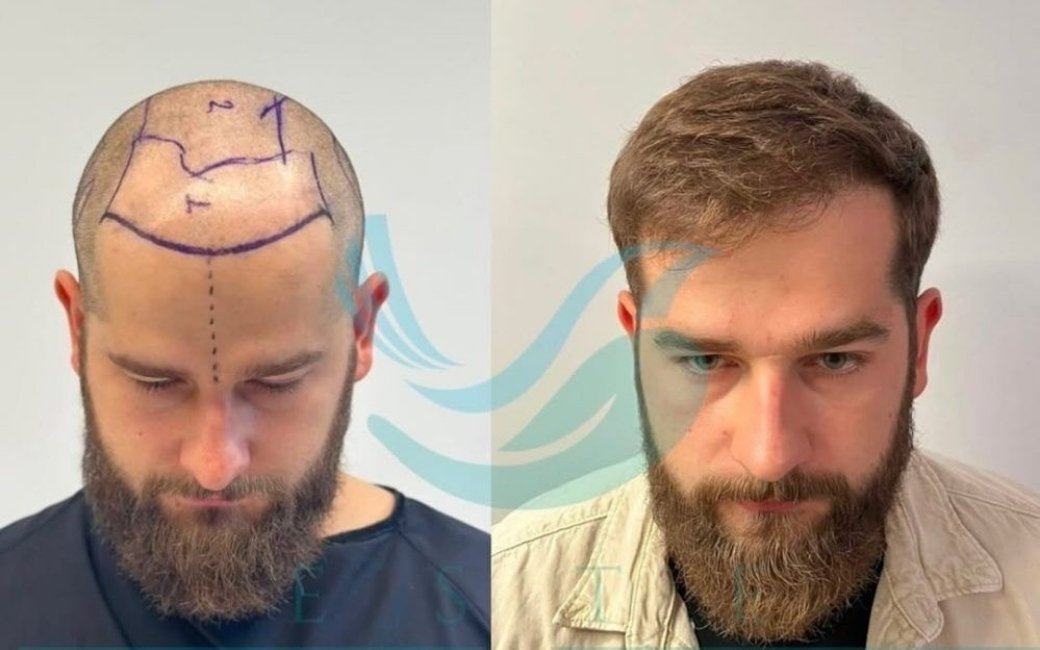
Cross-reference the clinic’s before-and-after portfolio with what you know about realistic results. If every case in the portfolio shows exceptional density regardless of starting point, something is wrong either with the selection of cases shown or with the photographic presentation. Realistic portfolios contain a range of outcomes, honestly presented, with patients at different starting points and different degrees of coverage.
Request a formal pre-operative consultation before committing to any booking. A reputable clinic will conduct a thorough remote consultation that includes review of photographs of your scalp, a discussion of your medical history and current medications, a preliminary assessment of your donor area, and a proposed surgical plan including estimated graft count and technique recommendation. If a clinic is willing to quote a price and accept a booking without this consultation, treat that as a serious warning sign.

Stage Two: Verifying the Clinic and Surgeon
Once you have a shortlist and have received preliminary proposals from each clinic, the verification stage begins. This is where you move beyond marketing material and into evidence.
Verify that the surgeon named in your consultation is actually the surgeon who will perform your procedure. Ask this directly and in writing. In some clinics, the surgeon named in promotional material is not the person who will be in the operating room for your case. The answer you receive to this direct question – and the way the clinic responds to it – tells you something important about how the clinic operates.
Check the surgeon’s credentials independently. Medical licensing information is publicly available in most countries. For procedures performed in Turkey, the Turkish Medical Association maintains records of registered physicians. Verify that the surgeon is a licensed medical doctor with documented training in hair restoration surgery, not simply a practitioner who has learned the technique without a formal medical qualification.
Ask for patient references. Any clinic that is confident in its outcomes should be willing to connect you with former patients who have consented to be contacted. Speaking directly with someone who has been through the procedure at that clinic, seen the full twelve-month result, and can describe the entire experience including the aftercare provides a quality of information that no portfolio or review platform can match.
Investigate the clinic’s physical facility. Ask what hospital or medical facility the procedures are performed in, whether it is licensed and inspected by the relevant health authority, and what the infection control protocols are. For procedures performed in Istanbul, Turkey’s healthcare facilities are regulated by the Ministry of Health, and reputable clinics operate in licensed facilities with documented sterilisation and infection control procedures.
Clarify exactly what is included in the quoted price. The all-inclusive model used by the best clinics in Istanbul typically covers the procedure itself, anaesthesia, medications, four-star hotel accommodation, airport transfer, post-operative care products, and twelve months of follow-up. Clinics that quote a low headline price but charge separately for accommodation, transfer, post-operative medications, or follow-up consultations may present a total cost that is not competitive once all elements are included.
‘10 Questions to Ask Your Clinic‘ – the verification stage is the right moment to put every question on this list to each clinic you are seriously considering, and to assess not just the answers but the quality and transparency of the responses.

Stage Three: Medical Preparation Before Travel
Once you have selected a clinic and confirmed your booking, the medical preparation phase begins. This phase starts weeks before your travel date and has a direct impact on the outcome of your procedure.
Discuss your current medications with the clinic’s medical team well in advance of the procedure date. Several commonly used medications affect the procedure: blood thinners, including aspirin and certain anti-inflammatory drugs, increase bleeding risk during surgery and must be stopped in the period before the procedure under medical supervision. Some supplements, including high-dose vitamin E, fish oil, and several herbal preparations, also have anticoagulant properties and should be reviewed. Do not stop any prescription medication without first consulting the prescribing physician.
Alcohol consumption should be stopped at least one week before the procedure. Alcohol affects blood viscosity and healing capacity, and clinics will ask you to confirm abstinence as part of the pre-operative protocol.
Smoking significantly impairs graft survival and healing by reducing blood supply to the scalp and skin. If you smoke, the medical team at a responsible clinic will discuss this with you and will recommend a period of cessation before and after the procedure. The longer the cessation period, the better the likely outcome. If complete cessation is not achievable, discuss a realistic reduction plan with the clinical team.
Get a general health check in the weeks before travel. Blood tests to confirm baseline levels, confirm the absence of active infection, and check clotting function are standard pre-operative requirements. Some clinics require these tests to be performed locally and the results shared before the procedure; others perform them on arrival. Clarify the requirement with your clinic and complete any required testing in sufficient time.
If you have any active scalp conditions, including seborrheic dermatitis, psoriasis, or active folliculitis, these must be under control before the procedure. Discuss the management of any existing scalp condition with the clinical team and with your own dermatologist or physician before travel.
Plan your travel to arrive rested. Long-haul flights followed by an early morning procedure the next day are not ideal conditions for either graft survival or your own comfort. If possible, arrive one day before the procedure to allow adequate rest, acclimatisation, and time to settle into accommodation before the appointment.

Stage Four: Logistics and Travel Planning
The logistical dimension of medical tourism for hair transplants is less complex than it may appear, particularly when the clinic provides a structured all-inclusive package, but it benefits from deliberate planning.
Confirm your accommodation arrangements well in advance. If the clinic provides hotel accommodation as part of a package, confirm the hotel name, its distance from the clinic, and whether transportation between the hotel and clinic is included. If you are arranging accommodation independently, prioritise location over cost: being within easy reach of the clinic on the day of the procedure and during the immediate post-operative days matters more than saving money on a hotel further away.
Plan your return travel carefully. Most patients are fit to fly within two to three days after a hair transplant procedure, but this should be confirmed with the clinical team based on your specific procedure. The pressurised environment of a commercial aircraft cabin does not present a specific clinical risk, but the physical exertion of airport transit, carrying luggage, and navigating connections should be minimised in the immediate post-operative period. Book a direct flight if possible and allow sufficient time at the airport to avoid rushing.
Pack specifically for the post-operative period. You will need loose-fitting clothing that does not need to be pulled over your head – button-front shirts are ideal for the days immediately after the procedure when the transplanted area must not be disturbed. Pack the post-operative care products provided by the clinic, or confirm that they will be provided on arrival. A soft pillow or travel pillow to help maintain the recommended sleeping position during the flight home is worth including.
Arrange someone to meet you on arrival home if possible. The immediate post-operative period, particularly the first forty-eight hours, is one during which having practical support available is valuable. The procedure itself is not debilitating, but fatigue, some degree of swelling, and the requirement to follow a precise care protocol simultaneously make it helpful to have assistance available.
Ensure your travel insurance covers medical procedures abroad. Standard travel insurance policies often exclude medical tourism. A policy that covers complications arising from an elective procedure abroad provides protection against the financial consequences of any unexpected post-operative development that requires treatment after you return home.
Stage Five: The Days Around the Procedure
Knowing what to expect during the procedure and in the immediate days after is an important part of preparation. Surprises in the post-operative period cause unnecessary anxiety; understanding the timeline eliminates most of them.
On the day before the procedure, avoid alcohol, get as much rest as possible, and follow any specific instructions from the clinic regarding washing the hair or other preparations. Eat a normal meal the evening before; you will typically be advised to eat a light breakfast on the morning of the procedure, as the local anaesthetic used during the surgery is administered more comfortably when the patient is not fasting.
On the day of the procedure, expect to be at the clinic for the duration specified in your surgical plan: four to eight hours is typical for most procedures. The procedure begins with the pre-operative consultation to confirm the surgical plan, followed by hairline design and marking, anaesthetic administration, donor extraction, and then implantation. Bring something to occupy you during the extraction phase, which can be lengthy. Most clinics provide a resting environment during the procedure; music, podcasts, or a film on a personal device are commonly used by patients to pass the time comfortably.
In the first twenty-four to forty-eight hours after the procedure, the primary requirements are rest, following the prescribed washing and care protocol precisely, sleeping with the head elevated to minimise swelling, and avoiding any activity that significantly raises the heart rate or blood pressure. The transplanted area will show some redness and small crusts forming around each graft site; this is normal and expected.
Between days three and ten, the initial crusts begin to resolve. Follow the clinic’s specific instructions for this period, which will typically include gentle washing protocols and the application of prescribed care products. Avoid direct sun exposure to the scalp during this period, and avoid swimming, saunas, or steam rooms for at least two weeks after the procedure.
‘What to Bring to Your Hair Transplant in Turkey‘ – a detailed packing and preparation list for patients travelling to Istanbul for a hair transplant, covering everything from clothing choices to documentation requirements.
Stage Six: Returning Home and Managing Recovery
The recovery phase after returning home is where many medical tourism patients feel most uncertain. The clinical team is in another country, post-operative changes can be alarming to the uninformed, and the temptation to seek reassurance from unreliable sources online is strong. Preparation for this phase before you leave the clinic is as important as any other element of the planning process.
Before leaving the clinic, ensure you have clear written aftercare instructions covering every aspect of the first four weeks: the washing protocol and how it changes week by week, the products to use and how to use them, the activities to avoid and when each restriction lifts, the normal signs to expect and what distinguishes them from signs that warrant contacting the clinic, and the contact details for the clinical support team. A clinic that sends you home without comprehensive written aftercare documentation is one that does not take its post-operative responsibilities seriously.
Establish the communication channel with the clinical team before departure. Whether this is a dedicated email address, a messaging application, or a patient portal, confirm that you know how to reach the team and how quickly to expect responses. For international patients, a clinical team that is accessible during the recovery period, even remotely, is a significant advantage.
The shedding phase, which typically begins between three and five weeks after the procedure, is the point at which many patients become alarmed. The transplanted hair falls out, the scalp returns to an appearance similar to before the procedure, and patients who were not prepared for this interpret it as a sign that the grafts have not survived. Understanding clearly before you leave the clinic that shedding is expected, normal, and temporary is the most important single piece of information for managing the psychological experience of recovery from abroad.
Follow-up photography is a useful tool for both the patient and the clinical team. Taking standardised photographs of the scalp at the same angles, in the same lighting, at defined intervals – one month, three months, six months, and twelve months – creates a visual record that allows the clinical team to assess progress remotely and provides the patient with objective evidence of improvement that can be compared against the timeline of expected growth.
For any post-operative concern that does not resolve within a day or two, contact the clinical team directly rather than searching online for an explanation. Online forums contain a wide range of experiences, not all of which are relevant to your specific procedure, and self-diagnosis based on forum posts frequently produces unnecessary alarm. The clinical team who performed your procedure is the appropriate source for guidance on anything that concerns you during recovery.

Stage Seven: The Twelve-Month Follow-Up
The final stage of the checklist is the twelve-month follow-up, which marks the point at which the result of the procedure is sufficiently mature to be formally assessed.
By twelve months, the transplanted hair has completed its first full growth cycle. The density, texture, and distribution visible at this point represent the stable outcome of the procedure. Some minimal further improvement may occur beyond twelve months, but the twelve-month assessment provides an accurate picture of the final result.
Schedule the twelve-month follow-up with the clinic as early as possible. If a remote assessment is being conducted, prepare a series of standardised photographs taken in natural light that clearly show the hairline, the top of the scalp, the crown, and the donor area. Compare these with the photographs taken before the procedure and at earlier follow-up points.
If the result at twelve months meets expectations, the follow-up marks the end of the active post-operative period. If concerns remain, this is the appropriate moment to discuss them with the clinical team and determine whether any corrective intervention is warranted. A clinic that takes the twelve-month assessment seriously, provides honest feedback, and remains available to discuss the outcome reflects a level of commitment to patient outcomes that extends beyond the financial transaction.
Document your experience, including the parts of the process that surprised you or that you would have prepared for differently. This documentation is useful both for your own reference and for sharing with others who are in the early stages of researching the same journey. The community of patients who have undergone hair transplant procedures in Istanbul and elsewhere represents a valuable resource for those who come after them.
How EsteFavor Supports International Patients Through Every Stage
EsteFavor’s all-inclusive approach to international patients is designed to address the specific practical and logistical challenges that this checklist describes at every stage.
From the initial consultation, EsteFavor provides a detailed pre-operative assessment that includes scalp analysis using advanced imaging technology, a documented surgical plan specifying graft count, technique, zone distribution, and design parameters, and transparent all-inclusive pricing covering the procedure, four-star hotel accommodation, VIP airport transfer, post-operative medications and care products, and twelve months of structured follow-up. The absence of hidden costs or separate charges for individual elements of the package means that the price discussed at consultation is the price paid.
On arrival in Istanbul, the VIP transfer service collects patients directly from the airport and handles all logistics between accommodation and clinic throughout the visit. For international patients arriving in an unfamiliar city for a medical procedure, the elimination of this logistical uncertainty has a material impact on the experience.
The twelve-month follow-up programme means that EsteFavor’s relationship with each patient continues well beyond the procedure itself. Remote consultation is available for patients who have returned home, growth progress is assessed at defined intervals, and the clinical team is accessible for questions and concerns throughout the recovery period. This ongoing commitment is particularly valuable for international patients for whom returning to the clinic for an in-person visit requires significant planning and cost.

Conclusion
Medical tourism for hair transplants is a well-established pathway that works reliably for patients who approach it with adequate preparation. The checklist set out in this guide is not exhaustive, but it covers the critical decision points, preparation requirements, and recovery management considerations that determine whether the experience produces an outstanding result or a disappointing one.
The single most important investment you can make is time spent in the research and verification phase before booking. Everything else in this checklist follows from that foundation. A clinic that passes rigorous evaluation, communicates with transparency, and takes its post-operative responsibilities seriously will guide you through the remaining stages effectively. Your job is to identify that clinic before you board the plane.
