/ General/ What’s New in Hair Transplant Technology in 2026?
What’s New in Hair Transplant Technology in 2026?
The field of hair restoration has never moved faster. In 2026, the convergence of digital imaging, refined surgical instruments, and data-driven planning has pushed outcomes to a level that would have seemed extraordinary just five years ago. Patients who once resigned themselves to visible plugs or uneven density now have access to procedures that are virtually indistinguishable from natural growth and the gap between expectation and result continues to narrow.
For anyone considering a hair transplant this year, understanding the current state of the technology is not a luxury it is a practical necessity. The tools available today affect everything from the precision of graft extraction to the comfort of recovery, and knowing what to ask about helps patients make genuinely informed decisions rather than relying on outdated assumptions.
This article walks through the most significant advances shaping hair transplant technology in 2026: what has changed, why it matters, and how these developments play out in a clinical setting such as EsteFavor in Istanbul. Each section addresses a distinct layer of the process, from pre-operative planning to the instruments used at the operating table.
High-Resolution Digital Scalp Mapping: The New Baseline
One of the most consequential shifts in recent years is the move from visual assessment to data-driven scalp mapping. In 2026, high-resolution digital dermoscopy combined with structured-light imaging allows clinicians to measure follicular density, miniaturisation rates, and scalp laxity with a degree of accuracy that the naked eye simply cannot match.
This matters enormously for planning. A surgeon who knows that a patient has 68 follicular units per square centimetre in the donor zone rather than estimating “good density” can project graft yield with far greater precision. That projection then feeds directly into the design of the recipient area, ensuring that the number of grafts planned is actually achievable without over-harvesting.
The technology also captures data that is invisible under ordinary light. Sebaceous activity, vascular patterns beneath the skin surface, and the angle of existing follicles can all be recorded and referenced during the procedure. This reduces guesswork at every stage and provides a repeatable baseline for follow-up comparisons so that 6-month and 12-month assessments are measured against objective data rather than patient memory.
At EsteFavor, scalp mapping is integrated into the consultation process as a standard step, not an optional add-on. The maps produced become part of the patient’s file and are referenced actively during surgery, functioning as a live guide rather than a preliminary document that gets filed away.
High-resolution mapping has also changed how patients understand their own situation. Being shown an annotated image of their own scalp with zones colour-coded by density and miniaturisation makes the clinical picture concrete. Patients leave consultations with a clear understanding of what is possible rather than a vague sense of reassurance.
Sapphire FUE in 2026: Refinements That Compound Over Time
Sapphire FUE in which incisions in the recipient area are made with blades crafted from synthetic sapphire rather than steel has been in clinical use long enough now that a substantial body of real-world data exists. What that data confirms is that the early promises have held up: sapphire blades produce incisions with smoother edges, generate less tissue trauma, and allow for more precise control of angle and depth than their steel counterparts.
In 2026, the refinements are incremental rather than revolutionary, but they compound in meaningful ways. Blade geometry has been optimised further, with manufacturers producing sapphire tips in a wider range of sizes to match different graft calibres more closely. A graft placed in an incision that precisely matches its diameter sits more securely, requires less manipulation, and is exposed to less desiccation during the procedure all of which improve survival rates.
The other development worth noting is the standardisation of blade replacement protocols. Sapphire blades maintain their edge for fewer incisions than steel before micro-deformation becomes clinically relevant. Clinics that have formalised the number of incisions per blade rather than leaving replacement to individual judgment consistently report lower rates of post-operative folliculitis and faster surface healing.
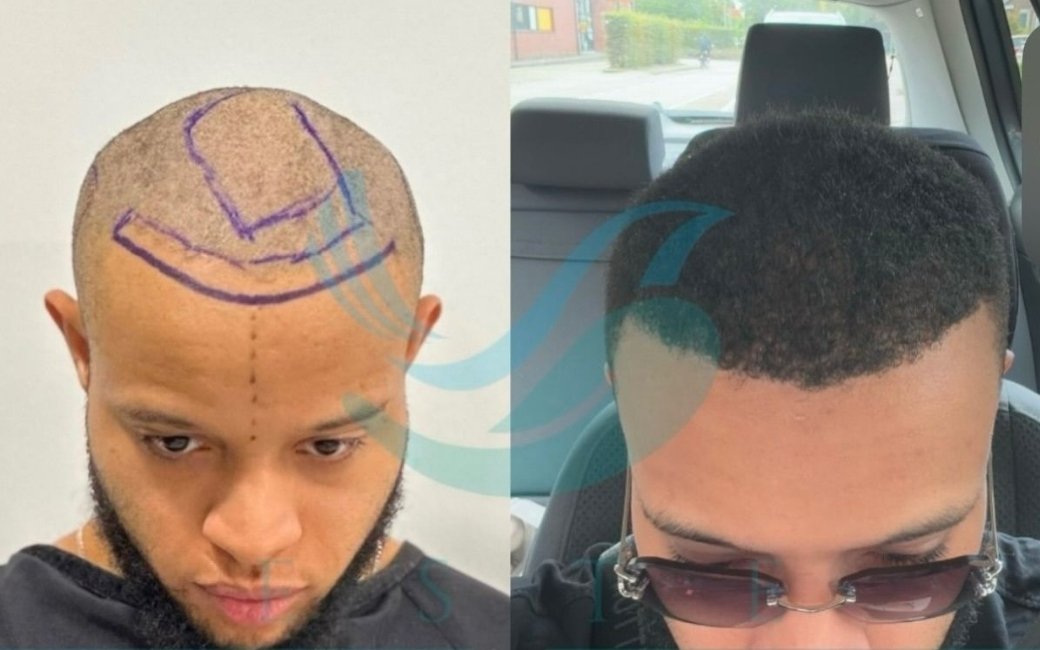
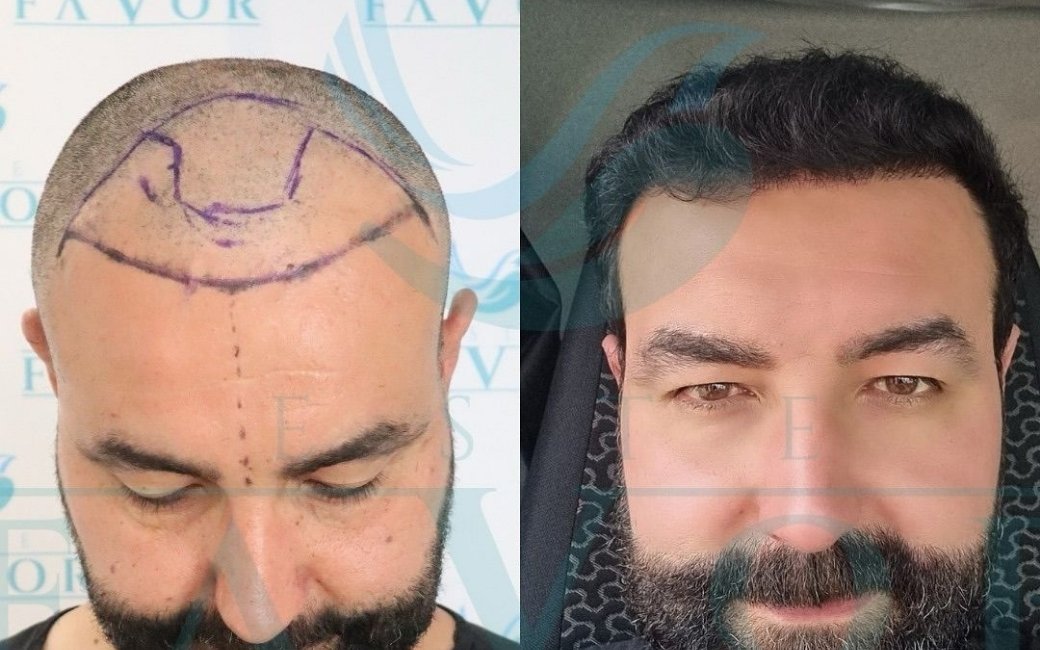
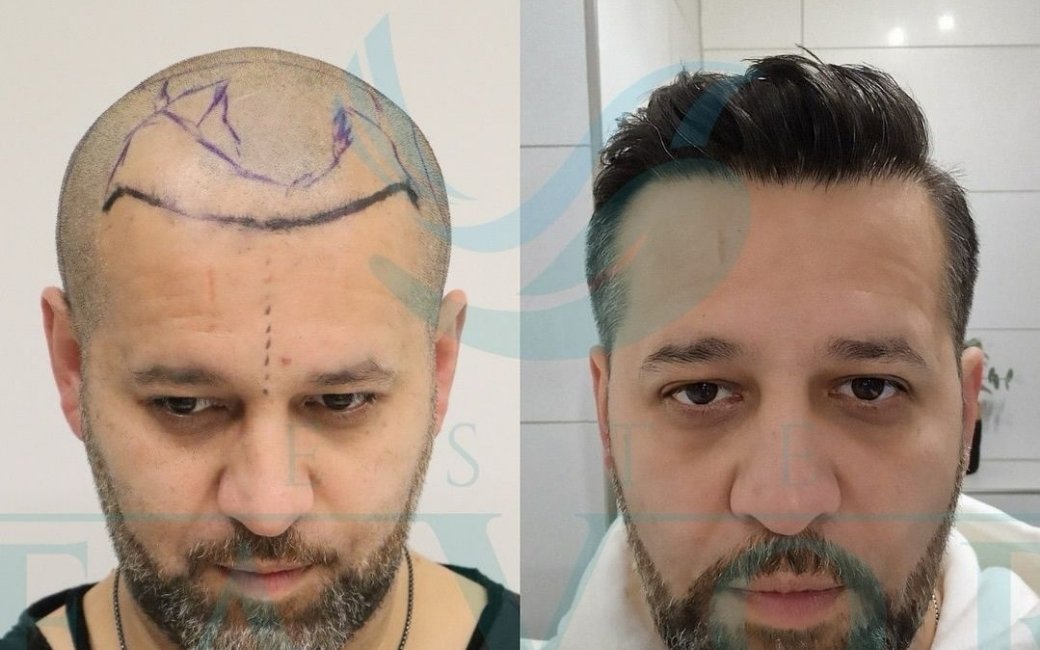
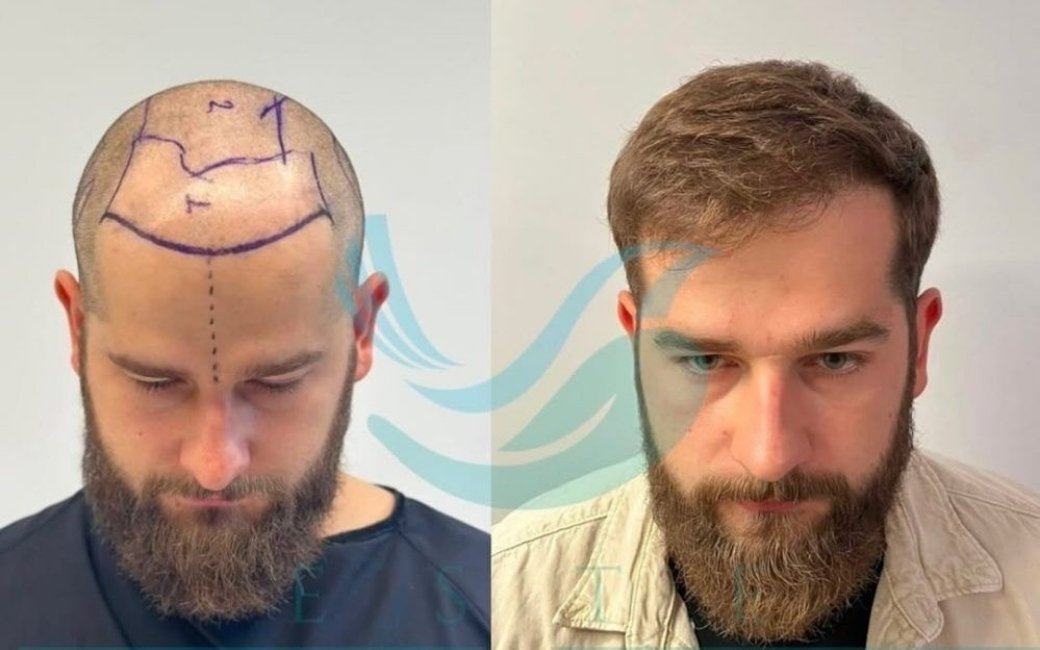
The naturalness of the hairline remains the most visible measure of a good Sapphire FUE outcome. Lateral slit incisions made with sapphire blades allow grafts to be placed at acutely shallow angles, which mimics the natural forward or lateral direction of frontal hairline hairs. When this is done well, the result reads not as a transplanted line but as a continuation of the patient’s original pattern which is the actual goal.
EsteFavor’s Sapphire FUE procedures are performed with these updated blade calibres and formalised replacement schedules as standard practice. The clinical team reviews placement angle protocols periodically as part of ongoing quality improvement, incorporating evidence from the published literature as it emerges.
‘Sapphire FUE and DHI Compared’ – the choice between sapphire blade incisions and direct DHI implantation depends on the specific area being treated and the existing hair density in the recipient zone
DHI and Choi Pen Precision: What Has Changed
Direct Hair Implantation using the Choi implanter pen remains one of the most technically demanding methods in hair restoration and one of the most rewarding when executed well. The pen allows the surgeon to create the incision and place the graft in a single motion, which reduces the time a follicle spends outside the body and minimises handling.
In 2026, the most significant evolution in DHI practice is not in the device itself but in the choreography of the clinical team around it. Experienced DHI teams have developed loading and implantation rhythms that keep each graft’s out-of-body time to a strict minimum. Research consistently shows that graft survival rates are strongly influenced by this interval and the best clinical teams treat it as a measurable variable to be managed, not an incidental factor.
Pen tip calibration has also improved. A range of tip diameters now allows the implanting surgeon to select the closest match to each graft’s diameter, reducing the micro-trauma of insertion. For patients with fine hair a common presentation in certain ethnic groups and in women this precision is particularly important, because fine-calibre follicles are more susceptible to mechanical stress.
DHI is especially well-suited to the crown area and to cases where existing hair in the recipient zone needs to be preserved. Because no pre-made incisions are required, the implanter pen can be directed between existing hairs without the surrounding tissue being disrupted. The result is increased density without the risk of shock loss to hairs that are already present.
At EsteFavor, DHI is offered as a distinct procedural option and recommended based on the specific characteristics of each patient’s case not applied uniformly. The clinical team assesses whether DHI, Sapphire FUE, or a combination approach is best suited to the patient’s goals, donor characteristics, and recipient zone needs.
AI-Assisted Planning: From Novelty to Clinical Standard
Artificial intelligence entered the hair transplant planning space several years ago as a promising but variable tool. In 2026, it has matured considerably. The systems in clinical use today are trained on large datasets of follicular images, scalp maps, and long-term outcome records and they perform specific, measurable tasks rather than offering generic predictions.
The most practically useful application is graft distribution modelling. Given a known donor yield, a mapped recipient area, and a target density, an AI planning system can generate a distribution map that optimises density coverage across the defined zone. This is not a replacement for the surgeon’s judgment the map is always reviewed and modified by the clinical team but it eliminates the manual calculation step and makes the planning process reproducible.
AI tools have also been applied to hairline design. Systems trained on facial geometry databases can propose hairline positions that are proportionate to the patient’s facial structure, taking into account forehead width, temple position, and the relationship between the hairline and other facial landmarks. The proposed design serves as a starting point for discussion with the patient, not a fixed outcome.
A further area of AI application is predictive modelling of donor stability. By analysing DHT sensitivity markers visible in follicular imaging and cross-referencing with patient age and family history, some systems can flag zones within the donor area that may be at elevated risk of future miniaturisation. Avoiding these zones during extraction preserves the longevity of the result.
What AI has not replaced and is unlikely to replace is the experienced surgeon’s ability to read a patient’s individual tissue characteristics, respond to intraoperative findings, and make judgment calls that no algorithm has encountered before. The value of AI in 2026 is as a decision-support tool that makes the surgeon more consistent, not as a substitute for clinical expertise.
‘AI-Assisted Hair Transplant Planning’ – the use of AI-assisted hair transplant planning at EsteFavor integrates digital scalp maps with distribution modelling to produce a personalised surgical plan reviewed by the medical team before any procedure begins
Graft Storage and Hydration Protocols: A Critical Behind-the-Scenes Advance
Much of the public discussion about hair transplant technology focuses on what is visible: the hairline design, the instruments used, the density achieved. Considerably less attention is paid to what happens to grafts between extraction and implantation and yet this interval is one of the most significant determinants of outcome.
In 2026, the standard of care for graft storage has risen sharply. Hypothermic storage solutions specifically formulated for follicular tissue maintain cellular metabolism at a controlled low rate, extend the safe out-of-body window, and reduce oxidative stress on the graft. Clinics using these solutions consistently report higher survival rates than those relying on plain saline or basic lactated Ringer’s solution.
Temperature management is now treated as a controlled variable throughout the procedure. Grafts are stored in cooled containers, and the graft tray used during implantation is kept at a stable low temperature. The humidity of the storage environment is also managed desiccation of the graft’s outer sheath is a significant cause of follicle death that is entirely preventable with appropriate protocols.
Timing protocols have been formalised at leading clinics to ensure that the maximum number of grafts is implanted within the first three hours of extraction. This requires the clinical team to work in a coordinated rhythm extraction, processing, and implantation happening in a carefully sequenced flow rather than in discrete phases with gaps between them.
At EsteFavor, graft handling protocols are reviewed as part of the clinic’s quality management process. The team tracks graft survival as a measurable outcome and uses that data to evaluate whether protocol changes translate into improved results. This is the kind of rigorous quality management that separates outcomes-focused clinics from those that treat the procedure as a standardised service.
Post-Operative Care Technology: Smarter Recovery in 2026
The period immediately following a hair transplant particularly the first ten to fourteen days is critical for graft survival and for the quality of the healed scalp surface. In 2026, several technological developments have improved the tools available for this phase.
Photobiomodulation devices low-level light therapy systems designed for home use have become more accessible and better validated. When used according to structured protocols in the weeks following transplantation, these devices are associated with accelerated wound healing, reduced inflammation, and improved blood flow to the recipient zone. Patients who use them consistently report less crusting persistence and faster return to normal scalp appearance.
Digital follow-up platforms have also matured significantly. Rather than relying on in-person visits alone, leading clinics now use structured remote monitoring systems that allow patients to submit standardised photographs at defined intervals. These images are reviewed by the clinical team against the scalp maps produced before surgery, allowing progress to be tracked objectively and any concerns to be identified early.
Personalised topical protocols have become more refined. Generic post-operative instructions are being replaced by recommendations tailored to the patient’s scalp type, the size of the procedure, and the specific zones treated. Patients with sebaceous scalps, for example, receive different cleansing protocols than those with dry scalps because the risk profile for each is different.
The 12-month follow-up programme at EsteFavor integrates these elements: structured remote monitoring at defined intervals, personalised topical guidance, and in-person review sessions at key milestones. The programme is designed to catch and address any complications early while also providing the patient with objective documentation of their progress.
Donor Zone Management: Precision Extraction and Long-Term Planning
The donor zone the area at the back and sides of the scalp from which grafts are harvested is a finite resource. How it is managed during and after a procedure has a direct bearing on both the current result and the patient’s options for any future procedures.
In 2026, micro-punch technology has continued to advance. Motorised extraction systems now offer programmable depth control, adjustable rotation speed, and real-time feedback on extraction resistance variables that affect how cleanly the follicular unit is separated from the surrounding tissue. Cleaner extraction means less transection (cutting through the follicle) and higher graft quality.
Distribution mapping of extraction sites has become standard practice at clinics with serious quality commitments. Rather than extracting from the densest available zone until it is depleted, a mapped extraction approach spreads the harvesting across the donor area according to a pre-calculated grid. The result is a donor zone that heals to an even appearance rather than showing areas of thinning adjacent to areas of untouched density.
The concept of donor reserve planning has gained prominence. At the consultation stage, the clinical team now routinely assesses not just what is available for the current procedure but what would remain available if the patient needed a second procedure in the future. This is particularly relevant for younger patients, whose hairline recession may continue after the transplant.
EsteFavor’s approach to donor zone management treats the patient’s long-term hair capital as something to be stewarded over time, not depleted in a single session. The clinical assessment includes a frank discussion of the patient’s current Norwood stage, the likely trajectory of their hair loss, and how to allocate donor grafts in a way that serves their interests across decades rather than just the immediate result.
‘Second Hair Transplant’ – planning the donor zone carefully during a first procedure directly affects whether a second hair transplant is viable if further recession occurs later
What to Look for in a Clinic in 2026
The availability of advanced technology does not automatically translate into advanced outcomes. The way technology is used the protocols built around it, the training of the team, the quality management processes that govern every step determines whether the potential of the tools is realised in the patient’s result.
When evaluating a clinic in 2026, patients should ask specific questions about protocols rather than simply checking whether a clinic advertises a particular technique. Questions about graft storage solutions, blade replacement schedules, team composition during the procedure, and follow-up monitoring systems reveal more about a clinic’s actual standard of care than any list of technologies on a website.
The composition of the operating team deserves particular attention. The presence of a qualified doctor throughout the procedure not just at the initial incision phase is a substantive indicator of clinical seriousness. Procedures where the doctor delegates the implantation phase entirely to technicians are operating at a lower standard of medical oversight than those where the physician is present and active throughout.
Transparency about outcomes is another meaningful signal. Clinics that track and share their graft survival data, their complication rates, and their patient satisfaction metrics are operating in a fundamentally different way from those that rely on curated before-and-after photographs. Asking to see outcome data and observing how a clinic responds to that request is genuinely informative.
EsteFavor operates as a doctor-led clinic, with the supervising physician present throughout each procedure. The clinic’s packages, ranging from 2,000 to 4,500 USD inclusive of VIP transfer, four-star hotel accommodation, and 12-month follow-up, are structured to make a high standard of care accessible to international patients without hidden costs. The value proposition is not the lowest price it is a comprehensive, medically supervised experience in which the technology described throughout this article is applied within a rigorous clinical framework.
Conclusion
Hair transplant technology in 2026 represents a genuine maturation of the field. The advances described here from high-resolution scalp mapping and refined Sapphire FUE to AI-assisted planning and evidence-based graft handling are not marketing claims but measurable improvements in clinical practice that translate directly into better patient outcomes. The gap between what is possible and what patients actually receive has narrowed, but only at clinics that have built rigorous systems around the available tools.
For patients considering a procedure this year, the message is encouraging: the technology exists to produce results that are natural, durable, and consistent. The task is choosing a clinic where that technology is applied within a framework of genuine medical oversight, transparent outcome tracking, and a long-term commitment to the patient’s result. EsteFavor’s approach to all of these elements is available to explore at www.estefavor.com
Please fill in the information below for a detailed analysis
We use cookies so that we can give you the best experience on our website. If you continue to use this site, we assume that you accept it. Privacy Policy