


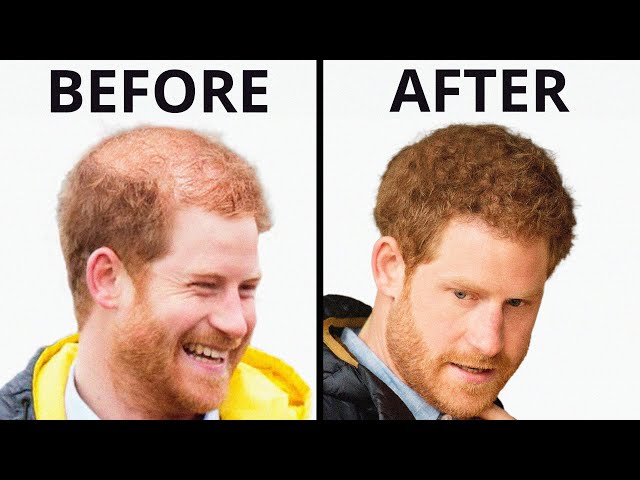
Hair Transplantation in Men
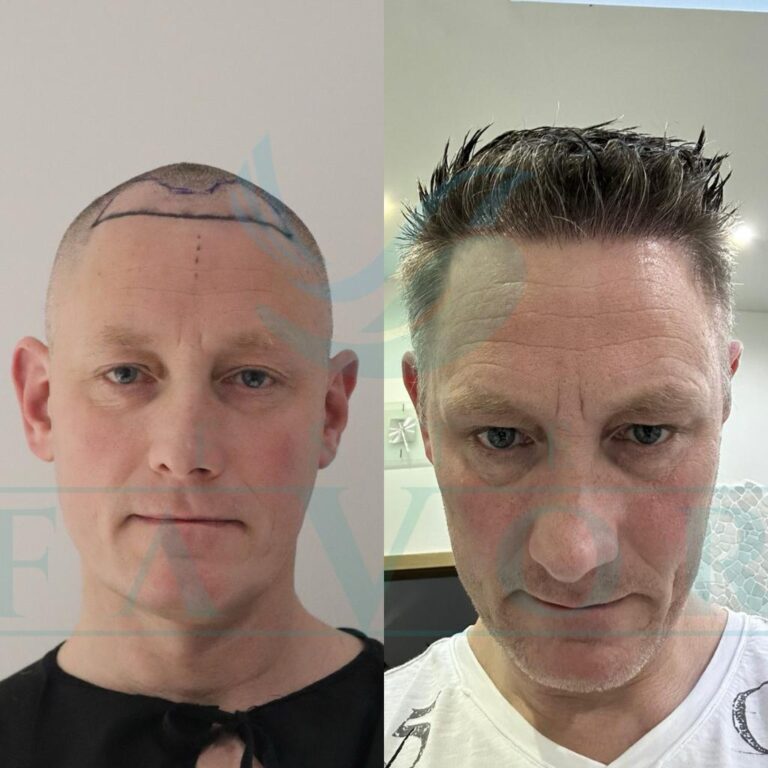
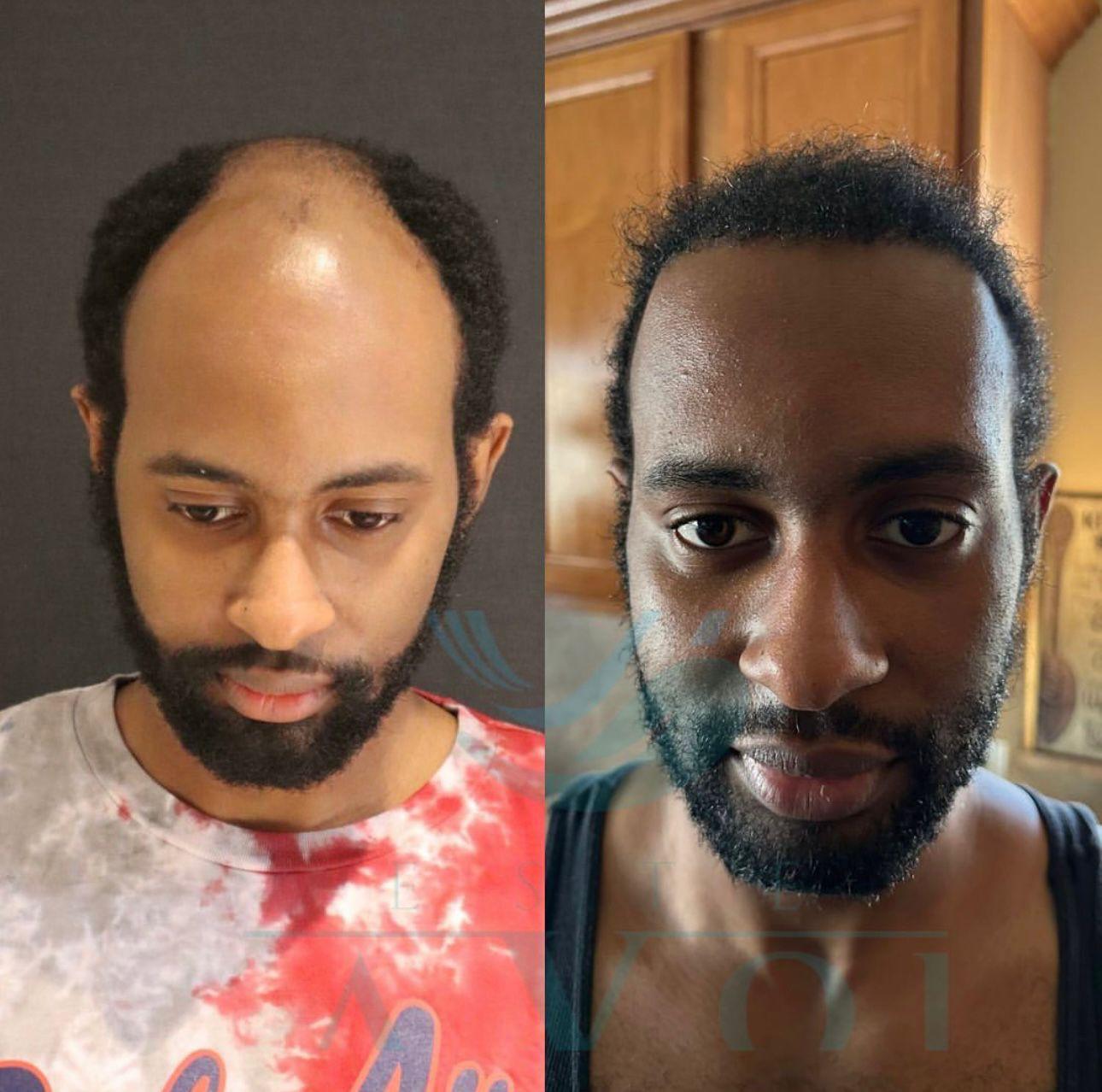
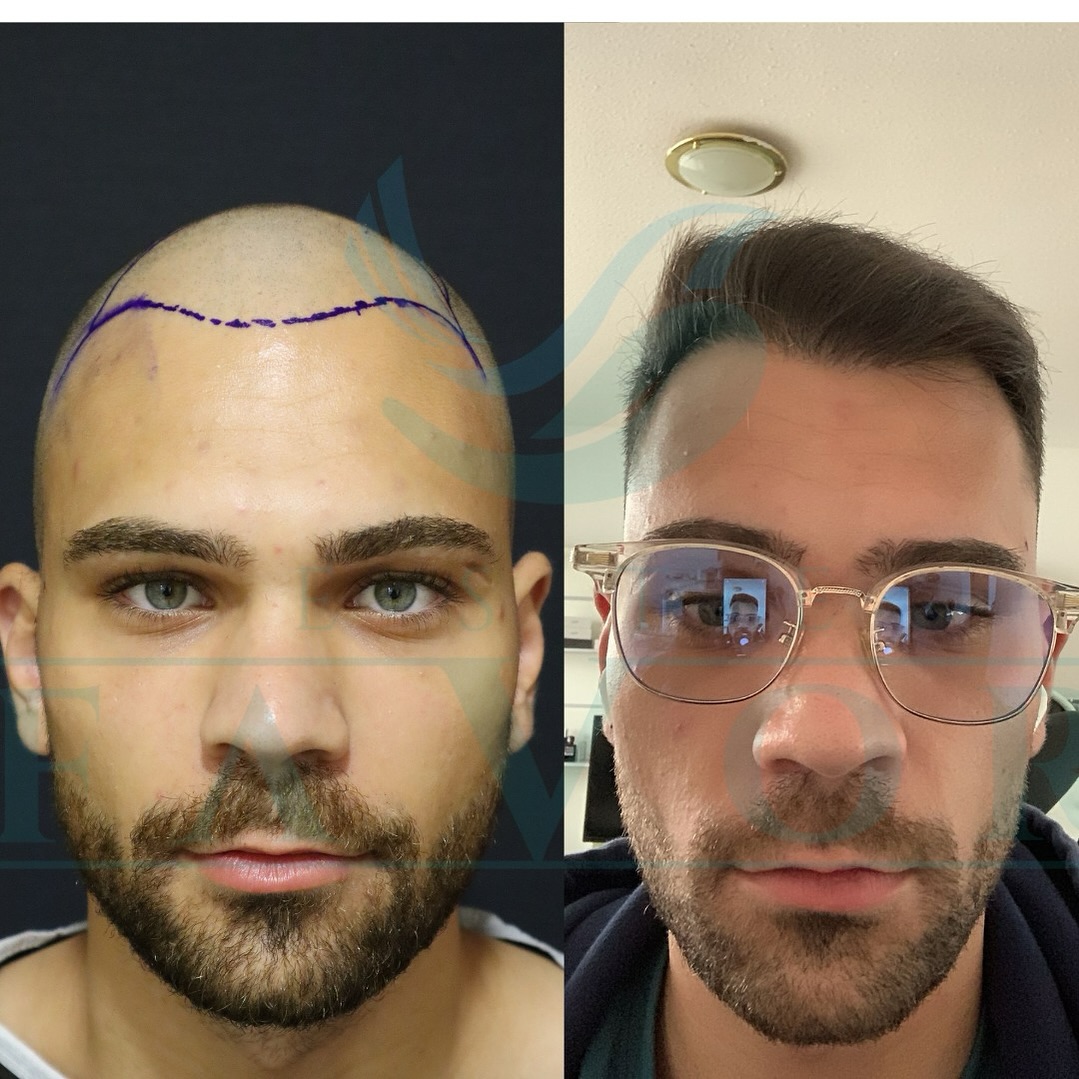
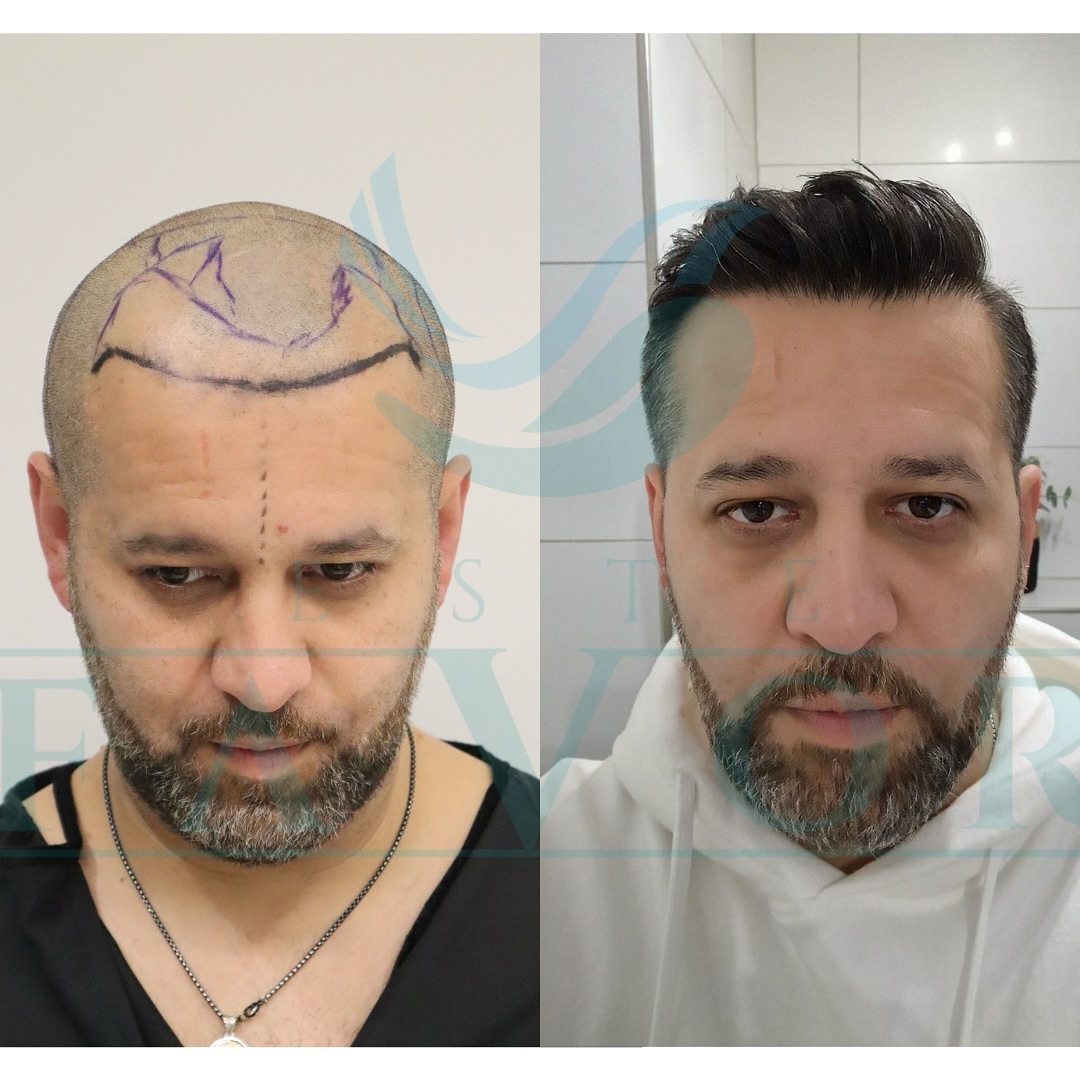
Regain Your Confidence with Natural, Permanent Men Hair Transplantation
Hair loss doesn’t have to be permanent. If you’re researching hair transplant Turkey options, you’ve come to the right place. Turkey has become the global leader in hair restoration, combining world-class medical expertise with affordable pricing—and EsteFavor stands at the forefront of this revolution.
Table Of Contents - Sayfa İçeriği
ToggleAs one of the best hair transplant clinics in Turkey, EsteFavor specializes in advanced hair transplantation for men in Istanbul. Our state-of-the-art facility brings together board-certified surgeons, experienced medical teams, and cutting-edge FUE and DHI technologies in fully sterile, internationally accredited surgical suites.
Why thousands of men choose EsteFavor:
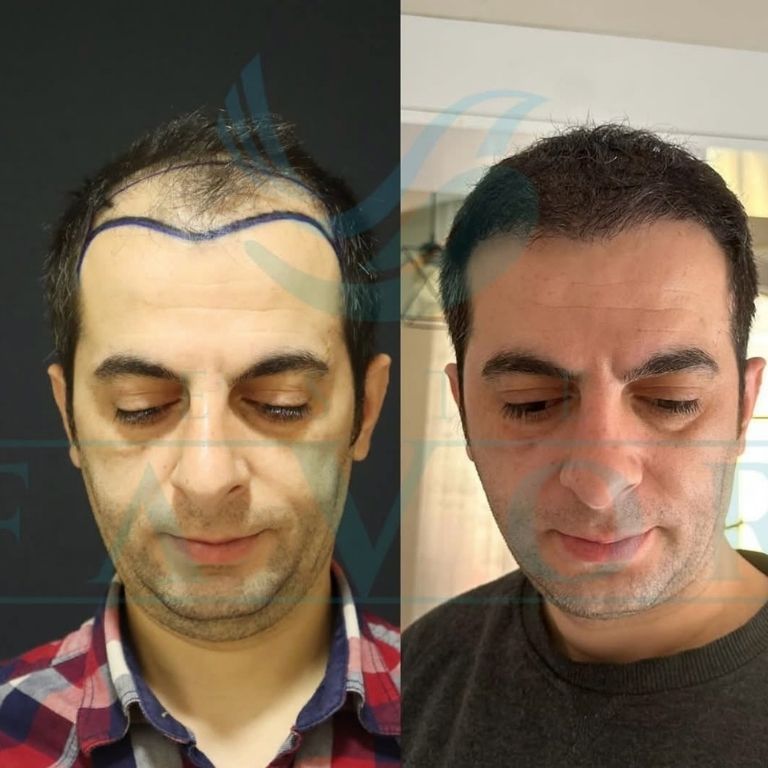
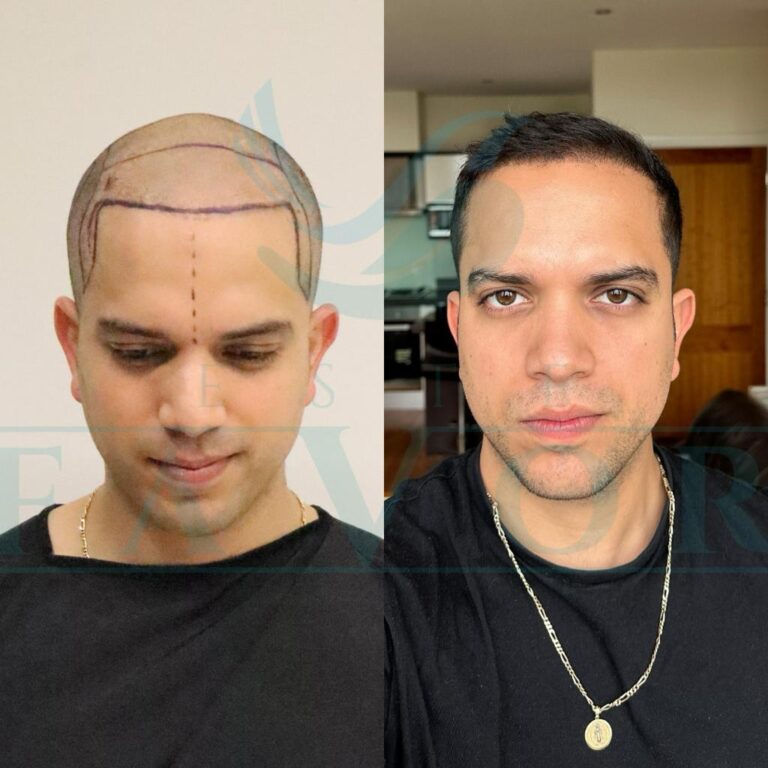
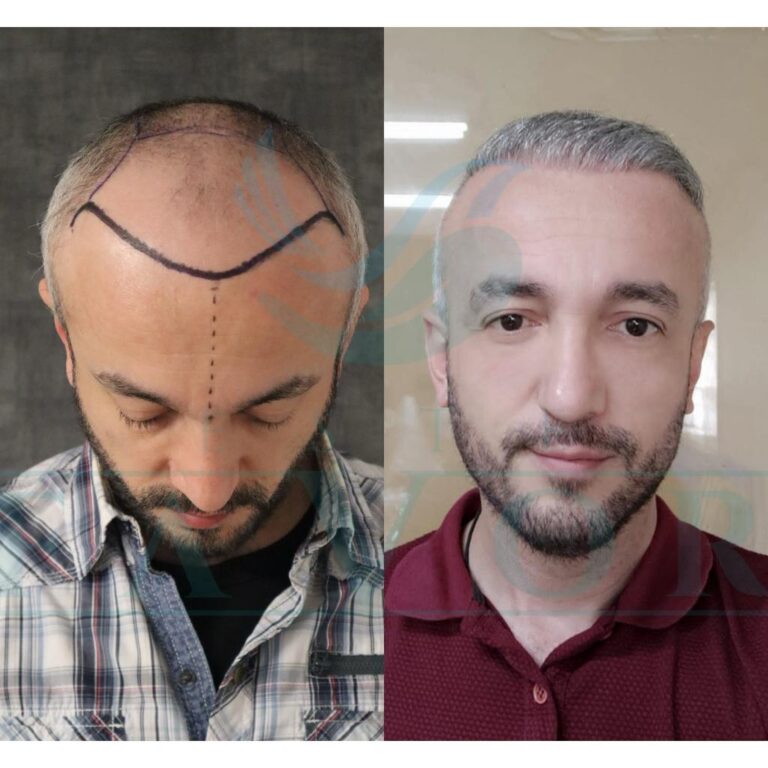
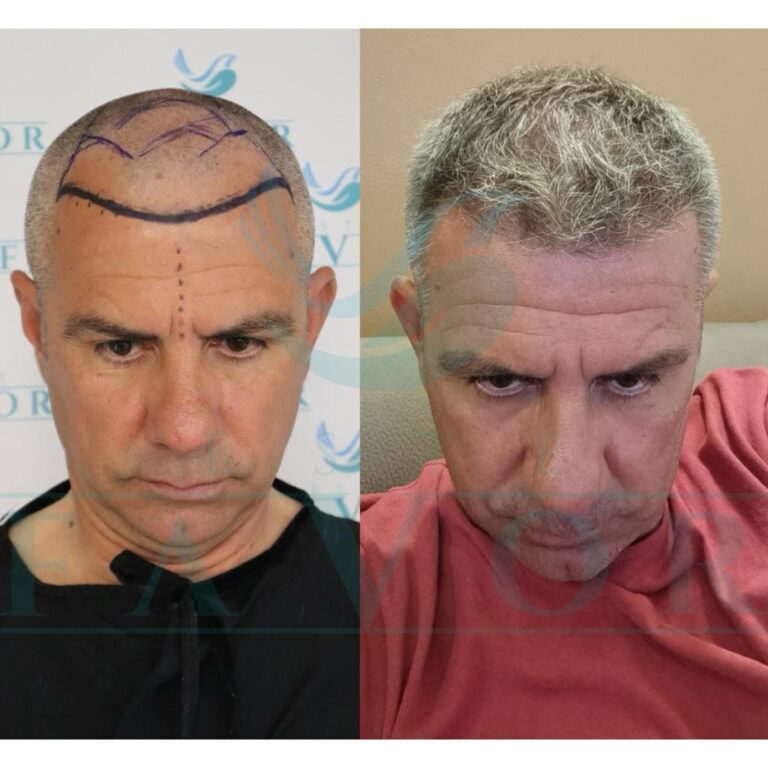
Men from over 50 countries trust us because we deliver what matters most: natural-looking results that last a lifetime. Whether you’re experiencing early thinning or advanced hair loss, our personalized approach ensures your new hairline complements your facial features perfectly.
Transparent pricing, exceptional value:
Concerned about hair transplant Turkey cost? We understand. That’s why EsteFavor offers all-inclusive packages with transparent pricing—no hidden fees, no surprises. You’ll receive premium care at a fraction of what you’d pay in the US, UK, or Western Europe, without compromising on quality or safety.
What makes us different:
Our doctors don’t just perform procedures—they create transformations. With an innovative, patient-first philosophy, we combine medical excellence with genuine care. From your first consultation through your final follow-up, you’ll experience the EsteFavor difference: meticulous attention to detail, honest medical advice, and results that speak for themselves.
In this comprehensive guide, you’ll discover everything about male hair transplantation: the latest techniques we use, what to expect during recovery, realistic timelines, and how to choose the right clinic for your transformation.
Your journey to natural, permanent hair restoration starts here.
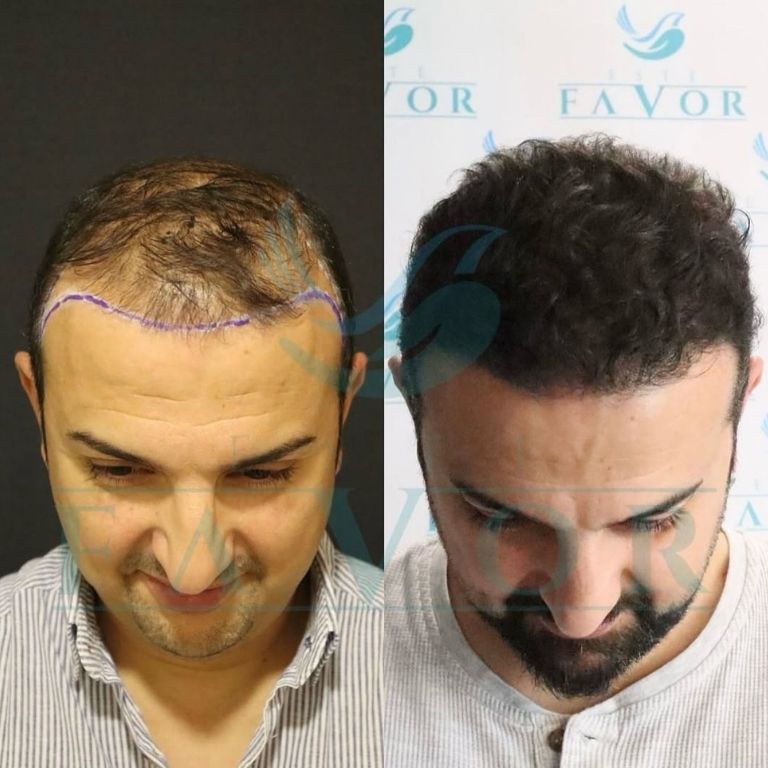
Get Your Free Hair Transplant Analysis Now!
Discover how many grafts you need, learn the most suitable technique for your hair type, and receive a personalized treatment plan from our specialists — completely free.
Start your analysis today and take the first step toward your new look!
Why Do Men Have Hair Transplantation?
Hair loss is more than a cosmetic issue—it’s a confidence crisis that affects millions of men worldwide. Whether caused by genetics, hormones, or stress, male pattern baldness can significantly impact self-esteem and social interactions.
The Psychological Impact of Hair Loss
Research reveals compelling truths about hair and male confidence:
- Men with fuller hair are perceived as 5-7 years younger than their actual age
- A full head of hair signals vitality, health, and attractiveness
- 60% of men with hair loss report anxiety, depression, or social withdrawal
- A Johns Hopkins University study found that hair loss directly impacts romantic confidence and career perception
Hair as a Modern Masculine Statement
In today’s world, hair and facial hair have become essential grooming elements—the male equivalent of makeup. A well-designed hairline or strategically crafted beard can completely transform your appearance and boost your confidence.
At Este Favor, we don’t just transplant hair—we design personalized looks that match your facial structure and lifestyle. Natural, age-appropriate results that reflect who you are.
Turkey: The Global Leader in Hair Restoration
The numbers speak for themselves:
- 500,000+ international patients chose Turkey for hair transplantation last year
- Turkish clinics perform 10 procedures every minute
- 60-70% cost savings compared to the US and Europe—without compromising quality
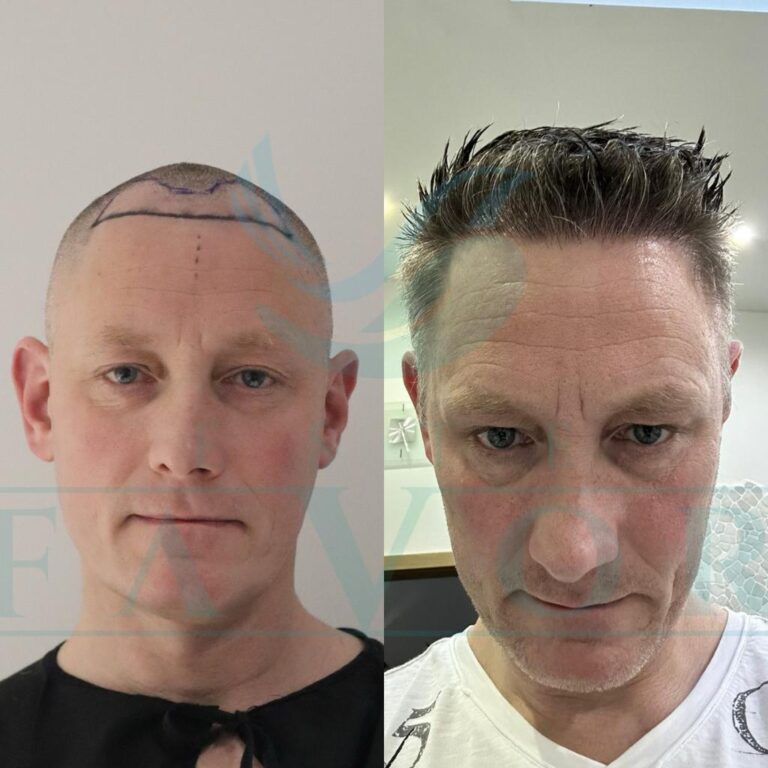
So why do hair transplant recipients prefer to hide this situation?
Many men who maintain an active business life prefer solutions like Unshaved Hair Transplantation to avoid the obvious signs of a procedure. Since the hair is not completely shaved in this method, there is no drastic change in appearance. The hair continues to grow naturally, becoming fuller day by day, which allows the entire process to remain discreet and comfortable.
Prejudices about hair transplantation and the lack of knowledge among people around them often lead men to hide the fact that they had a transplant. This is completely understandable. That’s why choosing a clinic that understands these concerns is essential.
At EsteFavor, considered by many international patients as one of the best hair transplant clinics in Turkey, we work with techniques tailored to your expectations. Whether you prefer an immediate return to daily life or a treatment focused on maximum density, our medical team guides you toward the right option.
If you don’t want anyone to notice your procedure, Unshaved Hair Transplantation is the ideal choice. You can go back to work or social life without drawing attention.
If you have the opportunity to rest for a few days and prioritize high-density results, you can choose Sapphire FUE, performed with advanced sapphire blades that allow precise and natural-looking graft placement.
Would you like to regain your hair, feel more confident, and make a long-lasting change in your appearance?
EsteFavor is ready to welcome you in Fatih, Istanbul. You can contact us anytime to get information about hair or beard transplantation, learn more about hair transplant Turkey cost, or schedule your consultation.
Get Your Free Hair Transplant Analysis Now!
Discover how many grafts you need, learn the most suitable technique for your hair type, and receive a personalized treatment plan from our specialists — completely free.
Start your analysis today and take the first step toward your new look!
How is Hair Transplantation Performed in Men?
In men hair transplantation, the underlying genetic and environmental factors contributing to hair loss are carefully analyzed. A comprehensive assessment of the scalp—including skin structure, follicular density, donor capacity, and the anatomical characteristics of the hair shaft—is essential before planning any procedure.
Each hair transplant is fully personalized. The number of grafts required, the patient’s expectations, the characteristics of the donor area, and the size of the thinning or open area are evaluated in detail. Based on these findings, a customized treatment plan is created to achieve the most natural and long-lasting results.
For hair transplantation in men to deliver dense, natural, and harmonious outcomes, two critical steps must be performed exclusively by a qualified doctor:
accurate graft calculation and the design of an anatomically correct frontal hairline. The hairline determines the aesthetic balance of the face, while proper graft planning ensures lifetime durability of the results. Since hair transplantation is a permanent solution, trusting experienced professionals is essential.
Male hair transplantation typically proceeds through the following stages:
Before your scheduled hair transplant day, you will be invited to EsteFavor for a pre-operative evaluation. During this visit, a series of routine blood tests will be performed as part of the standard hair transplant protocol.
These tests are extremely important for several reasons. First, they help ensure that you are in suitable health for the procedure by checking factors such as blood count, inflammation markers, immune status, and potential chronic conditions that may affect healing. Second, screening for blood-borne infections—such as hepatitis or HIV—is a crucial safety step designed to protect both you and the medical team. Identifying any underlying medical issues in advance allows your doctor to plan the safest and most effective treatment approach.
In addition to the blood tests, your general health history may be reviewed, your medication use will be assessed, and you may receive personalized instructions to follow before the procedure. This pre-transplant preparation ensures that your hair transplant is carried out under the best clinical conditions and with maximum safety.
During your pre-transplant consultation, your doctor performs a comprehensive examination of your scalp. This includes evaluating the donor area capacity, identifying the thinning or open regions that require filling, and determining the exact number of grafts needed to achieve a natural and balanced result.
You will also have a detailed one-on-one consultation where your expectations, hair structure, lifestyle, and long-term goals are discussed. After this assessment, your doctor provides a professional evaluation based on medical criteria, your hair characteristics, and the desired final appearance.
With all these findings, the most suitable hair transplant method—such as Sapphire FUE, DHI, or Unshaved Hair Transplantation—is selected to ensure the safest procedure and the most natural outcome for you.
The hair transplant procedure begins with the application of local anesthesia to ensure that you remain comfortable throughout the operation. In some cases, sedation-assisted local anesthesia may be recommended, especially during the phase where grafts are harvested from the donor area.
When sedation is used, the patient enters a state between sleep and wakefulness—calm, relaxed, and unaware of the ongoing procedure. During this phase, no pain or discomfort is felt. Despite being deeply relaxed, the patient is still able to respond to simple instructions and maintain essential bodily functions safely.
Sedation not only increases comfort but also helps reduce anxiety for patients who are sensitive to injections or lengthy medical procedures. This allows the entire hair transplant process to be completed smoothly, effectively, and under optimal clinical conditions.
For graft harvesting under anesthesia, doctors typically prefer the donor area located at the nape. The follicles in this region are genetically resistant to shedding and have a strong growth potential throughout life. In addition, the hair thickness, hardness, and natural exit angle in the nape area closely match the characteristics of the original scalp hair, making it the most ideal donor source for natural-looking results.
If the number of grafts in the nape region is not sufficient to cover the recipient area, your doctor may use an advanced technique known as Body Hair Transplantation (BHT). At Favor Clinic, grafts can be collected from other suitable body areas—such as the beard or chest—using specialized extraction tools designed to protect follicular integrity.
Once harvested, all grafts are immediately placed into a special preservation solution. This solution helps maintain cellular vitality, reduces dehydration, and minimizes tissue loss during the transplantation process. By protecting the grafts under optimal conditions, higher survival rates and more successful final results are achieved.
The grafts preserved in the special solution are carefully maintained to ensure their viability until implantation. While the grafts remain under ideal conditions, your doctor begins the canal (incision) opening phase, following the pre-determined recipient areas and the personalized frontal hairline design. This step is crucial for creating the correct angle, direction, and density needed for a natural appearance.
In the DHI (Direct Hair Implantation) technique, canal opening is not performed as a separate stage. Instead, both the incision and the placement of the grafts are completed simultaneously using a specialized device called the Choi Implanter Pen. This tool allows the doctor to implant each follicle with precise angle and depth control, making the process more refined.
In all other variations of the FUE method, canal opening and graft placement are carried out as two distinct stages. First, micro-incisions are created in the recipient area using sapphire or steel blades, depending on the chosen technique. Then, the preserved grafts are carefully inserted into these channels one by one.
By selecting the appropriate method—DHI or FUE—your doctor ensures that the transplanted hair matches your natural growth pattern and provides long-lasting, aesthetically pleasing results.
After the canals have been opened, your doctor begins the meticulous process of implanting each graft individually into the designated recipient areas using specialized medical instruments. Every graft used in hair transplantation typically contains two to three hair follicles, sometimes even more, depending on the donor area characteristics.
At this stage, the angle, direction, depth, and alignment of each implanted graft are critically important. These parameters must match the natural hair growth pattern unique to each patient. Precise control of these factors ensures that the transplanted hair blends seamlessly with the existing hair and prevents the unnatural, upright, and clustered appearance often referred to as the “grass man” effect.
By placing each graft with careful attention to anatomical harmony, your doctor ensures that the final result looks natural, dense, and aesthetically balanced.
Note: A standard hair transplant can take between 6 and 8 hours. During this period, it is very important that the patient is conscious and can meet his basic needs. Approximately 4500 grafts are transplanted in a standard hair transplant. If more grafts are needed, the hair transplant process can be divided into two days.
Get Your Free Hair Transplant Analysis Now!
Discover how many grafts you need, learn the most suitable technique for your hair type, and receive a personalized treatment plan from our specialists — completely free.
Start your analysis today and take the first step toward your new look!
At EsteFavor, we are committed to performing hair transplantation procedures for men with permanent, dense, and natural-looking results. To achieve this, we combine the most suitable hair transplant technique with the correct number of grafts required for each individual. Every treatment plan is tailored to the patient’s unique needs to ensure the highest level of success.
We continually follow global advancements in the field of hair restoration and make it our priority to bring these innovations directly into practice in Turkey. Our goal is to remain one of the leading clinics that adopts and implements modern techniques at an international standard.
Our primary mission is to ensure that every patient—who starts this journey with high expectations—experiences genuine satisfaction when they see their final results. To deliver this, we maintain uncompromising professionalism throughout every stage of the procedure. All steps of the hair transplantation process are performed under the supervision of a specialist doctor, and we provide an ultra-hygienic, sterile clinical environment to ensure maximum safety and comfort.
If you would like to take the first step toward regaining your natural hair appearance, you can contact EsteFavor to schedule a detailed examination and secure your appointment for hair transplantation.
By Which Methods Is Hair Transplantation Performed In Men?
At EsteFavor, we perform male hair transplantation using a selection of modern, advanced, and clinically proven techniques. Each method is designed to deliver natural, dense, and long-lasting results.
During your personalized medical consultation, your doctor will thoroughly examine your scalp, evaluate your donor capacity, and discuss your expectations. Based on this detailed analysis, we will determine the most suitable hair transplant method specifically for you—ensuring both aesthetic harmony and maximum success.
FUE is a modern hair transplantation method in which individual grafts are extracted one by one from the donor area using micro-punch tools. It offers fast healing, minimal scarring, and natural-looking results. This technique is widely preferred for its comfort and effectiveness.
FUE (Follicular Unit Extraction)
DHI is a precise implantation technique performed with the Choi Implanter Pen, allowing canal opening and graft placement in a single step. This method provides high density, faster healing, and better angle control—ideal for patients seeking natural and detailed hairline work.
DHI (Direct Hair Implantation)
Sapphire FUE is an advanced version of the traditional FUE method. In this technique, micro-channels are opened using ultra-sharp sapphire blades, which reduce tissue trauma and allow tighter, more natural graft placement. It is preferred for achieving higher density and smoother healing.
Sapphire FUE
What are the Causes of Hair Loss in Men?
Hair loss in men is most commonly caused by genetic factors, also known as androgenetic alopecia. This hereditary condition makes hair follicles sensitive to DHT (dihydrotestosterone), leading to gradual thinning and permanent hair loss.
Other major causes include:
-
Hormonal changes and imbalances
-
Stress and lifestyle factors
-
Nutritional deficiencies (iron, zinc, vitamin D, protein)
-
Aging, which weakens hair follicles over time
-
Medical conditions such as thyroid disorders or skin diseases
-
Medications and long-term treatments
By the age of 30, up to 30% of men experience visible thinning, and this rises to 40% in their forties. Around age 50, many men lose nearly half of their hair due to genetic shedding.
Modern techniques such as FUE, DHI, and Sapphire FUE offer permanent solutions. This is why thousands of international patients prefer hair transplant Turkey, benefiting from advanced technology, competitive hair transplant Turkey cost, and high success rates at leading centers recognized among the best hair transplant clinics in Turkey.
Hair Transplantation Steps
Hair transplantation is a multi–stage medical procedure designed to restore natural hair growth with precision and safety. Each step is performed under local anesthesia to ensure maximum comfort for the patient. Below, you can find the essential phases of a successful hair transplant operation.
The process begins with a detailed medical consultation. During this stage, the specialist examines the donor and recipient areas, evaluates hair density, and determines the most suitable transplantation technique. A personalized treatment plan — including graft count and hairline design — is created according to the patient’s expectations and anatomical structure.
Before the procedure starts, both the patient and the operation area are carefully prepared. If necessary, the donor area may be trimmed to facilitate graft extraction. The scalp is disinfected, and the patient is given local anesthesia. Once the patient is fully comfortable, the transplantation phase can begin safely.
At this stage, hair follicles are collected from the donor area using micro-surgical tools. The goal is to extract grafts without damaging the surrounding tissue. Each graft is examined and preserved under ideal conditions to maintain its viability. Throughout this step, the patient remains awake and pain-free thanks to local anesthesia.
Micro-channels are opened in the transplantation area with medical instruments designed for high precision. The channels’ angle, depth, and direction must perfectly match the natural hair growth pattern. This ensures a natural appearance after healing. The surgeon chooses the most appropriate channel-opening technique based on the patient’s needs.
The collected grafts are carefully placed into the prepared channels one by one. Proper placement is crucial for density, naturalness, and long-term survival of the follicles. The entire operation is performed under sterile conditions, and the surgeon monitors each graft to ensure optimal positioning.
Once all grafts are implanted, the transplanted area is cleaned and dressed. The patient receives detailed instructions about aftercare, including washing routines, medication use, and activities to avoid. Proper post-operative care helps strengthen the newly implanted follicles and supports a smoother healing process.
First 10 Days After Hair Transplantation in Men and Recovery Phase
On the day of the hair transplant, the procedure is carried out under sterile clinical conditions by a specialist doctor. After your arrival, your final scalp analysis is completed, the hairline is confirmed, and local anesthesia or sedation-assisted anesthesia is applied to ensure maximum comfort.
During the operation, grafts are carefully collected from the donor area and placed into the predetermined recipient zones using the selected method—FUE, DHI, or Sapphire FUE. Throughout the procedure, you will not feel pain, and your medical team will monitor your comfort and vital conditions.
After the transplant is completed, your doctor performs a final check of both the donor and recipient areas, applies a protective dressing to the donor zone, and provides personalized instructions regarding the first night, sleeping position, and medication use.
Your scalp may appear slightly red and sensitive, which is completely normal for the first day.
On the first day after the hair transplant, the newly transplanted area will appear slightly red and sensitive. This is a completely normal response of the scalp. You should avoid touching, rubbing, or applying any pressure to the transplanted grafts, as they are still in their most delicate phase.
Your doctor may schedule a short follow-up visit to check the donor and recipient areas, renew dressings if necessary, and make sure the healing process has begun properly. Mild swelling around the forehead or eyes can start to appear during this period, especially if large numbers of grafts were implanted. This is temporary and will gradually improve.
During the first day, it is essential to sleep with your head elevated at a 45-degree angle to prevent swelling and protect the grafts. You will also begin the medications prescribed by your doctor—typically antibiotics, pain relievers, and anti-inflammatory drugs—to support healing and reduce discomfort.
The first day should be spent resting, avoiding physical activity, sweating, sun exposure, or any movement that could risk trauma to the scalp.
On the second day after the hair transplant, the healing process continues, and both the donor and recipient areas begin to stabilize. At this stage, the transplanted grafts have not yet fully anchored, so it is still important to avoid touching or scratching the scalp.
Mild redness, sensitivity, or light swelling may still be present—these findings are normal and typically begin to decrease over the next few days. You may also notice the formation of tiny clots around the grafts, which is a natural part of early healing.
Some clinics may schedule a brief check-up on the second day to observe the condition of the transplanted follicles and ensure that the donor area is healing properly. If bandages were applied to the donor area on the first day, they may be removed during this visit.
You should continue sleeping with your head elevated and carefully follow the medication routine prescribed by your doctor. During the second day, it remains important to avoid exercise, sweating, bending your head downward for long periods, and exposing your scalp to sunlight or external trauma.
The second day is a continuation of the protective phase—your transplanted grafts are still vulnerable, and careful behavior ensures a healthier and more successful result.
On the third day after the hair transplant, the transplanted grafts begin to adapt more firmly to their new places. Redness and small scabs become slightly more visible, which is a normal part of the healing phase. Mild swelling—if present—usually starts to decrease from this day forward.
Many patients begin their first gentle wash on Day 3, following the washing instructions provided by the clinic. This washing process softens the scabs and supports healthy healing without damaging the grafts. During this stage, it is important to avoid rubbing, high water pressure, or hot water.
The donor area may feel slightly tight or itchy as it heals, but scratching must be avoided. You should continue sleeping with your head elevated and avoid sweating, heavy lifting, bending over, or sun exposure.
By the fourth day, healing continues steadily. The appearance of the transplanted area becomes more uniform, and swelling—if present—usually resolves significantly. The tiny crusts around the grafts may still be visible and should be left to fall off naturally.
You can continue daily gentle washing with the recommended technique. This helps clean the scalp, soften the scabs, and promote faster recovery. Any slight itching or tightness is a normal part of tissue repair.
Physical activities remain limited on Day 4. You should still avoid exercise, sweating, dusty environments, and anything that may risk trauma to the scalp. Sun exposure should also be minimized.
On the fifth day after hair transplantation, the grafts have become more secure, although they should still be protected from any impact or friction. Scabbing continues to improve, and the scalp begins to look cleaner with each wash.
The donor area generally shows noticeable healing at this stage, with reduced redness and increased comfort. Some patients may experience mild itching, which is the body’s natural response to surface healing.
You may resume light walking, but all intense activities, swimming, and sauna use must still be avoided. It is also important to avoid wearing tight hats or anything that touches the transplanted area directly.
By the sixth day, most patients feel significantly more comfortable. Swelling is typically gone, and the scalp begins to take on a more natural appearance. The scabs are softer and begin to fall off gradually with proper washing.
The donor area continues to regenerate, and any mild redness or sensitivity is reduced. It is still important to avoid scratching, rubbing, or attempting to remove scabs manually.
You may continue gentle outdoor activities, but sweating, sun exposure, and sports remain restricted. Protecting the scalp is still the priority.
The seventh day marks an important milestone: grafts are generally well anchored, and the risk of accidental dislodging becomes minimal. Scabs continue to fall naturally, and the transplanted area begins to look more uniform.
Patients often notice improved comfort on Day 7—less itching, less sensitivity, and more confidence in daily movements. However, direct pressure to the transplanted area should still be avoided.
You can continue with gentle washing and, if instructed by your doctor, may begin slightly firmer fingertip movements to help remove softened scabs—only if approved by your clinic.
On the eighth day, the healing process further stabilizes. Most scabs have softened significantly and will fall off naturally after proper washing. The newly transplanted grafts have now settled securely into the scalp.
The donor area looks much better, with reduced redness and improved skin texture. Itching—if still present—is mild and indicative of final-stage healing.
Patients may begin to resume a more normal routine, although heavy exercise, sweating, sun exposure, hair styling products, and tight headwear must still be avoided. The main focus remains maintaining a clean scalp and supporting the natural recovery phase.

10 Best Footballer Hair Transplant Results

Celebrity Secrets Revealed: Why Sapphire FUE is the Gold Standard in Elite Hair Restoration
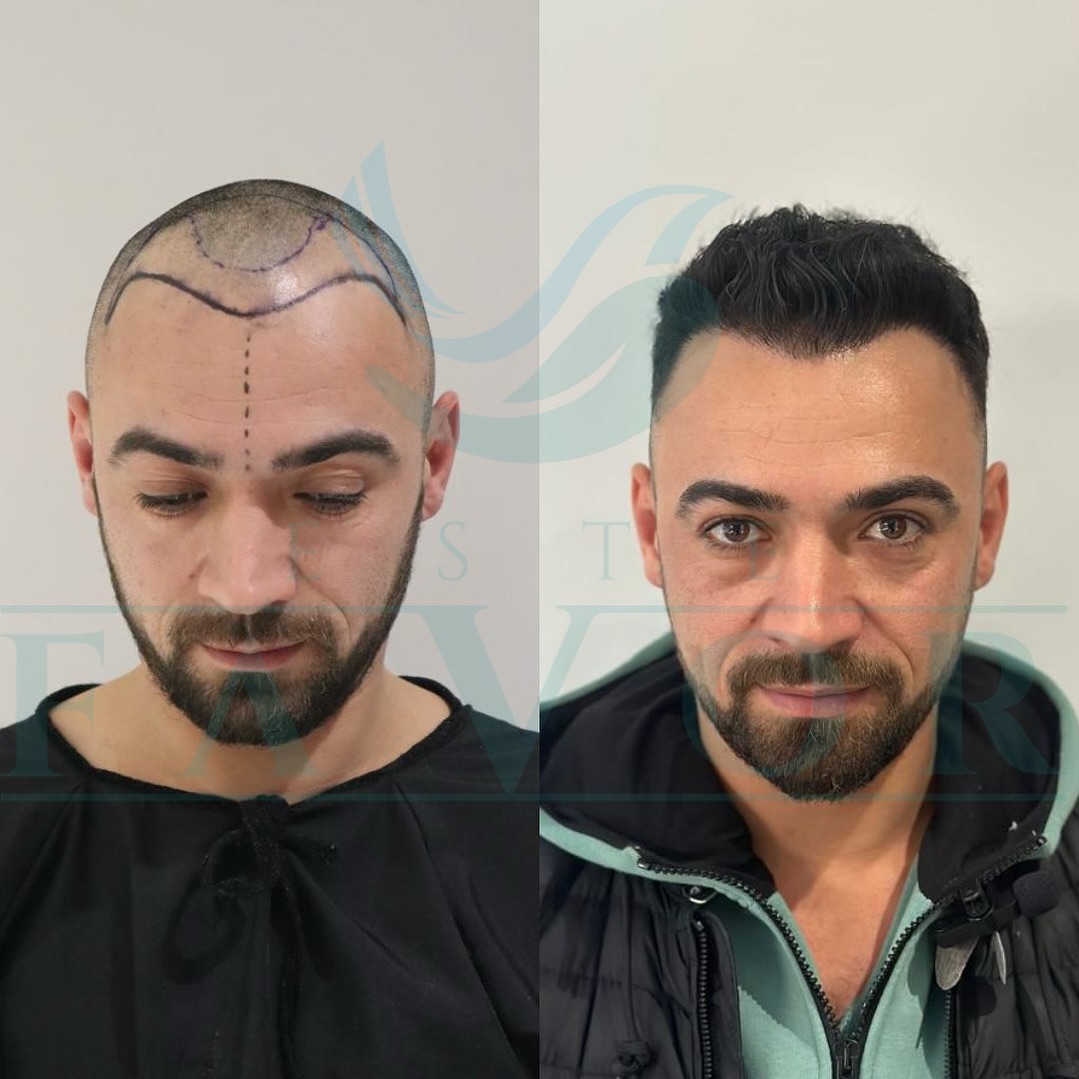
How to Choose the Most Suitable Hair Transplant in Turkey Package: A Comprehensive Guide

How to Choose the Best Hair Transplant Center in Turkey: 7 Essential Criteria

Hair Transplant Techniques: FUE, DHI, and Sapphire FUE Comparison in Turkey
Who Is Not Suitable For Hair Transplantation?
For a successful hair transplantation procedure, the hair strands in the donor area must be compatible with the strands in the implantation area. If they are not compatible in terms of thickness, structure, or growth pattern, the success rate of the transplant decreases significantly.
In addition, if blood tests performed before the operation reveal a blood-borne infectious disease, the hair transplantation procedure is typically not carried out. If the diagnosed condition is not life-threatening, the final decision is left to the physician’s discretion after evaluating all risks.
In general, hair transplantation is not recommended or not performed for individuals with the following health conditions:
-
Individuals with Hepatitis C,
-
Individuals with HIV / AIDS,
-
Patients with pseudopelade or lichen planus,
-
Individuals who have undergone three or more unsuccessful hair transplant procedures,
-
Individuals with chronic scalp disorders that prevent healthy hair growth.
These conditions either reduce the success rate of the procedure or increase the risk of complications.
What are the Side Effects and Negative Aspects of Hair Transplantation in Men?
Hair transplantation in men is performed using modern techniques, achieving a success rate of 99% to 100%. At EsteFavor, we ensure maximum graft retention and closely monitor our patients throughout the entire recovery process to guarantee the healthiest and safest outcome.
In some cases, a minor incision scar may occur depending on the method and the patient’s skin structure. However, an experienced surgeon can carefully plan the incision zones to make sure any potential scar remains hidden under the existing hair.
Hair transplantation performed under local anesthesia typically does not lead to serious side effects. After the operation, temporary bruising, crusting, redness, or a slight increase in temperature may be observed in both the recipient and donor areas. These are completely normal reactions and part of the natural healing process. Your doctor will prescribe suitable ointments or lotions to help you overcome these short-term discomforts quickly and comfortably.
What is The Cost Of Hair Transplant in Men?
Hair transplant prices for men may vary based on the number of grafts required for hair transplantation and the method of hair transplantation to be used. It depends entirely on your hair analysis. Do not forget to call the EsteFavor to get a quote that will suit you, to plan the hair transplant process with your doctor, and to make an appointment.
Hair Transplant
All Included Package 1
$
4500 USD
-
3 Nights Hotel Accommodation
-
Airport VIP Taxi
-
Sapphire / DHI
-
Maximum Grafts
-
Painless Anesthesia / Comfortfree Method
-
Medicines All You Need (5 Kind)
-
Laboratary Tests
-
PRP And Mesotherapy
-
Hair Care Set for 1 month
-
Medical Pillow
-
Translator 7/24
-
Vitamine Set
-
Health Consultancy For 1 Year
Click Here For Offers
No extra Payment
Popular
Hair Transplant
Package 2
$
2500 USD
-
Sapphire / DHI
-
Maximum Grafts
-
Painless Anesthesia / Comfortfree Method
-
Medicines All You Need (5 Kind)
-
Laboratary Tests
-
PRP And Mesotherapy
-
Hair Care Set for 1 month
-
Medical Pillow
-
Translator 7/24
-
Vitamine Set
-
Health Consultancy For 1 Year
Click Here For Offers
No extra Payment
Popular
Get Your Free Hair Transplant Analysis Now!
Discover how many grafts you need, learn the most suitable technique for your hair type, and receive a personalized treatment plan from our specialists — completely free.
Start your analysis today and take the first step toward your new look!